Showing posts with label Thanksgiving. Show all posts

Friday, November 21, 2025

Gardening for Gratitude: Finding Thanks in the Quiet Season


As the garden quiets under the soft gray skies of November, it offers something that can be easy to overlook in the rush of planting and harvesting: time to reflect. Gardening connects us — not only to the soil beneath our feet, but also to the broader rhythm of community and care. When the growing slows, gratitude has space to grow.

Gratitude for the Living Soil

Beneath every patch of mulch and layer of fallen leaves, the soil is still very much alive. Even as the air cools, countless microbes, fungi, and invertebrates continue the slow work of breaking down organic matter and returning nutrients to the earth. Taking a moment to appreciate that unseen activity reminds us that rest and renewal are part of the same cycle.

A gardener’s gratitude can begin here: for healthy soil, for the worms and fungi that enrich it, and for the patience it teaches us every season.

Gratitude for Stewardship

Gardening teaches humility — we don’t control nature; we collaborate with it.
By planting with purpose, conserving water, or leaving seed heads for birds and beneficial insects, we practice gratitude through action. Even when the garden sleeps, these small choices continue to support life through winter.

Our gratitude deepens when we recognize that every act of care — composting, conserving, or simply noticing — sustains the living systems that sustain us.

Gratitude for Community

As the garden settles into its winter rest, many of us find ourselves with a little more time — time we once spent watering, weeding, or harvesting. November offers the chance to turn that energy outward, to nurture something beyond our own backyards.

Gratitude can take root in new places when we lend a hand in our communities. Local food banks, shelters, and meal programs need extra help during the colder months. Animal rescues, libraries, and senior centers often welcome volunteers, too. Even small acts — checking in on a neighbor, raking leaves for someone who can’t, or donating fresh produce or canned goods — remind us that the spirit of gardening is really about growing connection and care.

Just as we tend the soil to nourish life, volunteering tends the human side of our shared landscape. Every small kindness enriches the place we all call home.

Gratitude for the Seasons of Rest

It’s tempting to see November as an ending, but the garden’s dormancy is its own kind of beginning.
The leaves that fall become next year’s humus. The perennials that fade prepare their roots for renewal. And we, too, can slow down, take stock, and dream ahead — not with urgency, but with appreciation for all the quiet work that happens unseen.

Taking It Forward

As you plan for the next season, maybe start your list with thanks:

To the soil that fed your garden.

To the pollinators and wildlife who share our spaces.

To the neighbors and volunteers who strengthen our communities.

And to the cycle of growth, rest, and renewal that continues, year after year.


Gratitude, like compost, deepens the more you turn it.

Friday, November 22, 2024

The Harvest Gathering: A Thanksgiving Story

As the crisp autumn air settles in, many find themselves preparing for one of the most recognized holidays: Thanksgiving. This holiday has roots that trace back to a moment in 1621 when the Pilgrims and the Wampanoag people came together in a spirit of cooperation and shared survival—an important interaction between two cultures.

The Arrival of the Pilgrims

In 1620, the Pilgrims arrived on the shores of what is now Plymouth, Massachusetts, seeking a new life away from religious persecution. Their first winter was harsh, and many suffered from hunger and illness. Their future seemed uncertain until they encountered the Wampanoag people, who had lived in harmony with the land for generations.

The Wampanoag Way: Masters of Agriculture

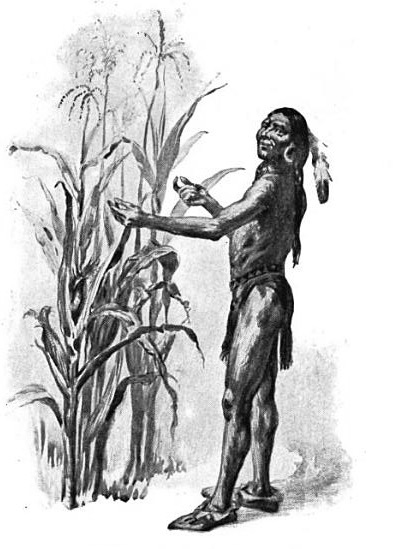
The Wampanoag were not just skilled hunters and gatherers; they were also masters of agriculture. Their deep understanding of the local ecosystem allowed them to cultivate a variety of crops that thrived in the New England climate. Among their most treasured crops was corn, or maize, which was central to their diet and culture.

  • Corn: The Wampanoag grew various strains of corn, including flint corn, known for its hard outer shell. This staple food was often ground into meal for bread or  porridge, providing essential nourishment.

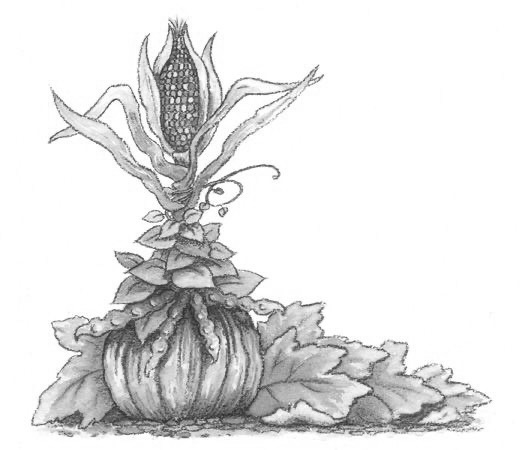
  • The Three Sisters: A hallmark of Wampanoag agriculture was the practice of companion planting, particularly the cultivation of the "Three Sisters"—corn, beans, and squash. This method involved planting corn as the tallest plant, providing a structure for the climbing beans. The beans enriched the soil with nitrogen, while the broad leaves of squash helped retain moisture and suppress weeds. This sustainable approach demonstrated a deep respect for the land.

Seasonal Cycles and Land Management

The Wampanoag followed a seasonal agricultural calendar closely tied to nature. Planting typically began in the spring, often aligned with the lunar cycle, and harvesting took place in the fall. They understood the timing for planting different crops to ensure a successful yield.

Their land management techniques included crop rotation and controlled burns, which cleared fields and enriched the soil. These practices maintained the fertility of their land and encouraged biodiversity, allowing them to thrive in a challenging environment. 

A Gathering in 1621

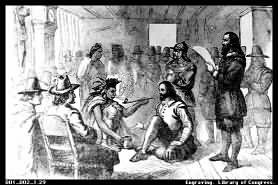
After a successful harvest in the fall of 1621, the Pilgrims and Wampanoag came together for a three-day feast, often referred to as the first Thanksgiving. This gathering included roasted fowl, likely wild turkey or ducks, venison, alongside steaming pots of corn and perhaps a rich squash dish. While there might not have been pumpkin pie as we know it today, there were certainly pumpkins, which could have been turned into a savory pudding or soup.

The gathering was significant not only for the food but also for the strengthening of relationships. For the Pilgrims, it was a chance to acknowledge the assistance of their Indigenous neighbors. For the Wampanoag, it was an opportunity to reinforce diplomatic ties and share in the bounty of the land.

A Shared Legacy

The Thanksgiving feast symbolizes cooperation and the complexities of cultural exchange. As we think about this gathering today, it’s essential to recognize the relationships that shaped this moment. Many Indigenous peoples view Thanksgiving as a time for reflection, honoring their ancestors and the history that preceded European colonization.

Conclusion

As you prepare your Thanksgiving meal this year, consider the shared legacy that connects us all. From the corn nurtured by the Wampanoag to the agricultural practices passed down through generations, this holiday invites us to reflect on the importance of community and understanding.