Showing posts with label simple landscape design. Show all posts

Friday, September 13, 2024

Gardening - Art or Science?

Gardening is a fascinating blend of art and science, combining elements of both in a way that makes it uniquely compelling. On the scientific side, gardening involves an understanding of plant biology, soil chemistry, and environmental conditions. Gardeners need to grasp how plants grow and what they need to thrive—such as the right balance of water, light, and nutrients. Soil health is a critical aspect; knowing its pH level and nutrient content helps in choosing the correct fertilizers and amendments. Understanding plant life cycles, pest management, and climate patterns also plays a vital role in ensuring a garden’s success. For instance, selecting plants that are well-suited to local weather conditions and soil types can make a significant difference in their health and productivity.

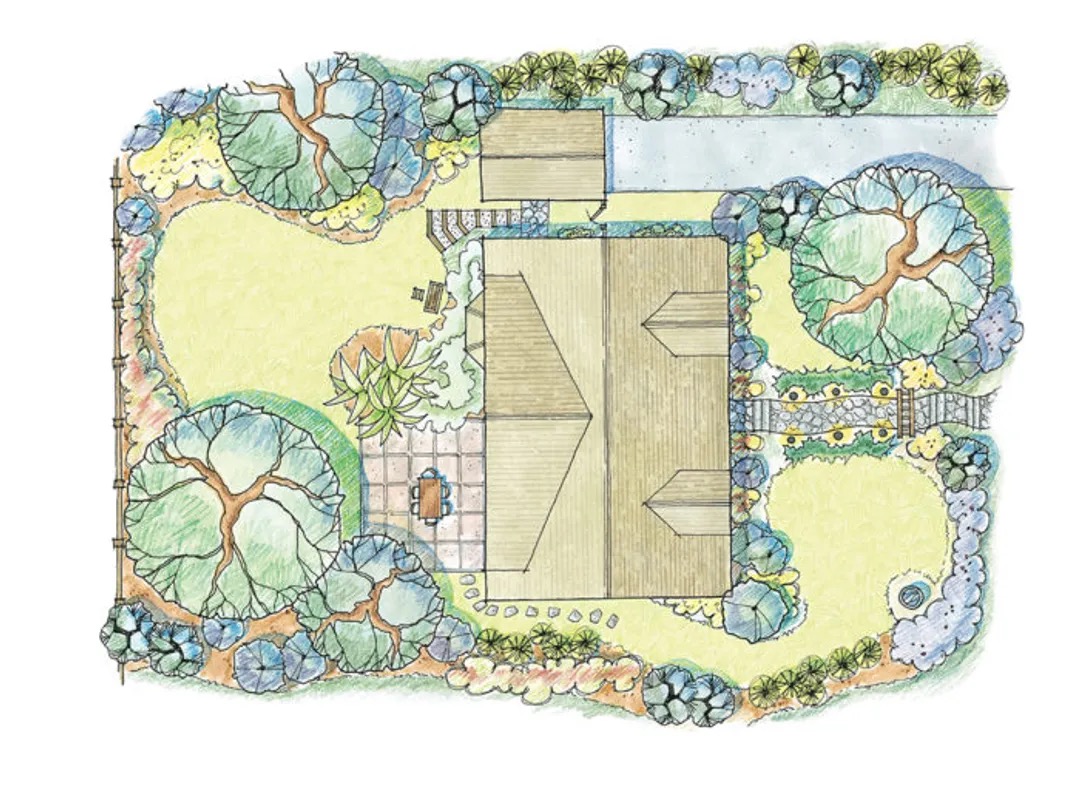
But gardening isn’t just about science. It also has a strong artistic component. Many gardeners view their gardens as living canvases where they can express creativity and design skills. Garden design involves more than just planting seeds; it’s about creating a visually appealing and harmonious space. This includes choosing plants with a variety of colors, shapes, and textures and arranging them in a way that pleases the eye. Artistic principles such as balance, proportion, and unity are applied to ensure that the garden is not only functional but also beautiful. Gardeners might design pathways, select garden furniture, and incorporate decorative elements like sculptures or water features to enhance the overall aesthetic.

Moreover, gardening has a personal and emotional dimension. Creating a garden can be a deeply rewarding experience, providing a way to connect with nature and express oneself. Many find that tending to a garden is therapeutic, offering a peaceful retreat from the stresses of everyday life. The satisfaction of watching plants grow and thrive as a result of one’s efforts adds a sense of accomplishment and joy.
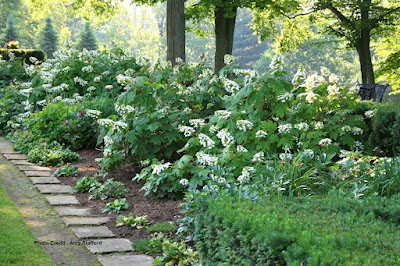
Gardening also contributes positively to the ecology. By cultivating a garden, gardeners support local biodiversity and create habitats for beneficial insects, birds, and other wildlife. Sustainable gardening practices, such as using native plants and reducing chemical inputs, can help conserve resources and protect the environment. Gardens can also play a role in improving air and soil quality, managing stormwater, and reducing the urban heat island effect. In essence, gardening is a harmonious blend of science and art. The scientific knowledge helps ensure plants grow well and the garden remains healthy, while the artistic touch brings beauty and personality to the space. This combination makes gardening a rich, multifaceted activity that offers both practical benefits and creative fulfillment. Whether meticulously planning the layout or simply enjoying the results, gardening allows for a unique mix of technical skill and personal expression, making it a deeply satisfying and enriching experience.

Friday, January 5, 2024

Winter: The best time to ponder the bones of your yard & garden

Are you thinking of creating or converting to a backyard forest garden?
Here's a bridge over a dry river rock bed that flows through a wildlife area - even in a small yard!  
With the leaves on deciduous plants gone, you can see where you need structure, where you could plant evergreens, and where you need to prune. Here are 10 suggestions. 

You also now have the time out from planting and harvesting when you can think about building structures, such as walkways, decks, raised beds, trellis/gazebos, or seating areas. Oh so much fun!!!

Dr. Douglas W. Tallamy has written a seminal book, Bringing Nature Home, on how to plan for the best ecosystem in your own yard. He has followed it with a second book, Nature's Best Hope, outlining how we can help grassroots conservation with native plants! While he is from the NE USA, his ideas are applicable here. This is the time..."one yard at a time!"  Note the brush pile in the back corner - the quail and others love it for shelter from predators and weather!

Our winter sunshine is a plus in this, as you can get outside even in January and February to mess with lumber, edging or stepping stones (unless the snow hits). 

Go out and stare at your gardening space and draw a map of what is already there. Consider what you’d like to keep and what isn’t working. Refer to your garden journal for successes and failures.

Envision what you’d like to see there and draw it in on your map.

Dream on about your 2024 yard and garden!

Sunday, December 25, 2022

Winter: The best time to ponder the bones of your yard & garden

Are you thinking of creating or converting to a backyard forest garden? Here's a bridge over a dry river rock bed that flows through a wildlife area - even in a small yard! 
With the leaves on deciduous plants gone, you can see where you need structure, where you could plant evergreens, and where you need to prune. Here are 10 suggestions. 
You also now have the time out from planting and harvesting when you can think about building structures, such as walkways, decks, raised beds, trellis/gazebos, or seating areas. Oh so much fun!!!

Dr. Douglas W. Tallamy has written a seminal book, Bringing Nature Home, on how to plan for the best ecosystem in your own yard. He has followed it with a second book, Nature's Best Hope, outlining how we can help grassroots conservation with native plants! While he is from the NE USA, his ideas are applicable here. This is the time..."one yard at a time!" 

Our winter sunshine is a plus in this, as you can get outside even in January and February to mess with lumber, edging or stepping stones (unless the snow hits). 
Go out and stare at your gardening space and draw a map of what is already there. 
Consider what you’d like to keep and what isn’t working. Refer to your garden journal for successes and failures.

Envision what you’d like to see there and draw it in on your map.

Dream on about your 2023 yard and garden!

Monday, December 28, 2020

Winter: The best time to ponder the bones of your yard & garden - old

With the leaves on deciduous plants gone, you can see where you need structure, where you need evergreens and where you need to prune. Here's 10 suggestions. 
You also have time out from planting and harvesting when you can think about building structures, such as walkways, decks, raised beds, trellis/gazebos, or seating areas. 
Are you thinking of creating or converting to a backyard forest garden. Here's a bridge over a dry river rock bed that flows through a wildlife area...even in a small yard! 

Dr. Douglas W. Tallamy has written a seminal book, Bringing Nature Home, on how to plan for the best ecosystem in your own yard. He has followed it with a second book, Nature's Best Hope, outlining how we can help grassroots conservation with native plants! While he is from the NE USA, his ideas are applicable here. This is the time..."one yard at a time!" 

Our winter sunshine is a plus in this, as you can get outside even in January and February to mess with lumber, edging or stepping stones (unless the snow hits). 

Go out and stare at your gardening space and draw a map of what is already there.

Consider what you’d like to keep and what isn’t working. Refer to your garden journal for successes and failures.
  • Envision what you’d like to see there and draw it in on your map. 
  • Draw a plan for how to build what your mind’s eye sees and make a materials list. Watch this video for a simple plan. 
  • Gather the materials and get started. 
  • Then, any day that’s warm enough to work, you’re ready.