My neighbor showed up on my doorstep, panicked about his pine tree. He brought a picture which showed needles changing color and falling off. What was wrong with the tree, was it dying? Looks scary, huh?
´Twas the night before Christmas,
And all through the yard
The branches were bare
And the ground frozen hard;
The roses were dormant
And mulched all around
To protect them from damage
If frost heaves the ground;
The perennials were nestled
All snug in their beds,
While visions of fertilizer
Danced in their heads;
The newly planted shrubs
Had been soaked by a hose
To settle their roots
For a long winter’s doze;
And out on the lawn
The new fallen snow
Protected the roots
Of the grasses below;
When, what to my wondering
Eyes should appear,
But a sleigh full of gifts
Of gardening gear;
St. Nick was the driver
A jolly old elf,
And he winked as he said,
“I’m a gardener myself.
I’ve brought new seeds
And light systems, too,
Give them a try
And see how they do.
To eliminate weeding,
I brought bags of mulch
To attract the pollinators,
I have flowers for best results.
To add to your joy,
I’ve plenty of herbs
And ornamental grasses
For your hell strip curb.
For seed planting days,
I’ve a trowel and dibble.
And a roll of wire mesh,
If the rabbits should nibble.
I have the latest books
Plus some gadgets you’ll love;
Plant stakes and frames,
And waterproof gloves.
Here are sharp shears
And a new compost pit
And, for pH detecting,
A soil testing kit.
With these colorful flagstones,
Lay a new garden path.
For the view from your window,
A bird feeder and bath.
And last but not least,
Some well-rotted manure.
A green garden year-round,
These gifts will ensure.
Then, jolly St. Nick
Having emptied his load,
Jumped in the seat
And took to the road.
And I heard him exclaim
Through the nights quiet hum,
“Merry Christmas to all,
And to all a green thumb!”
I read an old version of A Gardener’s Christmas in the Garden Club of Virginia’s December Journal.
the author is unknown so I took a few liberties. Merry Christmas!
As the chill of autumn settles in, it’s crucial to understand the differences between frost, freeze, and hard freeze to protect your precious plants. Here’s a quick breakdown:
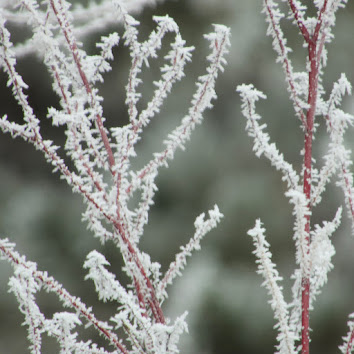
Frost: The Sneaky Chill - Frost appears when water vapor in the air deposits as ice on solid surfaces. This typically happens when temperatures dip between 33°F and 36°F, especially with light winds. While frost may only cause minor damage, it’s important to note that if the air is dry or the winds are strong, frost can be unpredictable.
Freeze: The Serious Threat - A freeze occurs when temperatures drop to 32°F or lower. This can lead to significant damage for many unprotected plants, especially if the freeze lingers for several hours.
Hard Freeze: The Plant Killer - When temperatures plunge to 28°F or lower for a few hours, we experience a hard freeze. Unfortunately, this often means the end for many plants and seasonal vegetation.
Expert Insight: Mark Longstroth from Michigan State University Extension explains it clearly: “A frost is when you see a visible layer of ice, while a freeze is simply when temperatures drop below freezing.” Sometimes, you might even spot frost while the air remains above freezing due to colder surfaces, like your car or roof.
Special Cases
Black Frost: This occurs when temperatures drop low enough to freeze plants without visible frost. Frozen plants can take on a sad, water-soaked black appearance as they perish.
Wind Freeze: A cold air mass can sweep in, causing temperatures to plummet, even with winds at play.
Protect Your Plants! Want to give your garden the best chance to survive the upcoming frosty nights? Here are some simple steps you can take:
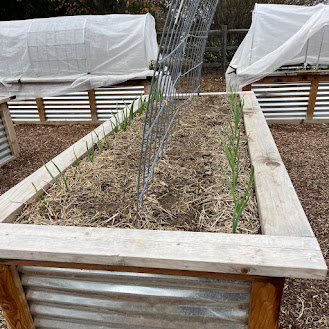
Cover Up: Use frost fabric, sheets, or plastic to shield your plants.
Water Wisely: Give your plants a drink with warm water to help them stay resilient.
Trickle Effect: Let water run at a gentle trickle for a few days to maintain moisture—just don’t overdo it!
Wrap Young Trees: Wrapping young tree trunks helps insulate them against cold temperatures, preventing freeze damage and maintaining healthier bark during harsh winter conditions.
Pots: To overwinter potted plants, move them indoors to a cool, bright location or use a cold frame for protection. Insulate pots with mulch or wraps, group them together for a microclimate, and remember to adjust your watering schedule to prevent rot during the colder months.
For specific timing, check the Idaho Average First Frost Date Map for accurate information tailored to your county.
By taking these steps, you can help your plants brave the chilly weather and thrive until spring returns. Protect your green friends, and enjoy a flourishing garden year-round!
![]() |
| Photo Credit - Alan Bergo |
You probably have seen bean and alfalfa sprouts in the
grocery store and thought how can I grow my own and is it hard? The answer to these questions is yes you can
grow sprouts and no it is not hard. Doesn't this sandwich look better with sprouts?
Step 3: Follow the instructions. On the back of the Johnny Seed package are the instructions on how to start.
In about 3 days you’ll have sprouts. There are several sources for how
to produce sprouts. Here's a guide from the University of Nebraska Extension. Further, you can purchase books on line. One source which has proven instructive is Sprout Garden by Mark Mathew Braunstein.
Depending on the type of seed, you may need to expose them
to light after fully sprouted. An
important note for rinsing, sprouting and greening is to pay attention to the
temperatures of the water and the room environment. The links above and book mentioned provide
information on what is considered appropriate.
Now, happy sprouting!
We've had several questions about evergreens. Homeowners will often see their needles on evergreen trees turning brown and falling off in the late summer or fall and become alarmed. Needle drop on pine trees is a naturally occurring phenomena. If pine needles turn brown from the interior of the tree, and the outer needless stay green, there is no cause for alarm.
Occasionally, 'deciduous conifers' such as the bald cypress, larch, and dawn redwood are found in Idaho landscapes. These conifers all lose their needles every autumn, to be replaced the following spring. Don't lose hope - it's normal!!!