Showing posts with label Idaho Native Plant Society. Show all posts

Friday, March 22, 2024

Adding Milkweed to your Landscape


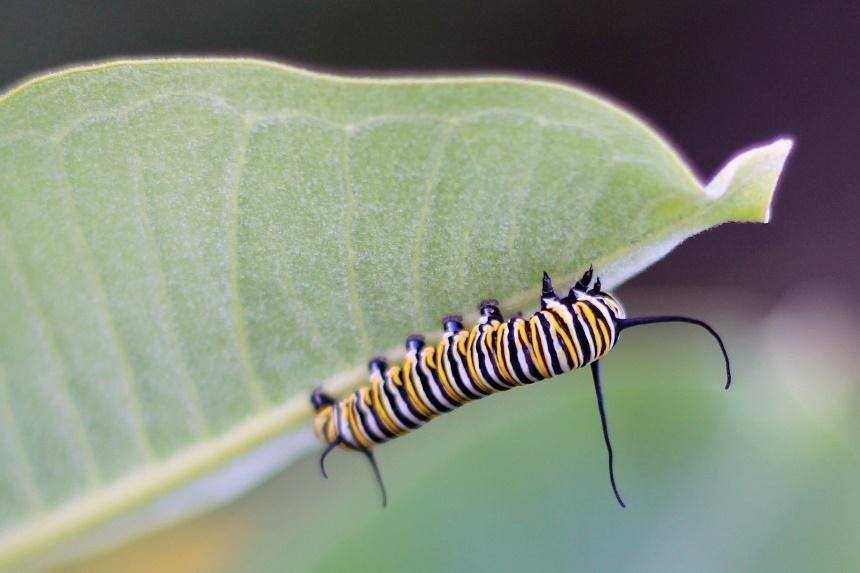
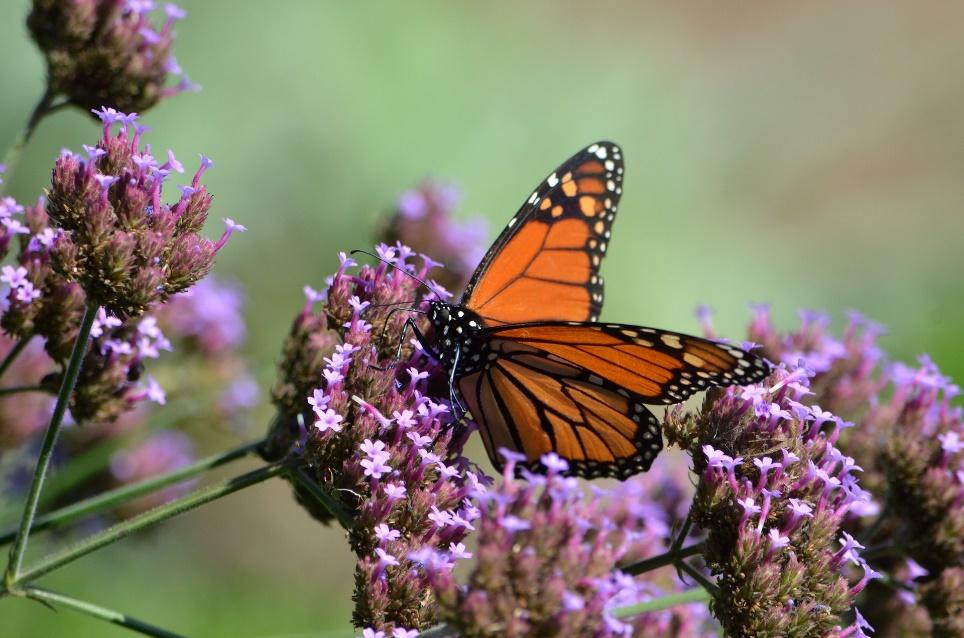
There was a time that it was common to see milkweed growing alongside ditch banks in the farming areas of Idaho. As housing developments replaced farm lands the ditch banks disappeared and the use of chemical agents became more common. You may ask, “Who cares?”  If the monarch butterfly could talk to us, you can be sure they would say that they care. Monarch butterfly larvae, or caterpillars, feed exclusively on milkweed leaves. Without the milkweed host plant the larvae are unable to develop into adult butterflies. 

Members of the community who enjoy the presence of butterflies and understand their value as pollinators also care. Recognizing a fall in the population the U.S.Fish and Wildlife Service applied for endangered species protection for the Monarch butterfly in 2014.

A large part of the effort to support monarch preservation is providing milkweed plants to replace those that have been lost in the environment. It is important to use milkweed native to the area in which you live. Milkweed creates toxins. Monarch butterflies have used these toxins to their benefit as anti-predator and anti-parasite defense. Milkweed plants that are not native to an area can contain larger amounts of the toxins and create harmful levels for the monarchs.

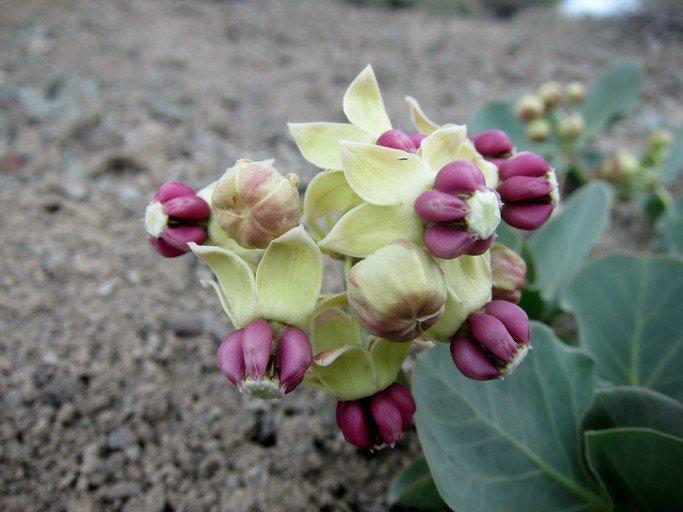
Antelope horn milkweed  (Asclepias asperula)  is found in southern Idaho, especially in the Preston area.


Pallid milkweed (Asclepias cryptoceras) is found on clay or gravelly soils in southwestern Idaho (Owyhees) to Utah.

Photo ©Luis Stevens


Narrow-leafed  or Mexican whorled milkweed  (Asclepias fascicularis) is found in Idaho’s western Panhandle. Very weedy.

Jennifer Anderson, hosted by the
 USDA-NRCS PLANTS Database


Swamp milkweed (Asclepias incarnata) is common in eastern U.S., also found in Idaho and in Utah.


Robert Tatina, hosted by the
 USDA-NRCS PLANTS


Showy milkweed (Asclepias speciosa) is Idaho's most common species. It grows up to 1 meter tall with fragrant flowers in late summer. The corona is in the shape of horns, and contains nectares. Each inflorescence usually grows only one follicle (seed pod).


Photo ©Al Schneider
Poison or Horsetail milkweed (Asclepias subverticillatais a weedy species with small white flowers and narrow leaves.

Seeds for most of these milkweed species can be found from seed vendors on-line. Milkweed seeds are wild seeds. They have evolved to thrive in a natural environment, not your backyard. The seeds  require conditions that mimic environmental conditions to germinate. The LadyBird Johnson Wildflower Center has developed and tested a protocol that results in good germination rates for native milkweed species. The process involves four steps that take 4 to 8 weeks to complete. So start now!

Recognizing the importance of the monarch butterfly, a partnership of federal and state agencies, non-governmental organizations, and academic programs, The Monarch Joint Venture, has been working to support the goals of North American Monarch Conservation Plan. They provide educational resources to the public about Monarchs and Milkweed.

MonarchWatch is another resource for the gardener interested in supporting and attracting pollinators. They offer guidelines for gardening methods that support Monarch butterflies and offer Monarch Waystation designation when their guidelines are followed.

The addition of milkweed to the milkweed to the environment around your home will provide needed host plants for Monarch butterflies. When nectar producing plants are also added your landscape can attract a variety of pollinators. Successful gardening is a partnership. The gardener provides the plants needed by the pollinators to survive and the pollinators give the gardener new seeds to continue the process.

Sunday, April 4, 2021

Why Gardening with Native Plants matter.

 Native plants provide many benefits to people and wildlife, while significantly adding to healthier soil and water.  Of the many benefits, my top six motivations for landscaping with native plants include: fewer fertilizers, pesticides, herbicides, and water. Plus, indigenous plants promote cleaner air, food, and shelter for wildlife, and they have proven to save money in many ways.


Excess phosphorus and nitrogen, main components of fertilizers added to our soil become toxic, and the runoff leaches into our waterways, causing excess algae growth. This surplus fertilizer depletes oxygen from our waters, harms aquatic life, and interferes with recreational uses.  Pesticide and herbicide runoff from lawns can contaminate our rivers and lakes with poisonous substances. Native plants have deeper roots and require less water.


As to cleaner air, our native landscapes do not require mowing, and they do not need nearly as much maintenance.  Lawns must be regularly mowed, weed-whacked, and often blown with leaf blowers.  These tools cause harmful emissions and air pollutants like carbon monoxide, carbon dioxide, nitrous oxides, sulfur dioxide, volatile organic compounds, and air toxins like benzene and particulates created from power tools. 


Our native plants attract a variety of birds, butterflies, and other wildlife by providing diverse habitats, food, and pollinator sources. In contrast, non-native plants offer little or no food or shelter to most native wildlife.


Essential to many home gardeners is the need to save time and money.  When compared to the high-maintenance of lawns and the added care necessary for exotic plants, it is easy to measure the economic benefits of landscaping with native plants.  Planting with selective native plants can create a beautiful and scenic landscape.


References that were used in creating this article.

It is easier to list them here for your use than to insert them into the text, this way you can choose which one you want to follow.

University of Idaho Extension | Short-Season, High-Altitude Gardening

http://www.extension.uidaho.edu/publishing/pdf/BUL/BUL0862.pdf 


Idaho Native Plant Society | Boise Area Native Plants Local Chapter: Pahove.  http://www.idahonativeplants.org


U.S. Fish and Wildlife Service | Native Garden Guide for Southwestern Idaho.

http://www.fws.gov/pacific/pdf/BLM_USFWS_Native%20Garden%20Guide_SW%20Idaho_2019_web.pdf


U.S. Forest Service | Basic Instructions for Native Plant Landscaping Projects.

https://www.fs.fed.us/wildflowers/Native_Plant_Materials/Native_Gardening/instructions.shtml


East Multnomah Soil & Water Conservation District (EMSWCD) Portland, OR.
emswcd.org select ‘Native Plants’

Pictures from the Idaho Native Plant Society and College of Agricultural and Life Sciences – University of Idaho


Sunday, March 31, 2019

Adding Milkweed to Your Landscape


There was a time that it was common to see milkweed growing alongside ditch banks in the farming areas of Idaho. As housing developments replaced farm lands the ditch banks disappeared and the use of chemical agents

became more common. You may ask, “Who cares?”  
If the monarch butterfly could talk to us you can be sure they would say that they care. Monarch butterfly larvae, or caterpillars, feed exclusively on milkweed leaves. Without the milkweed host plant the larvae are unable to develop into adult butterflies. 

Members of the community who enjoy the presence of butterflies and understand their value as pollinators also care. Recognizing a fall in the population the U.S.Fish and Wildlife Service applied for endangered species protection for the Monarch butterfly in 2014.

A large part of the effort to support monarch preservation is providing milkweed plants to replace those that have been lost in the environment. It is important to use milkweed native to the area in which you live. Milkweed creates toxins. Monarch butterflies have used these toxins to their benefit as anti-predator and anti-parasite defense. Milkweed plants that are not native to an area can contain larger amounts of the toxins and create harmful levels for the monarchs.


Patrick J. Alexander, hosted by the USDA-
NRCS PLANTS Database
Antelope horn milkweed  (Asclepias asperula)  is found in southern Idaho, especially in the Preston area.


Pallid milkweed (Asclepias cryptoceras) is found on clay or gravelly soils in southwestern Idaho (Owyhees) to Utah.

Photo ©Luis Stevens


Narrow-leafed  or Mexican whorled milkweed  (Asclepias fascicularis) is found in Idaho’s western Panhandle. Very weedy.
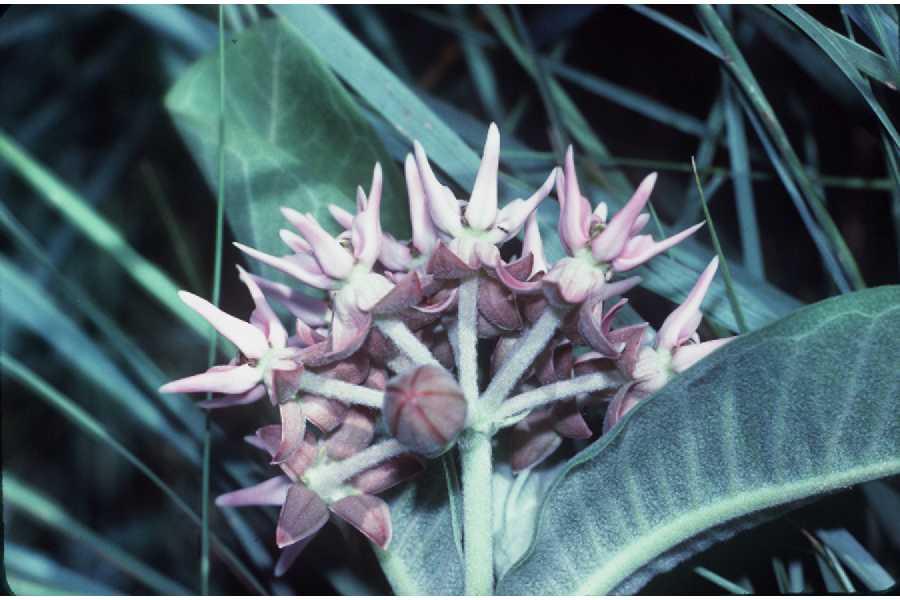
Jennifer Anderson, hosted by the
 USDA-NRCS PLANTS Database


Swamp milkweed (Asclepias incarnata) is common in eastern U.S., also found in Idaho and in Utah.


Robert Tatina, hosted by the
 USDA-NRCS PLANTS


Showy milkweed (Asclepias speciosa) is Idaho's most common species. It grows up to 1 meter tall with fragrant flowers in late summer. The corona is in the shape of horns, and contains nectares. Each inflorescence usually grows only one follicle (seed pod).
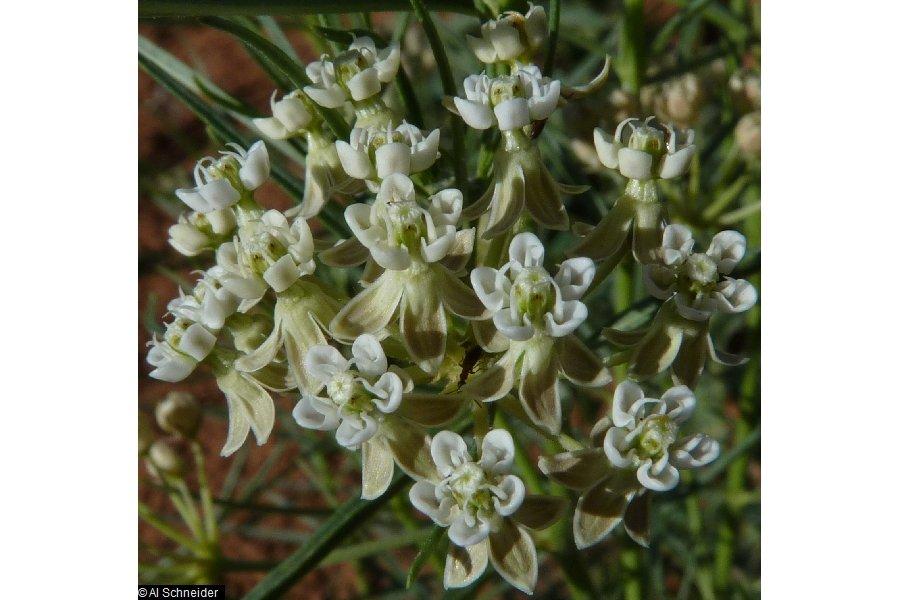

Photo ©Al Schneider


Poison or Horsetail milkweed (Asclepias subverticillata) is a weedy species with small white flowers and narrow leaves.

Seeds for most of these milkweed species can be found from seed vendors on-line. Milkweed seeds are wild seeds. They have evolved to thrive in a natural environment, not your backyard. The seeds  require conditions that mimic environmental conditions to germinate. The LadyBird Johnson Wildflower Center has developed and tested a protocol that results in good germination rates for native milkweed species. The process involves four steps that take 4 to 8 weeks to complete. So start now!

Recognizing the importance of the monarch butterfly, a partnership of federal and state agencies, non-governmental organizations, and academic programs, The Monarch Joint Venture, has been working to support the goals of North American Monarch Conservation Plan. They provide educational resources to the public about Monarchs and Milkweed.

MonarchWatch is another resource for the gardener interested in supporting and attracting pollinators. They offer guidelines for gardening methods that support Monarch butterflies and offer Monarch Waystation designation when their guidelines are followed.

The addition of milkweed to the milkweed to the environment around your home will provide needed host plants for Monarch butterflies. When nectar producing plants are also added your landscape can attract a variety of pollinators. Successful gardening is a partnership. The gardener provides the plants needed by the pollinators to survive and the pollinators give the gardener new seeds to continue the process.