Showing posts with label pumpkins. Show all posts

Sunday, October 26, 2025

Pumpkin Rescue: Creative Ways to Reuse or Recycle!


As Halloween and fall come to a close, many of us are left with an abundance of leftover pumpkins and seasonal decorations. Rather than
throwing them away, consider innovative ways to preserve what you can eat and give the rest a new purpose. Here are some clever ideas that not only help reduce waste but also dispel common pumpkin myths along the way.

Preserve What You Can Eat

One of the most rewarding ways to utilize your pumpkins is by preserving them for future meals. Fresh pumpkin can be roasted, pureed, or made into soups, pies, and other delicious dishes. If you have leftover pumpkin flesh, consider freezing it in portions. Just scoop out the insides, blend, and store in airtight containers or freezer bags.

However, be cautious: only use pumpkins that are fresh and free from mold or decay. Moldy or unsafe pumpkins can pose health risks, so ensure that any pumpkin you plan to eat is in good condition before using it.


Composting Fun
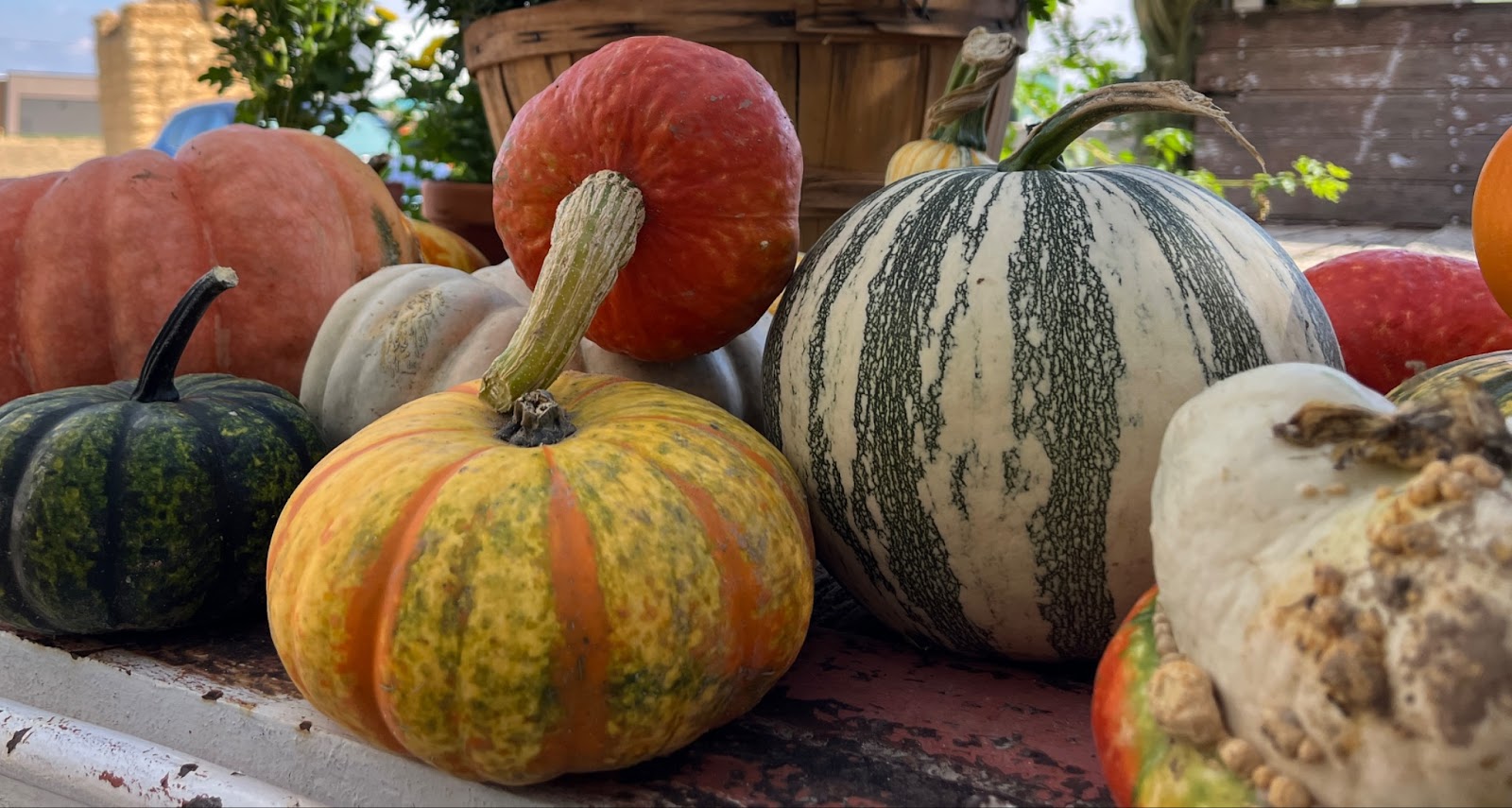
If you have leftover pumpkins that are no longer fit for consumption, composting is an excellent option. Pumpkins are biodegradable and rich in nutrients that can enhance your garden soil. Simply chop them into smaller pieces to expedite the composting process. Myth alert: Many people worry that adding pumpkins to compost will attract pests. In reality, balancing your compost with greens and browns can help prevent pest issues while creating nutrient-rich soil.

Feed Our Animal Friends

Consider donating your pumpkins to local farms or animal sanctuaries. Pigs, goats, and chickens relish pumpkin as a tasty and nutritious treat. Myth buster: There’s a common misconception that feeding animals pumpkin will make them sick. However, as long as the pumpkins are fresh and mold-free, they can be a healthy snack for livestock.


Get Crafty

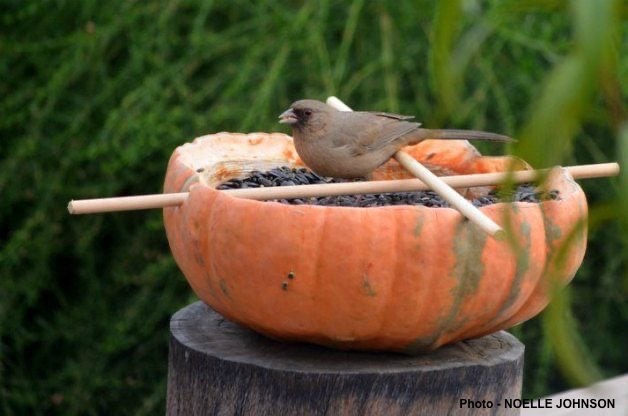
Before you toss out your seasonal decor, think about how you can upcycle those pumpkins! Transform them into charming planters, candle holders, or fun bird feeders. Hollow out the pumpkins, carve a design, and fill them with soil and seeds. Myth-buster: Some believe that you can’t plant pumpkin seeds after Halloween. Not true! You can clean and dry the seeds from your pumpkins and plant them next year.
Recycling

Boise residents are encouraged to place their pumpkins in their compost carts this season. The city’s Compost Facility appreciates pumpkins during this time, as the extra moisture and nutrients help break down leaves. Check with your local waste management or agricultural offices for recycling efforts available in your area.

Natural Decorations

To maintain the cozy fall ambiance, consider using natural decorations like dried flowers or pinecones that can also be composted later. These elements enhance your home’s warmth without adding to landfill waste. 

By embracing these creative solutions for leftover pumpkins and fall decor, you not only reduce waste but also enhance your culinary and gardening experiences. So, before you toss that pumpkin, remember: every gourd deserves a second chance!

Monday, September 22, 2025

Bringing the Fall Garden Into Your Home

Fall is a season when the garden gives us more than food — it also offers color, texture, and beauty to enjoy indoors. Pumpkins, gourds, leaves, seed pods, and even dried flowers can all be used in creative ways that celebrate the harvest while making good use of what we grow.

Pumpkins and Gourds Beyond the Jack-o-Lantern

Pumpkins are the stars of the season, but they’re not just for carving.

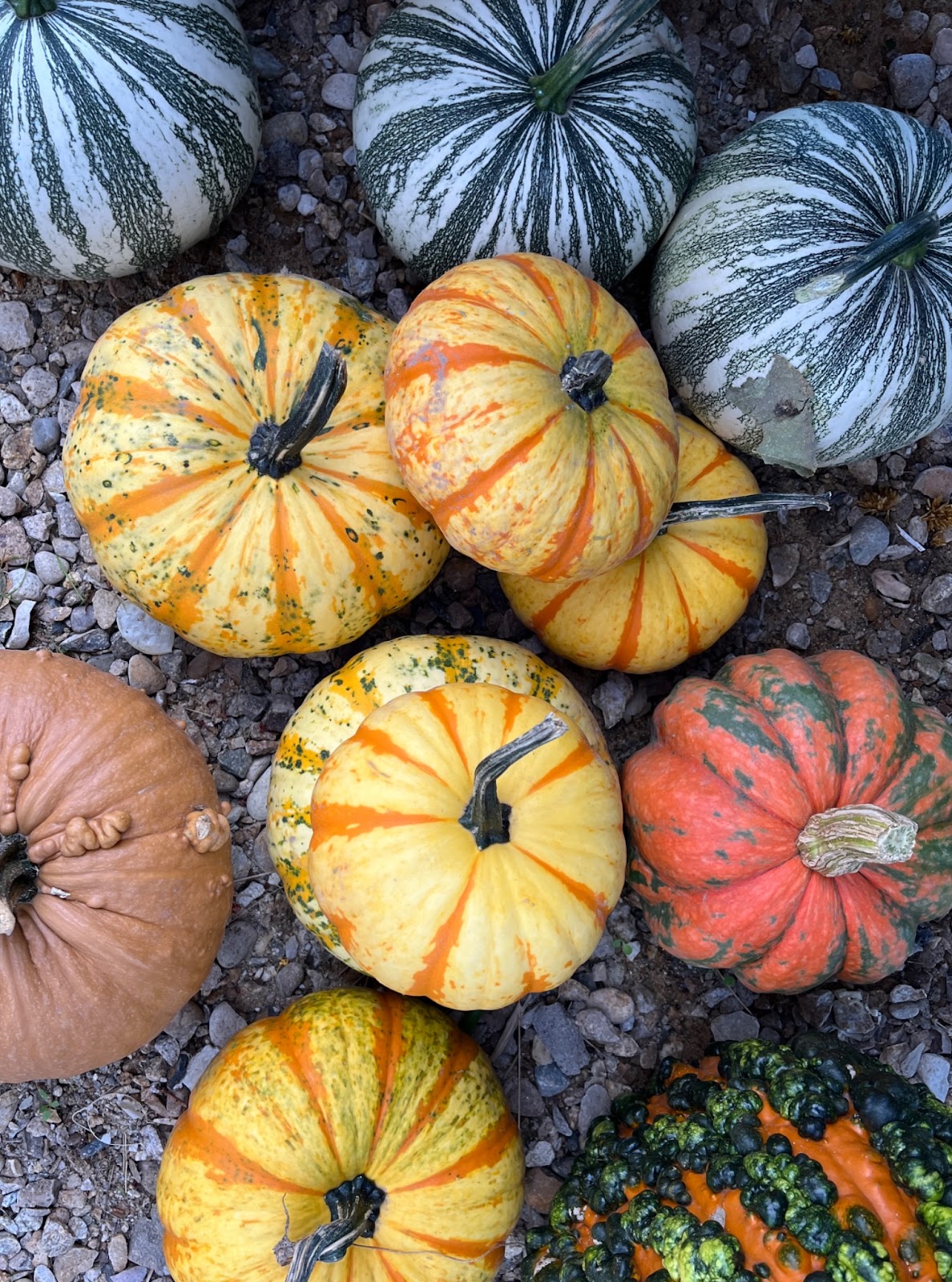
  • Table displays: Mini pumpkins and colorful gourds add natural charm to a centerpiece.

  • Serving dishes: Hollowed-out sugar pumpkins can hold soups, dips, or baked custards.

  • Long-lasting decoration: Wipe gourds and pumpkins with a mild bleach solution (1 part bleach to 10 parts water) to slow decay and extend their indoor life.

Many hard-shelled gourds can be dried and later crafted into birdhouses, bowls, or ornaments. This was once a traditional farm practice — practical and decorative.

Leaves and Seed Heads for Autumn Beauty

Raking piles of leaves is inevitable, but setting aside a few of the most colorful can bring the season indoors.

  • Pressed leaves: Layer between wax paper or in heavy books to create natural bookmarks or frameable art.

  • Wreaths and garlands: Combine bright leaves with acorns, pinecones, or crabapple branches.

  • Table scatter: Dried leaves, paired with seed heads from sunflowers or rudbeckia, make an easy seasonal accent.

Seed pods — like milkweed, poppy, or love-in-a-mist — can be dried and added to bouquets. Sunflower heads can be hung as bird feeders, doubling beauty with function.

Garden Herbs and Flowers in the Home

Fall is also a perfect time to bring herbs and late-blooming flowers indoors.

  • Dried herbs: Bundles of thyme, sage, or oregano not only flavor autumn cooking but also scent the kitchen.

  • Everlastings: Flowers like strawflower, statice, and globe amaranth hold their color when dried, brightening indoor arrangements.

  • Aromatic décor: Lavender stems, mint sprigs, or even fennel seed heads can be tied into small sachets or seasonal potpourri.

Fun for Families

Involving children or grandchildren adds joy to the season. Let kids paint pumpkins instead of carving for longer-lasting decorations. Press leaves into shapes for greeting cards. Fill clear jars with acorns, gourds, and berries for a simple, kid-friendly display. These projects connect younger gardeners to the rhythms of the season and show them that the garden’s value goes beyond the harvest basket.

Closing Thought 

Your fall garden is more than a place of work — it’s a source of beauty and creativity. Pumpkins, gourds, leaves, herbs, and seed heads can all be transformed into seasonal decorations that bring warmth into the home. With a little imagination, the bounty of the season will carry you indoors and brighten the darker months ahead.

Looking for Inspiration?


Friday, April 18, 2025

From Indoors to Outdoors: How to Start Melons, Squash, and Pumpkins for a Perfect Transplant

As winter fades and spring temperatures rise, mid-April is the ideal time to prepare for warm-season crops like squash, melons, and pumpkins. While it is still too early to plant them directly outdoors, taking steps now will ensure a strong start to the growing season.

Since squash, melons, and pumpkins thrive in warm soil (60–70°F), starting them indoors 3 to 4 weeks before your last frost date provides a head start. The University of Idaho Extension recommends this method to establish strong plants before transplanting.

These crops do not like their roots disturbed, so careful handling during transplanting is essential. To minimize stress, peat pots or other biodegradable containers are recommended.

Seed Starting Steps:

Containers: Peat pots or biodegradable pots reduce root disturbance during transplanting. If plastic containers are used, seedlings should be handled gently.
Soil: A light, well-draining seed-starting mix promotes healthy root development.
Temperature: Soil should be kept at 75–85°F for optimal germination. A heat mat can help maintain consistent warmth.
Lighting: Grow lights should be positioned 2–3 inches above seedlings for strong, compact growth.
Watering: Soil should remain moist but not soggy to prevent disease.

Seeds should be planted 1 inch deep, with 1–2 seeds per pot. Once seedlings emerge, thinning to one strong plant per pot will ensure healthy growth.

Preparing the Garden Bed

While seeds germinate indoors, garden beds should be prepared for transplanting in mid-to-late May. The University of Idaho’s vegetable gardening guide highlights the importance of well-drained, nutrient-rich soil and full sun exposure for these crops. 

Soil Preparation Steps:

✔ Remove weeds to prevent competition.
✔ Loosen soil and incorporate compost for improved fertility.
✔ Rake soil smooth and ensure good drainage.


Since squash, melons, and pumpkins are heavy feeders, preparing the soil early allows nutrients to integrate before transplanting.

Mulching Plan: A Natural Approach

Mulch helps retain moisture, suppress weeds, and regulate soil temperature while protecting delicate roots from disturbance. Consider using one or a combination of the following:

  • Compost (1–2 inches): Feeds soil and improves structure.
  • Shredded leaves or dried grass clippings (2 inches): Insulates and holds moisture.
  • Straw or hay (3 inches): Prevents rot by keeping fruit off the soil.

Choose the best option for your garden, or layer multiple types for added benefits.

Looking Ahead: Preparing for Transplanting

Since squash, melons, and pumpkins do not like their roots disturbed, extra care must be taken when transplanting. When moving plants outdoors, the entire peat pot should be planted directly into the soil to avoid disrupting the roots. If plastic trays were used, seedlings should be gently removed and transplanted with as much of their root system intact as possible.

A week before transplanting, seedlings should be hardened off by gradually introducing them to outdoor conditions, starting with a few hours each day in a sheltered location.

With seeds started indoors and garden beds prepared, everything will be in place for a successful growing season. Careful transplanting will ensure these plants establish quickly, leading to a productive harvest of squash, melons, and pumpkins by late summer.