It’s that wonderful time of year, when we are beyond the scorching hot days of our summer and we’ve settled into the 90s. This is also the time when tomatoes come on with a fury! If you’ve planted many varieties, as so many of us do, then it’s almost a sprint to keep up with the daily harvest. As an advanced Master Gardener and advanced Master Food Safety Advisor with the University of Idaho Extension program, I’m always looking for the quick and easy way to use what comes from my garden.
Monday, August 21, 2023
Roasted Tomato Sauce Preservation the EASY Way!
Friday, August 4, 2023
Let my kids help in the garden? Why not?
Give them a small piece of ground that is their own, along with gardening tools and gloves. Provide instruction on how to plant seeds and plants. Show them the flowers, bugs, worms, and growing plants. Let them dig a hole and plant something!Show your child the difference between weeds and plants, pull and cultivate weeds, water, fertilize and care for their plants. Don’t forget to show them the importance of bugs in the ecology of gardening. Observe the bees and teach them about making honey and pollination of plants.
Kids who participated in gardening projects scored higher in science achievement than those who did not. Seeing a garden grow may spark your kids to ask questions like: Why do the plants need sun? How does the plant “drink” water? Why are worms good for the plants? Why are spiders needed in the garden? The questions your kids will ask will provide plenty of subjects for discussion.
Friday, July 21, 2023
Why do we have so many earwigs this year?
How to identify good earwigs from bad earwigs.
They are all the same so to speak. They are opportunistic eaters. They live on dead decaying matter, eat aphids and other small prey and love young growth of certain plants, like Marigolds. This is shown in the picture with all the cans full of earwigs and decimated marigold plants. The shallow cans were placed next to plants that the earwigs thought were the most tasty.Simple home remedies can be used to lower the earwigs population. There are quite a few methods you can use depending on your preference and patience. I prefer a little beer in a small cat food can but there other preparations you can put in the cans. Since they prowl at night, they hide during the day. Place burlap bags, boards, newspapers or other materials on the ground, then daily collect individuals that congregate under the cover and discard.
Predatory insects help control the earwigs. Believe it or not, there are other insects and animals that prey on the earwigs. Since the earwigs are nocturnal, hungry birds have to hunt them out in their hiding places during the day. Evening birds and amphibians will be able to find them out and about in the duff on their favorite plants. Knowing the life cycle will help you manage earwigs!
Saturday, July 15, 2023
Bindweed - Beauty or Pest?
| (Convolvulus arvensis, origins from Eurasia) |
Biological- The bindweed mite, Aceria malherbae, is a microscopic mite that feeds on field bindweed. This process is being tried but takes years to see results.
Friday, July 7, 2023
Grow a Tea Garden for Year-Round Tea
Lavender (Lavendula angustifolia): (Buds are used for tea.) Lavender is fairly simple to care for, can provide a beautiful addition to your landscape, and attract beneficial pollinators. English lavender is cold hard to Zone 5, can bloom twice in a single season, and is considered drought tolerant. Preferring full sun and alkaline soils, lavender needs to be pruned annually after the plant has been established. The plants have very few pests or disease problems. However, they can be susceptible to soil diseases such as Phytophthora, so it is important to water carefully and not create standing water around the plant. Harvest the flowers and buds for drying when they are one-third to fully open and hang them in a cool, airy, shaded room. To make a relaxing lavender tea, combine hot water with fresh or dried buds, then steep until you reach your desired flavor. For a bit of sweetness, add a few drops of honey.
Mint (Mentha sp.): (Leaves are used for tea.) There are several mint varieties to choose from, each providing a unique flavor to brewed tea. Spearmint makes a soothing tea, while peppermint makes a sweeter tea. A visit to a local nursery will likely present you with choices like apple mint, chocolate mint, and orange mint. A very hardy, prolific plant, mint can quickly take over surrounding garden and landscape areas. To keep this eager spreader under control, try growing it in containers or confining it to a bed with metal or plastic edging. Harvest the leaves and dry them in summer, then steep dried leaves for tea year-round. Iced mint tea can be very refreshing during hot months, and warm mint tea is soothing in fall and winter.
Calendula: (Petals are used for tea.) A member of the daisy family, these beautiful yellow and orange flowers add long-lasting color to any flower bed or container. Their frost tolerance, somewhat cold, hardy nature, and propensity to draw aphids away from other garden plants make them great companion plants for many of those well-loved vegetables growing nearby. Simply pour hot water over the dried flowers and let steep to your desired flavor intensity.
Lemon balm ((Melissa officinalis): (Leaves are used for tea.) Adding a lovely, gentle lemon flavor, lemon balm is an easy-to-grow perennial, that tolerates full sun to partial shade and produces delicate white, pale yellow, or pink flowers. Though, if you are interested in controlling this prolific plant, pruning to ensure that it does not set and drop seed is key. Combined with other dried ingredients, including oat straw, rose hip, orange peel, and lavender, a cup of lemon balm tea can lift the mood on a cloudy, rainy fall day.
Chamomile (Chamaemelum nobile): (Buds are used for
tea.) From June to August, the tiny, delicate daisies of chamomile are a
wonderful perennial addition to any garden scape. Hardy to Zone 3, and loving
light, dry soil, chamomile is fairly easy to grow. Two of the most common
chamomiles used for tea are German chamomile (Matricaria recutita)
and Roman chamomile (Chamaemelum nobile). Fresh chamomile buds can be
combined with boiling water, apple slices, and a bit of honey for a calming,
warm hug on those crisp fall evenings.Friday, June 30, 2023
Goatheads Got You Down?
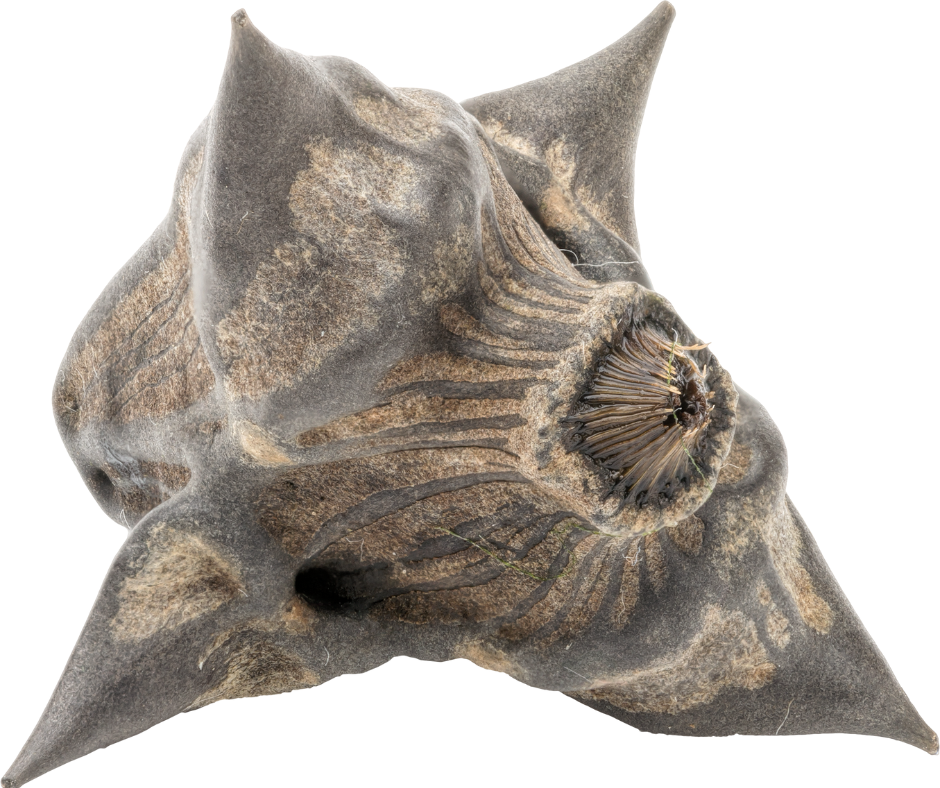
Puncturevine or goathead (Tribulus terrestris) is a very challenging weed that is also known as Caltrop, Tack Weed, Bull Head, Cat Head, and Mexican Sand Burr. As foreboding as these names sound, the reality is even more sinister because they are difficult to live with and challenging to kill. This is because goathead plants like to stay very low to the ground where they can escape the wrath of lawnmowers, weed-whackers, and bush-cutters, so they often get the opportunity to mature and form their terrible seed heads. What’s worse is that each plant can produce several hundred to several thousand stealthy, strong, and sharp caltrop-like burs that have the potential to seriously injure people, animals, and even thin-walled pneumatic tires (like bicycle tires). The good news (if there is any) is that they also produce small, yellow, bee-foraged flowers that serve as a subtle warning.
HOW DID IT GET THERE?
It originated from southern Europe and northern Africa. Supposedly, it was (accidentally) imported into the United States along with livestock from the Mediterranean area. But how did it get into YOUR yard? The seeds themselves are designed for animals and people to carry them to their new homes. They attach to fur or feet and walk themselves into a new home.
WHERE DOES IT THRIVE?
Goatheads love to take root along railways, roadsides, walkways, residential
properties, cultivated fields, and other disturbed places. It thrives in hot,
dry, sandy soils; but will also grow in most other soils too. The plants don’t
generally survive freezing temperatures, but the seeds survive almost any
condition.
HOW CAN YOU GET RID OF IT?
Long-term control of
puncturevine can be achieved by reducing the number of seeds in the soil. By
removing plants before they produce seeds (flowering) over several years, the
plants will eventually go away. Burrs that have dropped after removal will need
to be collected by sweeping the ground or patting the ground with a piece of
carpet to collect the burrs. Be sure to also check places where shoes are stored
and remove any burrs that may have stuck to the soles.
Puncturevine can be killed with chemicals. Always read
the instructions carefully to ensure you are being safe, applying at times that
won’t affect pollinators, and that you don’t accidentally kill neighboring
plants.
You can also introduce your goathead plants to their
natural predators: the Puncturevine Seed Weevil (Microlarinus Lareynii) and/or
the Puncture Vine Stem Weevil (Microlarinus Lypriformis). The larvae of
these two species will bore into the seeds and destroy them.
WAIT… IS THERE ANYTHING GOOD ABOUT GOAT HEADS?
Goatheads make a fantastic organic deterrent against bare-footed or
bicycle-bound bandits. Just plant Puncturevine in the form of a natural
barrier; or, if you happen to be on the run, simply toss a handful of goatheads in the suspected path of bandit travel and your problems should be
solved in short order – unless, of course, you are dealing with
boot-wearing bandits!
Best of luck keeping your head as you attempt to remove goatheads!
Sunday, June 25, 2023
Stay sharp! Maintaining your lawn care equipment.
Inspection areas:Sharpening and balancing the blade - A dull blade tears grass and can leave it prone to disease, and an unbalanced blade can cause your mower excess wear and tear.
Check the air filter - If you are using the mower in dry or dusty conditions, you will need to replace the air filter more often.
Check the spark plug - Always ensure that the spark plug is clean and gapped correctly.Check the carburetor - and have it adjusted if necessary.
Check the oil - and have it changed if needed.
Check the wheels, bags, and
belts - and replace as needed. Consider blowing off mower after each use.
Your lawn mower is likely the most frequently used piece of outdoor power equipment that you own - here's a maintenance calendar that's handy to use. Proper maintenance is extremely important to maximizing efficiency, reducing emissions, preventing costly repairs and extending the life of your lawn mower. By keeping your mower in proper working order, you can help maintain a healthy environment, pocketbook and lawn.
For more information on lawn care, contact your local University of Idaho Extension office!


.png)
.png)