Showing posts with label Turf/Tree Team. Show all posts

Monday, September 3, 2018

Turf/Tree Team Part 2

The Tree and Turf Team has been busy so far this summer. Part 2


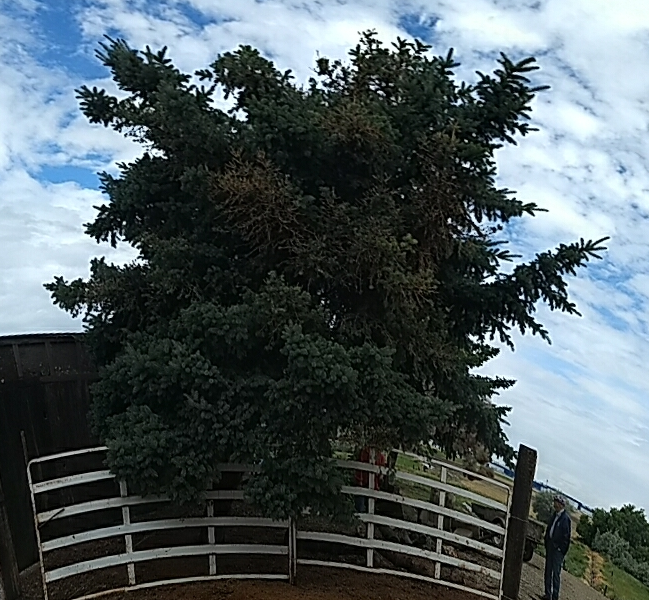
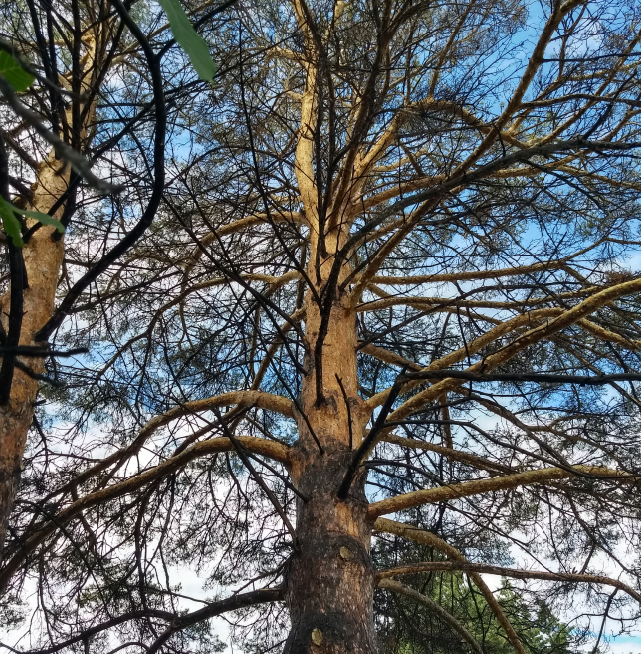
Our next site visit was near Greenleaf to help answer the question on why a resident’s spruce tree was showing signs of failing health. What we found was a single spruce tree next to a barn where it was starving for water, which was making the tree unhealthy. That in turn attracted Spruce Beetles which started their slow death of the tree. Look at 3rd photo below where bark is missing, also notice the 4th photo below of a neighbor’s spruce tree with severe beetle damage. We took a small walk around and noticed several more spruce trees in neighborhood with similar signs of beetle damage.
Signs of beetle damage are where the needles on infested trees may turn a pale yellowish-green color and tend to drop to the ground after high winds, but rarely turn rust colored on the tree. Needles typically drop from branches the second summer after the tree has been infested. Boring dust, produced when beetles bore new entry holes, may accumulate in bark crevices and around the base of the tree. Streams of resin along the main trunk are often associated with recently attacked trees.
What can you do to help protect your spruce tree?
  • Maintain the health and vigor of trees: The Spruce Bark Beetle prefers to attack weaker trees or ones that have fallen so maintaining the health and vigor of your trees is important. Tree culturing activities such as watering and fertilizing trees early in the growing season will help develop and maintain healthy trees.
  • Prune lower branches to retain a fully crowned tree. Topping mature evergreen trees as illustrated in the pruning link, page 6, sets a tree up for disease and damage: Pruning should be done in the fall and the branches removed from the site if disease is present.
  • Spray the tree with an insecticide registered for use on spruce trees to prevent Spruce Beetle attacks: This should be done in spring by early May to protect the tree prior to the beetle’s emergence and dispersal flight.
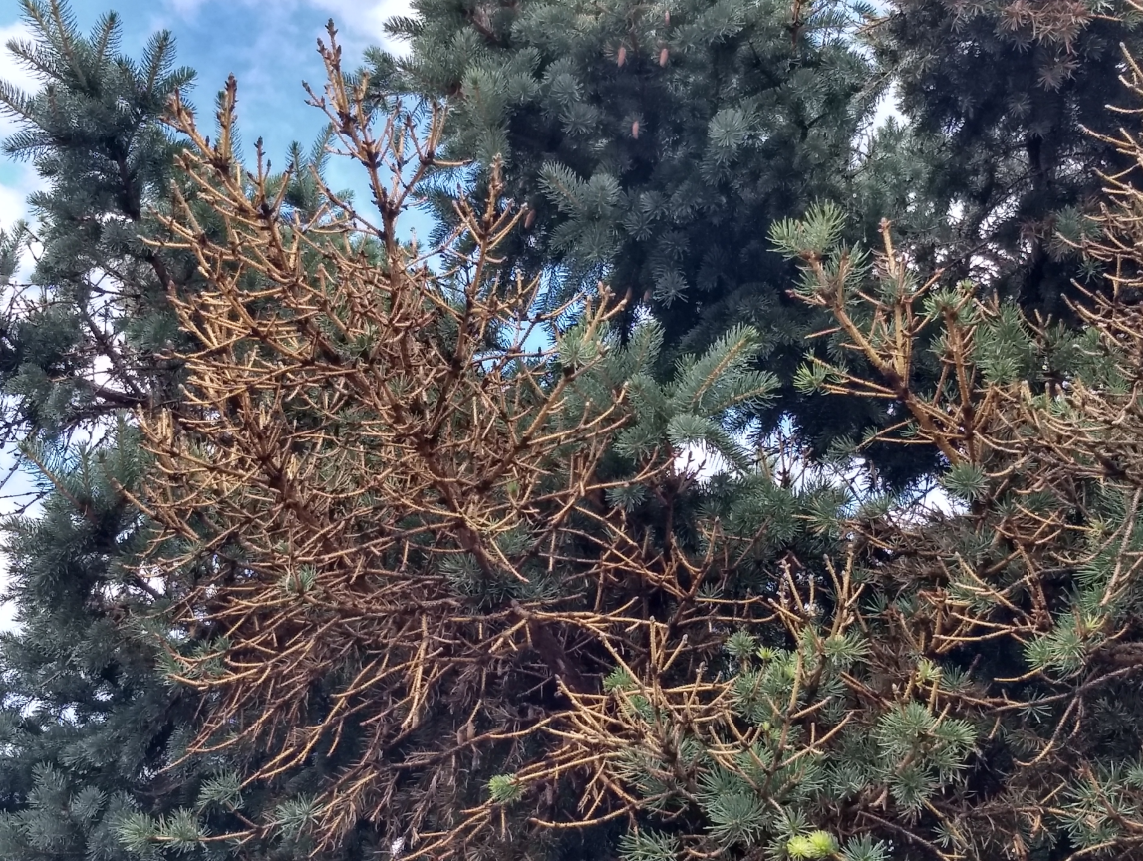
Severe dieback
Spruce tree next to barn
   
Neighbors tree with severe beetle damage
Noticeable beetle damage
           
Spruce beetle impact: from Colorado State forest management

Tuesday, August 14, 2018

Turf/Tree Team Part 1

The Tree and Turf Team has been busy so far this summer.
Part 1.

There hasn’t been a slow down with mid-summer fast approaching for Tree & Turf Team.
The team has been all over the valley visiting multiple issues impacting resident’s trees and lawns. We’ll cover a few of our visits in detail, giving what we found, we will show some photos of damage and what advice we gave to help the owners.
Our 1st visit takes us out to Melba where a couple have 2-acre 180 fruit tree orchard that turned out to be a lot of note taking. The couple called into Canyon County Extension Office asking for help with their apple, pear and cherry trees, each with a different problem. The apple trees were being impacted by a severe aphid infestation. “see photo’s 1 and 2”. At this point there wasn’t much we could do because the aphids would soon be gone for the summer eating grasses but they  could return in fall. We made comments about using horticultural oil before bud break next year to help control future outbreaks.  
Aphids causing the leaves to curl
Notice small black spots on the back of leaf
The second tree variety “pears” appeared to be impacted by fireblight. Fireblight is a really nasty bacteria that ends up killing large areas of the tree. The only way to try saving what’s left of the tree is cutting the impacted branch below the infected area and disposing of it. It’s important to get these limbs removed right away because the bacteria can move from blighted spurs and shoots through the vascular system into larger limbs and tree trunk. Death of the tree could result within one season if not properly taken care of.

Signs of fireblight is wilted leaves turning black
Several branches impacted with fireblight               
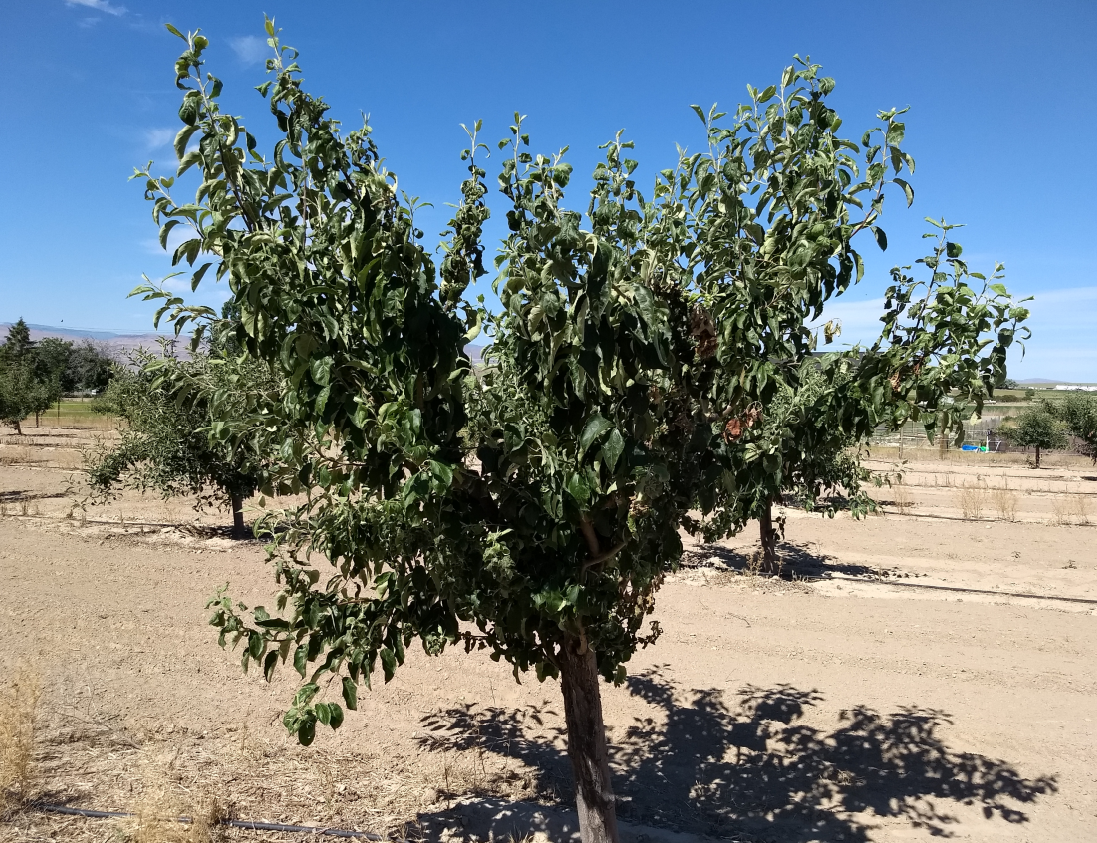
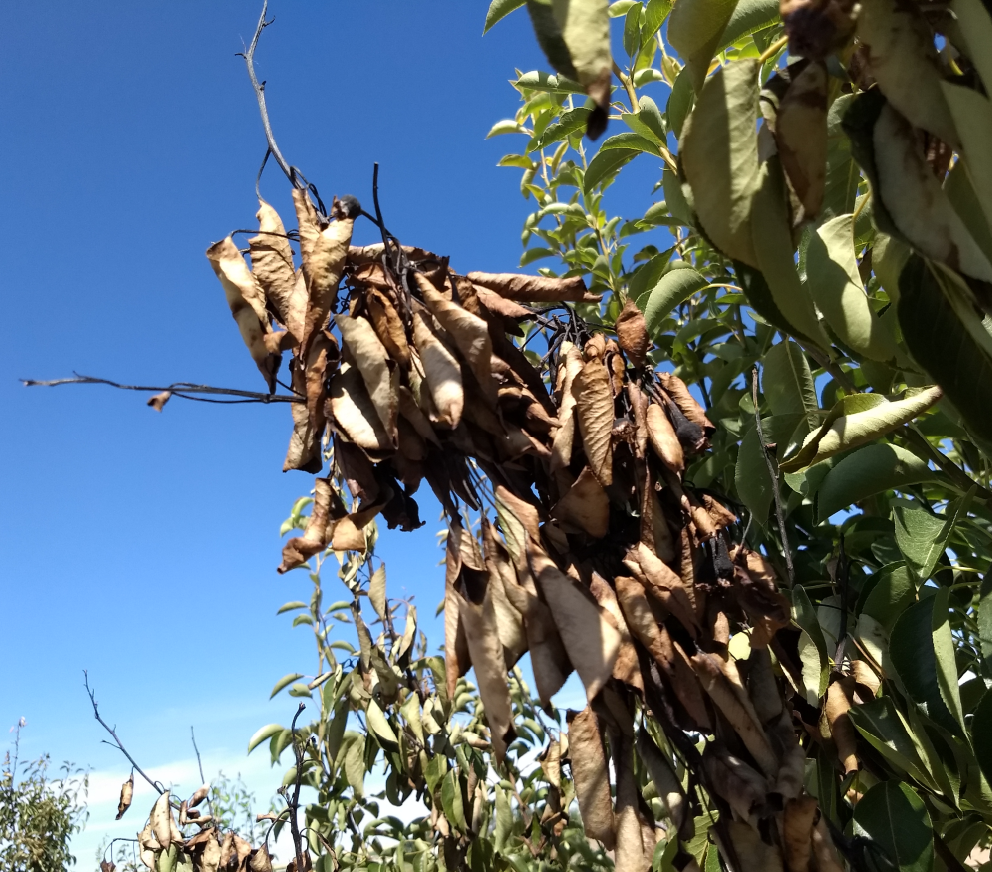
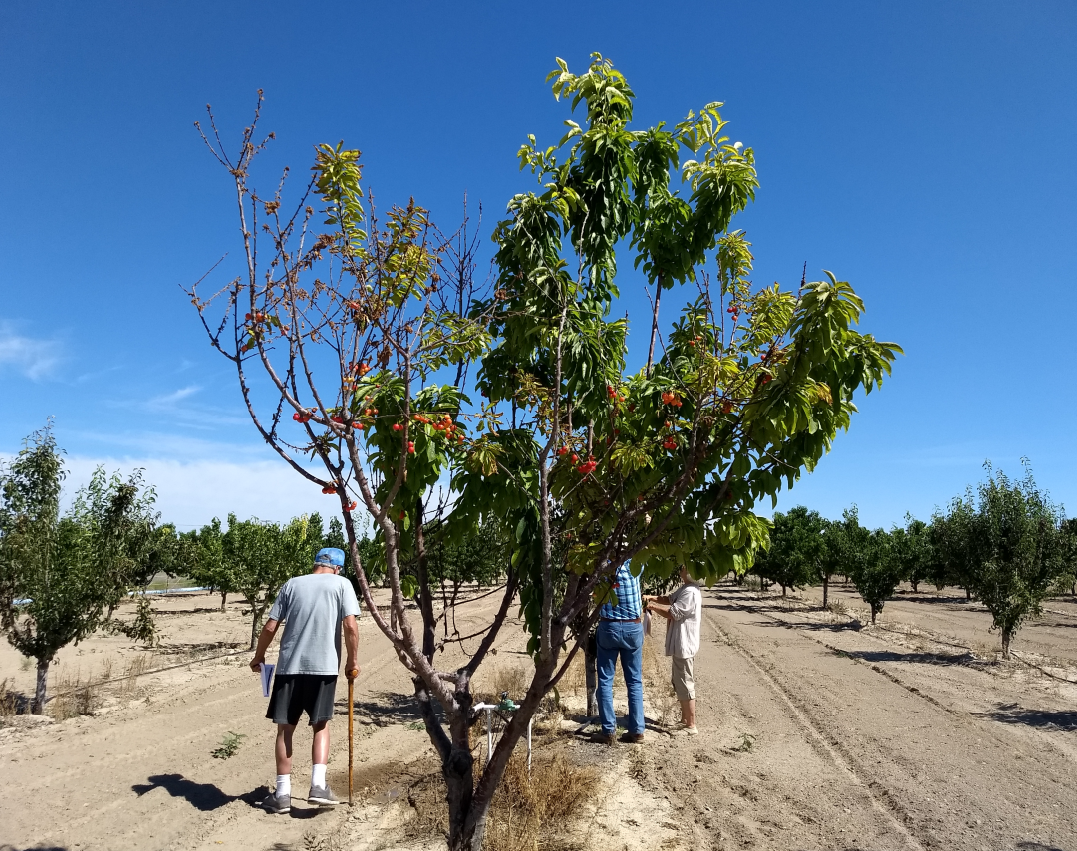
The third tree issue impacting the orchard was their cherry trees. Research is still ongoing, but we are suspecting a fungal disease called Brown Rot Blossom Blight. The branch tips die back, leaving clusters of dead, brown leaves. Fungus spores infect the tree blossoms in the spring, when the blooms begin to age. Many tiny black spores begin to cover the dying flowers. The spores become active and start to kill the branch tip and work back towards the trunk. Once the dieback begins, the disease cannot be controlled. The only recourse is to prune off the dead portions of the branches and dispose of them in the trash. However, you can help prevent the reinfection of your plants by cleaning up all ground litter from all around the base of the tree.
Clusters of brown dead leaves
Backed off to notice dead branch dieback
Last pieces of advice we gave them was about their drip water system, which was to move emitters out further toward tree drip line instead of directly next to trunk. The 2nd item was to bring in a few truck load of wood chips that could help in retaining moisture and better temperature control under the tree canopy.

Check out some of these links.


Data Reference:
Aphids impact on apples trees:  from Utah State Extension


Fire blight on pear trees: from University of California Extension


Cherry tree fungus blight: from Penn State Extension

Tuesday, May 1, 2018

Early start this year for Turf and Tree Team

Our 2018 Tree and Turf team
With above average temperatures in the valley this early Spring, the local trees and plants are getting head start on their growing season. With that in mind, the newly combined Turf and Tree team of Master Gardeners from Univ. of Idaho Canyon County Extension office is getting its earliest start to the new year.  

We now have higher than normal volume from area residents giving us a call as well as emailing the team with their questions and concerns.


The new team got started back in early March with series of turf training classes taught by local University educator Rich Guggenheim. 

New sod being cut and rolled up
We followed the training classes up with field trip out to local DG turf farm. There, the owner, John went through what it takes to run a turf farm and different varieties of turf he has available.                         
     

Middleton fruit tree visit
With the classes and field trip behind us, we were all eager to get started. We had our first site visit out to Middleton to visit a local resident that had many questions about her recently planted fruit trees. She had many questions from watering schedules, to proper pruning and when to start fertilizing. We spent a good couple hour answering her questions and looking at each of her 20 trees individually for any unique issues or problems.  
    
     
The affected spruce tree
After the Middleton visit, we made dash down to south Nampa to another site to check out some Spruces that were feeling the blues. The owner had several Spruces that appeared to have dieback that was impacting his trees. The team took several pictures and small clipping samples from couple of trees to take back to office/lab for further evaluation. What's wrong with my trees blog Part 1

Here's Part 2 - The following Monday, the Turf/Tree team started investigating possible causes to Spruce tree impact including hooking up microscope to take closer look at needles. We also used several University “.edu” web sites looking for clues. During our search a new client walked in extension office door with very similar problem with her Spruce trees.  After giving her what we believe was the answer to the problem with her Spruce trees Rhizosphaera Needle Cast, we were also able to answer other questions she had on turf maintenance and how to get rid of gophers. We put together an email detailing each of her issues that was found thru Penn State and Colorado State Extension web sites. She seemed thrilled at the quick response to all her questions and concerns...and she left with a smile.

Well this next week doesn’t look like it’s going to slow down at all. We have several emails requesting more information from several new clients needing help with their trees and lawns. We are doing site visits to conduct LISA for a 20$ fee (Lawn Irrigation System Audit) if you have concerns about your lawn. Looks like we're going to have really busy summer.  So, till next month, keep on pruning.

Monday, April 2, 2018

What is wrong with my trees today? Part 1

Can you tell what is wrong with my trees? 


Tree owner:
I water them and feed them and talk to them and they are still in decline. These trees are Columnar Blue Spruce that I planted a couple of years ago to use as wind and visual breaks. I called the Canyon County Extension office and asked for help. Members of the Turf/Tree Team corresponded with me and they came to my house for a site visit.

Turf/Tree Team members' site visit assessment:
The worst of the Columnar Blue Spruce trees was next to a propane tank. Thinking that this may have been the cause, we walked around the tree and noticed that the damage was all around the tree. So much for an easy explanation, blaming it on a propane leak. Some of the other trees were starting to show signs of the same problem. 


Upon examining several of the trees and talking to the owner about the trees, soil, watering and fertilizing habits and cultural habits. We took cuttings from some of the best spots on these trees to bring back to the office for further examination.


To be continued. The final outcome will be shared in Part 2.