Vertical gardens can thrive in a variety of settings. Whether you have a sunny balcony, a shaded patio, or a compact backyard, there’s a setup that will work for you. Some great places for a vertical garden include decks, porches, patios, small backyards, and even indoor living spaces with proper lighting.
Choosing Your Containers and Structures
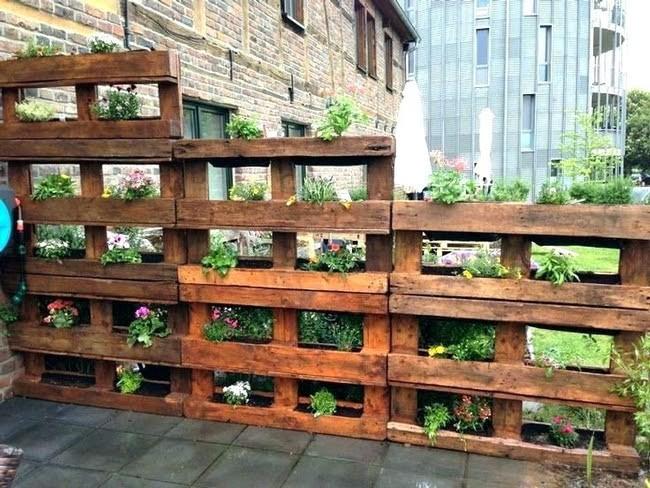
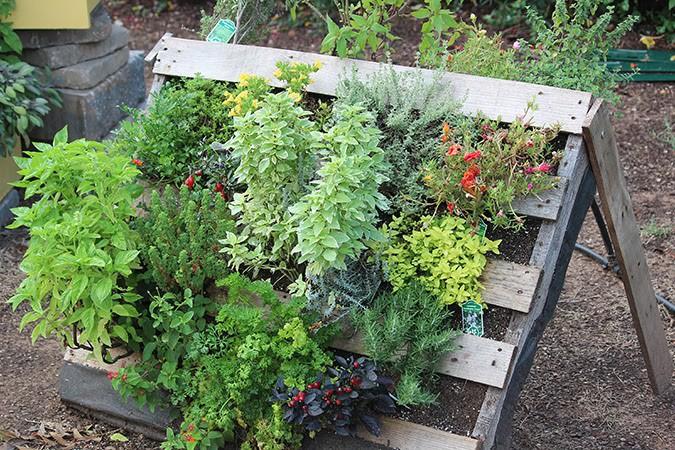
A vertical garden can be built using many different materials, making it a fun and customizable project. Stacking containers are ideal for strawberries and herbs, while pallets work well for growing lettuce, herbs, and small flowers. Trellis fencing is a great choice for supporting squash, cucumbers, and baby butternut squash. Tripods or teepee shapes are perfect for supporting peas and beans. Upcycled materials, such as old fencing, blank walls, and repurposed containers, can be transformed into a unique and sustainable vertical garden.
 How to Start Your Vertical Garden
To begin, choose a suitable container based on the plants you want to grow. Use a high-quality, well-draining soil mix to ensure proper plant growth. Decide whether you want to grow flowers, fruits, vegetables, or a combination of all three. Set up a watering system, such as a timed drip system for efficiency or manual watering for hands-on care. Position plants based on their light requirements to ensure proper growth, and plan for shade by strategically placing taller plants to protect lower-growing ones. Different plants require different fertilization schedules, so be sure to research your choices before applying nutrients.
Maintaining Your Vertical Garden
To keep your vertical garden thriving, regular maintenance is key. Fertilize plants as needed to ensure they receive the proper nutrients. Monitor the function of your watering system and adjust it as necessary. Regularly prune and trim plants to keep them healthy and encourage new growth. Train climbing plants by using ties or trellises to guide them upwards. Keep an eye out for pests and take preventive measures to protect your plants. Make sure your plants get enough sunlight and are shielded from strong winds to prevent damage.
 A vertical garden opens endless possibilities for growing a lush, thriving green space in even the smallest areas. With a variety of containers, structures, and plant choices, you can customize your vertical garden to be just right for you. Plus, repurposing materials and containers makes it a sustainable and cost-effective gardening option. At the end of the growing season, you can reuse many of the materials for the next year, making it an investment in both beauty and practicality. So why limit yourself to traditional gardening when you can take your garden to new heights? Start your vertical garden today and enjoy the benefits of growing up, not out!
Choosing Your Containers and Structures
A vertical garden can be built using many different materials, making it a fun and customizable project. Stacking containers are ideal for strawberries and herbs, while pallets work well for growing lettuce, herbs, and small flowers. Trellis fencing is a great choice for supporting squash, cucumbers, and baby butternut squash. Tripods or teepee shapes are perfect for supporting peas and beans. Upcycled materials, such as old fencing, blank walls, and repurposed containers, can be transformed into a unique and sustainable vertical garden.

To begin, choose a suitable container based on the plants you want to grow. Use a high-quality, well-draining soil mix to ensure proper plant growth. Decide whether you want to grow flowers, fruits, vegetables, or a combination of all three. Set up a watering system, such as a timed drip system for efficiency or manual watering for hands-on care. Position plants based on their light requirements to ensure proper growth, and plan for shade by strategically placing taller plants to protect lower-growing ones. Different plants require different fertilization schedules, so be sure to research your choices before applying nutrients.
Maintaining Your Vertical Garden
To keep your vertical garden thriving, regular maintenance is key. Fertilize plants as needed to ensure they receive the proper nutrients. Monitor the function of your watering system and adjust it as necessary. Regularly prune and trim plants to keep them healthy and encourage new growth. Train climbing plants by using ties or trellises to guide them upwards. Keep an eye out for pests and take preventive measures to protect your plants. Make sure your plants get enough sunlight and are shielded from strong winds to prevent damage.