Showing posts with label Container gardening. Show all posts

Thursday, May 21, 2026

Container Gardening - Tomatoes...and more!

Container vegetable gardening is an accessible and rewarding way to grow your own food, whether you have a sprawling backyard or just a sunny balcony. Choosing the right vessel is the foundation of a successful container garden. Most vegetables need at least 12 inches of depth, and larger is generally better. A 5-gallon container works for compact plants, while tomatoes thrive in 10 to 15-gallon pots.

Make sure every container has drainage holes to prevent waterlogged roots. Skip regular garden soil, which compacts easily in pots. Instead, use a high-quality potting mix blended with compost for nutrients and perlite or vermiculite to keep it light and well-draining.

When it comes to what to grow, a classic and productive combination is tomatoes, basil and pollinator-friendly flowers. Tomatoes are a container garden staple.

“Compact” or "patio" varieties do especially well in pots. Look for “determinate” 
tomatoes if you seed start or purchasing starts for your container. These are the type of tomatoes that mature to a certain height and won’t overwhelm a container/small space. Basil is a natural companion plant that repels certain pests and thrives in the same sunny, warm conditions as tomatoes. Tuck in a few flowers like marigolds, nasturtiums, or zinnias to attract bees and butterflies, which are essential for pollinating your tomatoes and keeping your garden productive.
With the right size pot, a good quality potting mix, and a thoughtful combination of plants like tomatoes, basil, and pollinator flowers, you can create a thriving mini-garden almost anywhere. Keep up with watering — containers dry out faster than garden beds — and you'll be rewarded with a beautiful, productive space all season long.

For even more information on other vegetables and plants to grow in pots, go here: 
https://extension.oregonstate.edu/news/container-gardening-grow-vegetables-even-without-yard-space

Friday, July 18, 2025

Managing Heat Stress in Idaho Gardens

          
As Idaho summer heats up and dries out, gardeners across the state are feeling it—wilting veggies, crispy lawns, and blooms that barely last a day. Even the best-tended gardens can struggle in a heatwave. Knowing the signs of heat stress and how to respond can help you keep things growing through the toughest stretch of summer.

What Is Heat Stress?

When temperatures climb high enough, plants can’t cool themselves efficiently through transpiration. Moisture evaporates faster than roots can replace it. To conserve water, plants close their stomata—but that slows growth, reduces yield, and weakens the plant. Long stretches of heat can cause real damage, and in some cases, even kill the plant.

Vegetable Gardens: First to Feel the Heat

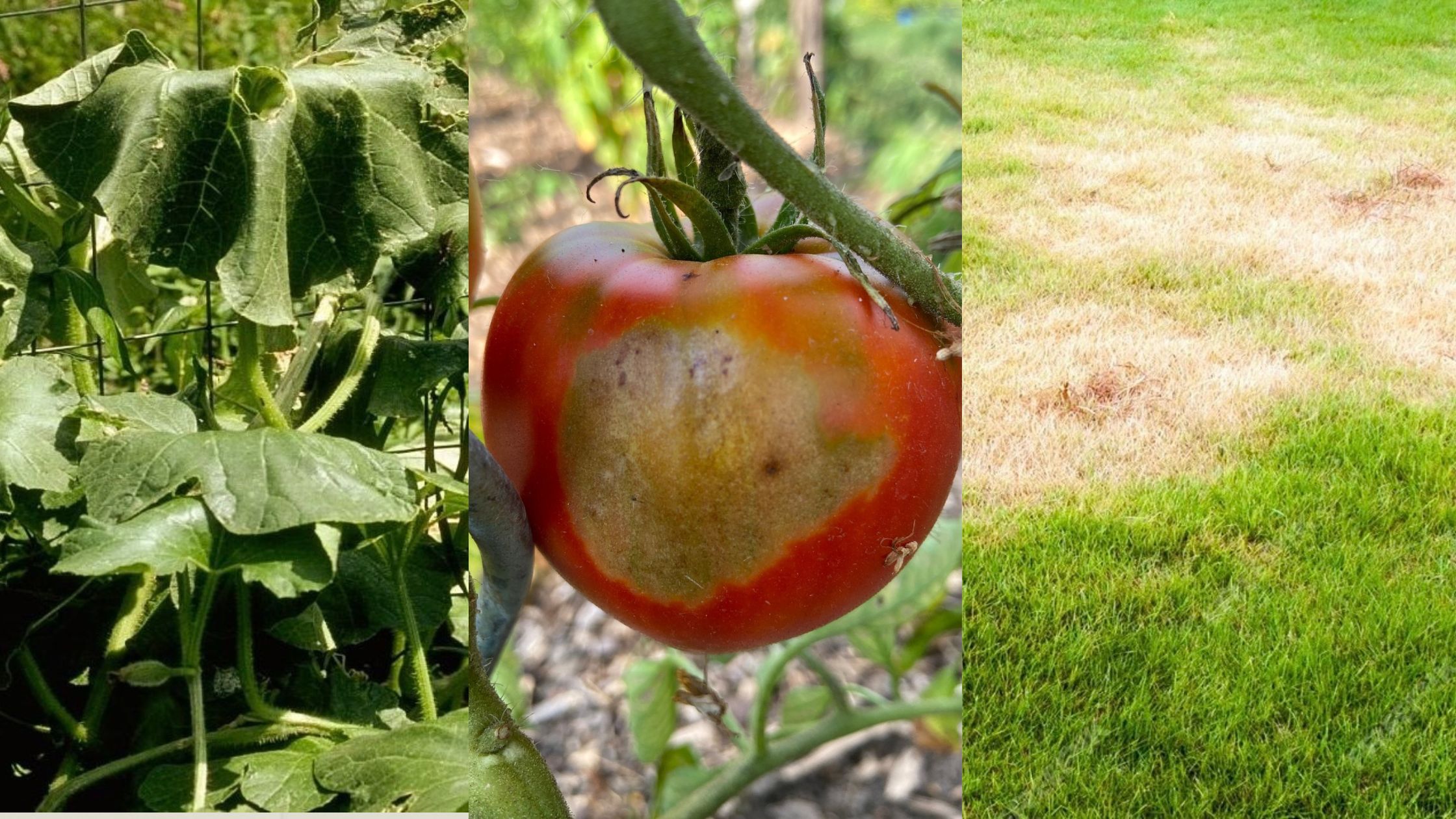
Vegetables, especially those in full sun or shallow soils, are usually the first to suffer.

Common Signs:

  • Wilting at midday, even when the soil is moist

  • Blossoms dropping from tomatoes, peppers, beans, and squash

  • Curling or rolling leaves (especially on tomatoes and corn)

  • Sunscald on fruit and foliage
  • Bolting in cool-season crops like lettuce, spinach, cilantro, and broccoli

When days top 94–96°F and nights stay above 70–75°F, tomato blossoms may drop and pollination can fail. Beans and peppers are even more heat-sensitive—blossoms can drop when temps reach the low 90s.

Tips to Beat the Heat:

  • Water early and deeply so roots get moisture before the heat peaks
  • Mulch with straw, shredded leaves, or compost to keep soil cool

  • Use shade cloth or temporary shade for vulnerable crops

  • Hold off on fertilizing during heatwaves—new growth is too fragile

  • Group plants with similar water needs for better care

Always check soil moisture a few inches down. A damp surface can be deceiving.


Container and Raised Bed Gardening: Needs Extra TLC

Containers and raised beds are efficient and popular in Idaho gardens—but they dry out fast and heat up quickly in the sun.

Containers:

  • Use light-colored or large pots to help keep roots cool

  • Check moisture daily (or twice daily during extreme heat)

  • Add mulch to container surfaces to reduce water loss

  • Move pots to afternoon shade if you can, or use umbrellas or shade cloth

  • Skip the fertilizer until the weather cools a bit

Raised Beds:

  • Amend with compost to hold more water

  • Water deeply and consistently—daily in temps over 90°F

  • Use drip irrigation or soaker hoses to water efficiently

  • Add 2–3 inches of mulch to moderate soil temperature swings

  • Shade cool-season crops like lettuce and spinach to delay bolting

Raised beds and containers can be powerhouses—but only if you stay ahead of the heat.

Lawns: Tough, But Not Invincible

Cool-season grasses like Kentucky bluegrass, ryegrass, and tall fescue thrive in spring and fall. But when summer highs hang out above the mid-80s, even tough turf shows stress.

Heat-Stressed Lawn Signs:

  • Grass looks dull green or bluish

  • Footprints linger long after walking

  • Growth slows, blades feel dry or brittle

Keep Lawns Alive Through Heat:

  • Mow high—3–4 inches helps shade the soil

  • Use a mulching mower to keep moisture and nutrients in the lawn

  • Water deeply, aiming for 1–1.5 inches per week in 2–3 sessions

  • Sharpen mower blades to reduce tearing

  • Avoid fertilizing in peak heat

A lawn under stress doesn’t need rescuing—just steady, gentle care. With consistent watering and mowing, it’ll bounce back strong once cooler weather arrives.

Flower Beds: Fragile but Recoverable

Annuals and tender perennials often struggle most in summer heat. Blooms fade fast, leaves scorch, and plants may wilt even after watering.

Watch For:

  • Drooping leaves

  • Smaller or faded flowers

  • Brown leaf tips

  • Early flower drop

Flower Bed Survival Tips:

  • Mulch to keep roots cool and moist

  • Water at the base of plants to reduce disease and improve efficiency

  • Choose heat-tough favorites like zinnias, lantana, marigolds, and black-eyed Susans

  • Shade delicate flowers using nearby plants or lightweight covers

  • Deadhead often to keep blooms coming without over-stressing the plant

Container-grown flowers may need water once or twice a day during heatwaves—and they’ll appreciate a break from that blazing afternoon sun.

Resilience Through the Heat

You can’t change the weather, but you can outsmart it. With a few adjustments—like early watering, smart mulching, temporary shade, and timing your tasks—you can help your garden survive and thrive through the hottest stretch of the year. Plants are surprisingly resilient. With a little help, they’ll bounce back beautifully once the heat breaks.

Additional Reading:

Saturday, May 10, 2025

With Thrill, Fill, Spill - Container Gardening May Be your Answer!

Container Gardening Guide, Elisabeth C. Miller LibraryWant to add color to your landscape without fighting Idaho’s heavy clay soil?

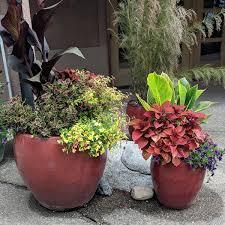
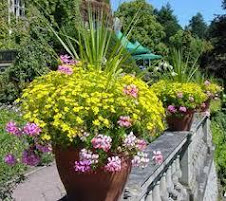
Container gardening may be the answer! More than just for areas with limited space, containers are great for adding height in an existing garden, as a way to plant areas with difficult in-ground soil conditions, or as a portable home for plants that cannot survive the winter months outdoors. They also allow gardeners an opportunity to experiment with combinations of colors and textures on a small scale before taking on a bigger planting.

Additionally, I use container gardens within my own landscape in order to create visual levels of plantings within my border, as well as an alternative to battling digging out and amending the hard clay soil.


Key considerations when gardening in containers: 

  1. Location: When determining where to place your containers, it is important to consider the amount of sunlight the location gets during the day. 

  2. Container Gardening, Too! Webinar | Cooperative Extension | The University  of ArizonaContainer: Containers should have adequate drainage and not be too much larger in size (around) than the combined area needed for the plants that will be planted in the container.

  3. Soil: The soil should be mostly a potting soil mix, that can be amended with organic material (compost, peat moss). When adding material to the potting soil, the soil and organic material should be well combined in order to have a uniform texture and allow for proper drainage. 

  4. Plant selection: Based on the amount of sun that the container will get during the day, select plants that have similar amounts of sunlight and water required. 

  5. For plant recommendations and ideas, check out this article from Oregon State University.

How to Design a Container Garden:

Designing a container garden lets the gardener be free to create playful and eye-catching garden spaces. 

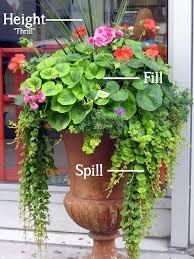
The primary design elements of a container garden are the thrill, fill, and spill

  1. The thrill is usually a planting that creates height in the container, it is a planting that is often centered in the container and is taller than the rest. 

  2. The fill is a plant or plants that are similar in height, but shorter than the thrill. The fill occupies the middle section of the container planting and may have pops of color contrast that draw the eye toward the container. 

  3. The spill is typically a trailing plant that spills over the side of the container and adds both drama and texture.   

Trying to decide which is right for you - container gardening or raised beds? Check out these five tips.

Friday, February 21, 2025

Vertical Gardening: Grow Up, Not Out

If you’ve ever felt limited by a small yard or patio but want to grow your own plants, vertical gardening is the perfect solution. Utilizing vertical space instead of ground space, a vertical garden allows you to grow flowers, fruits, and vegetables in a compact and efficient way. Also known as green walls, living walls, or eco walls, vertical gardens are now even being used in farming for crops like lettuce, tomatoes, and strawberries. With all the advantages of vertical gardening, why grow out when you can grow up? 

Vertical gardens can thrive in a variety of settings. Whether you have a sunny balcony, a shaded patio, or a compact backyard, there’s a setup that will work for you. Some great places for a vertical garden include decks, porches, patios, small backyards, and even indoor living spaces with proper lighting.

Choosing Your Containers and Structures
A vertical garden can be built using many different materials, making it a fun and customizable project. Stacking containers are ideal for strawberries and herbs, while pallets work well for growing lettuce, herbs, and small flowers. Trellis fencing is a great choice for supporting squash, cucumbers, and baby butternut squash. Tripods or teepee shapes are perfect for supporting peas and beans. Upcycled materials, such as old fencing, blank walls, and repurposed containers, can be transformed into a unique and sustainable vertical garden.

How to Start Your Vertical Garden

To begin, choose a suitable container based on the plants you want to grow. Use a high-quality, well-draining soil mix to ensure proper plant growth. Decide whether you want to grow flowers, fruits, vegetables, or a combination of all three. Set up a watering system, such as a timed drip system for efficiency or manual watering for hands-on care. Position plants based on their light requirements to ensure proper growth, and plan for shade by strategically placing taller plants to protect lower-growing ones. Different plants require different fertilization schedules, so be sure to research your choices before applying nutrients.

Maintaining Your Vertical Garden
To keep your vertical garden thriving, regular maintenance is key. Fertilize plants as needed to ensure they receive the proper nutrients. Monitor the function of your watering system and adjust it as necessary. Regularly prune and trim plants to keep them healthy and encourage new growth. Train climbing plants by using ties or trellises to guide them upwards. Keep an eye out for pests and take preventive measures to protect your plants. Make sure your plants get enough sunlight and are shielded from strong winds to prevent damage.

A vertical garden opens endless possibilities for growing a lush, thriving green space in even the smallest areas. With a variety of containers, structures, and plant choices, you can customize your vertical garden to be just right for you. Plus, repurposing materials and containers makes it a sustainable and cost-effective gardening option. At the end of the growing season, you can reuse many of the materials for the next year, making it an investment in both beauty and practicality. So why limit yourself to traditional gardening when you can take your garden to new heights? Start your vertical garden today and enjoy the benefits of growing up, not out!

Sunday, May 23, 2021

Container Gardening could be your Answer!

Want to add color to your landscape without fighting Idaho’s heavy clay soil?

Container Gardening Guide, Elisabeth C. Miller LibraryContainer gardening may be the answer! More than just for areas with limited space, containers are great for adding height in an existing garden, as a way to plant areas with difficult in-ground soil conditions, or as a portable home for plants that cannot survive the winter months outdoors. They also allow gardeners an opportunity to experiment with combinations of colors and textures on a small scale before taking on a bigger planting.

Additionally, I use container gardens within my own landscape in order to create visual levels of plantings within my border, as well as an alternative to battling digging out and amending the hard clay soil.


Key considerations when gardening in containers: 

  1. Location: When determining where to place your containers, it is important to consider the amount of sunlight the location gets during the day. 

  2. Container: Containers should have adequate drainage and not be too much larger in size (around) than the combined area needed for the plants that will be planted in the container.

  3. Soil: The soil should be mostly a potting soil mix, that can be amended with organic material (compost, peat moss). When adding material to the potting soil, the soil and organic material should be well combined in order to have a uniform texture and allow for proper drainage. 

  4. Plant selection: Based on the amount of sun that the container will get during the day, select plants that have similar amounts of sunlight and water required. 

Container Gardening, Too! Webinar | Cooperative Extension | The University  of Arizona

How to Design a Container Garden:

Designing a container garden lets the gardener be free to create playful and eye-catching garden spaces. 

The primary design elements of a container garden are the thrill, fill, and spill

  1. The thrill is usually a planting that creates height in the container, it is a planting that is often centered in the container and is taller than the rest. 

  2. The fill is a plant or plants that are similar in height, but shorter than the thrill. The fill occupies the middle section of the container planting and may have pops of color contrast that draw the eye toward the container. 

  3. The spill is typically a trailing plant that spills over the side of the container and adds both drama and texture.   

For plant recommendations and ideas, check out this list from Oregon State University.

Trying to decide which is right for you - container gardening or raised beds? Check out these five tips.

3 Ways to Enhance your Floral Arrangement Designs