Friday, July 26, 2024

Shade Loving Perennials

Shade loving perennials are described as a hardy plant that persists for several years in little to no sunlight areas. These plants will grow bigger and bigger every year and some even until you can divide and split them to plant more. Shade loving perennials will take the cold a lot better and won’t need as much water compared to sun loving perennials. These perennials can be planted under trees or along a house where it is cool and moist.
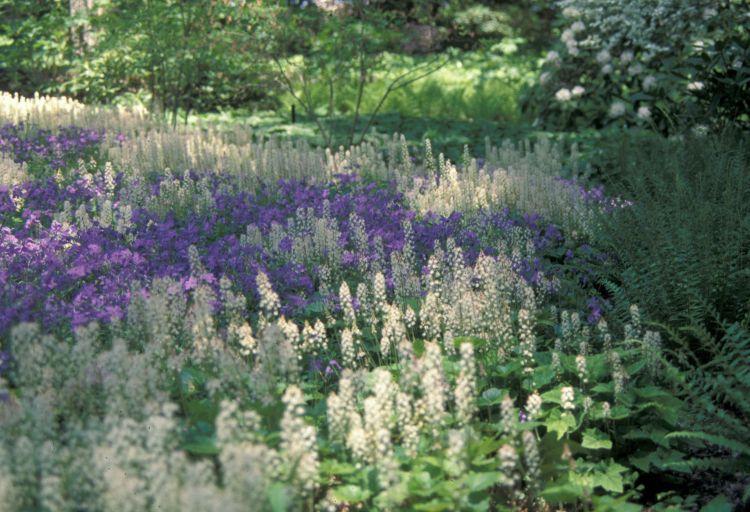

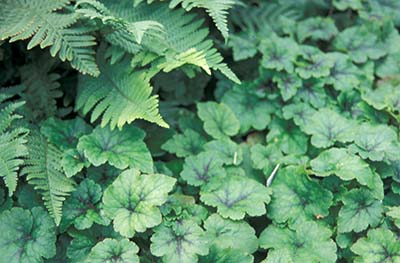
Ferns have stems, leaves, and roots but do not produce seeds. On the underside of the leaves are spores that contain the genetics needed to grow a new fern. They may be green, yellow, black, brown, orange, or red in color. Ferns are very beautiful, green, and lush plants. They have deep fibrous roots and love wet woodland type areas. Ferns will go dormant in hot, dry weather however will perk back up in the late summer to fall rain.
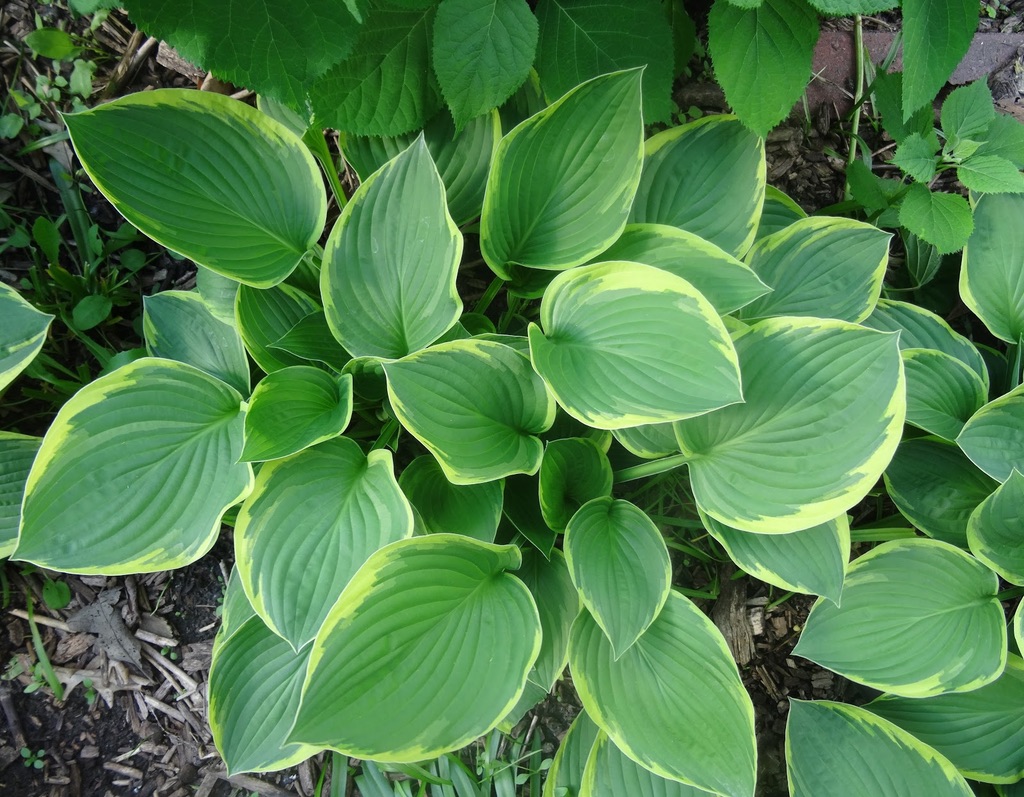
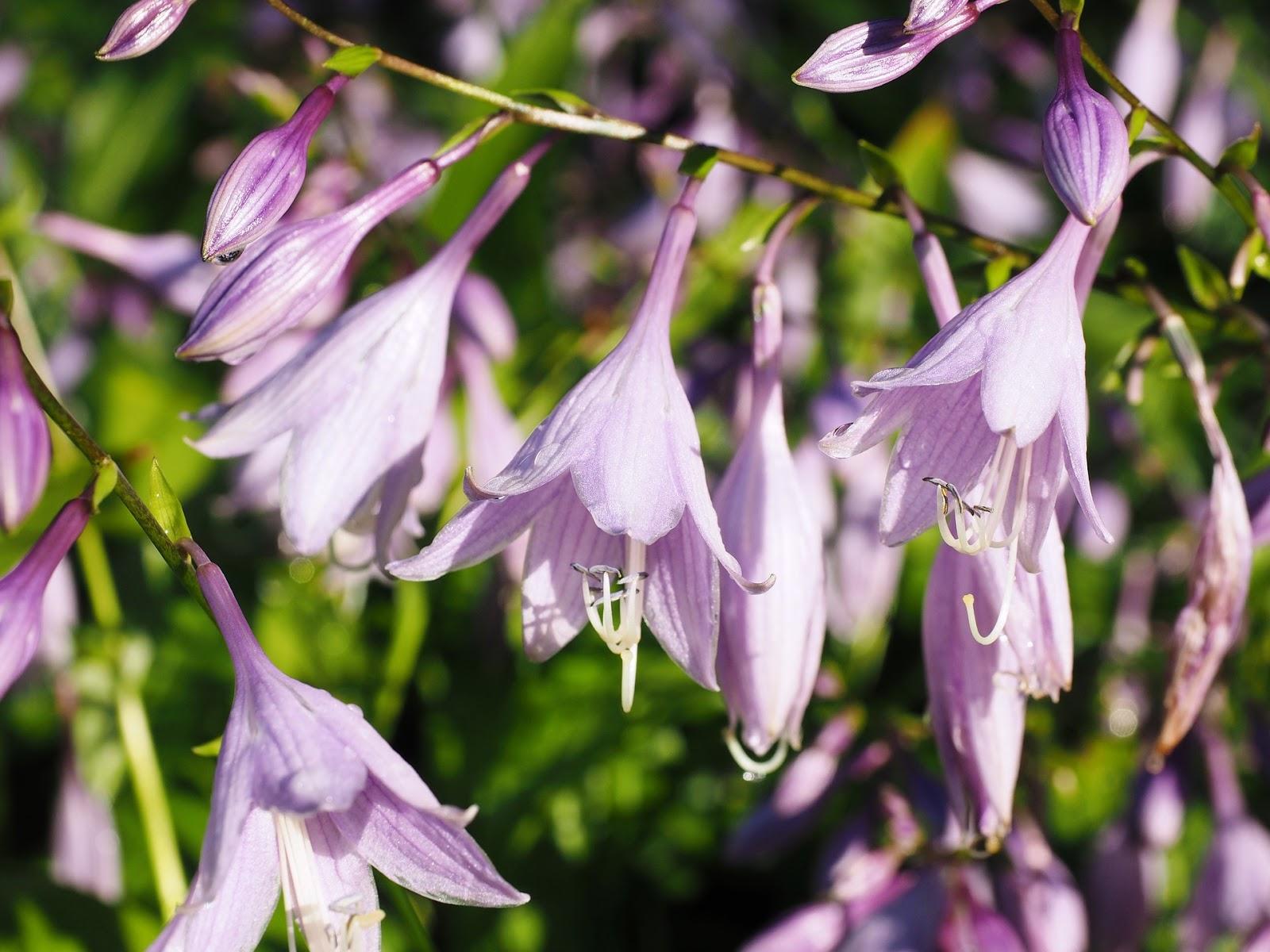
Hostas can bring lots of color and texture to your flower bed. They are low growing and clump forming which means they can be divided and planted. They have large leaf coverage, and some varieties even produce flowers that are very pleasing to the eye as well as fragrant. Leaf tips of hostas will become sun scalded and scorched in full sun. They will develop deep, rich colored leaves in cool, dark areas. Leaf lengths can range from inches to feet. Their leaves can also have many well as shapes. Textures include smooth, veined, or kinds of textures as puckered. Shapes include heart shaped, cupped, or lance like. 


Ferns and hostas will be a great addition to your flower bed. Bringing in a variety of colorful leaves are well as fragrant flowers. It will be very easy to maintain as well since you won’t have to water as much or worry about deadheading as you do most flowers. Another perk is you will save money on having to buy more plants since hostas will multiply and ferns can reproduce with their spores! Other shade perennials [see link for list] include bleeding hearts, hellebores, columbine, coral bells.

Friday, July 19, 2024

Common Corn Smut, a Disease or Delicacy?

If you’ve ever shucked sweet corn and found gray, swollen growths within the husk, you've encountered corn smut. This fungus, *Ustilago maydis*, thrives in young, developing corn during warm, dry weather. The spores penetrate and germinate with the help of moisture, causing the corn kernels to swell and form galls. These can appear white, gray, black, or brown. Corn injuries can increase susceptibility, and annual yield loss ranges from 2% to 10%, potentially higher in localized areas.
Many farmers and consumers dread the sight of smut, but others see massive potential. In Mexico, corn smut, known as huitlacoche, is considered a delicacy. This "Mexican truffle" can fetch higher prices than the corn itself. The ideal specimens are immature galls, harvested about a week before peak corn season. As Rick Bayless, chef of Topolobampo in Chicago, suggests, "Pick it when it feels like a pear starting to ripen." Popular huitlacoche dishes include tamales, quesadillas, and even ice cream.

Depending on your perspective, you’ll either want to prevent or encourage its growth. Preventive measures include planting spore-resistant varieties and balancing the soil. Fungicides have limited effectiveness. Ancient Aztecs would scratch stalks at soil level to promote smut growth, and modern growers experiment with inoculation by isolating the fungus and directly contacting the corn.

Common corn smut can be both a disease and a delicacy, depending on how you look at it. Whether you're looking to eliminate it from your crops or savor it in your next meal, understanding this unique fungus is key. So next time you see those swollen kernels, remember: one person's crop disease is another's culinary delight.


Photo Credit - Alan Bergo

Friday, July 12, 2024

Are Earwigs Really That Eerie?

European Earwigs (Forficula auricularia) are common insect pests throughout the United States. They feed on plants, including flowers, garden vegetables, and fruit trees. The common name “Earwig” is based on the false notion that this insect could enter a human ear and cause substantial damage. Earwigs are predominantly reddish brown and adults are typically ¾ of an inch long. The most identifiable feature of the earwig is the appendages at the tail end of the insect which appear to be pinchers or forceps and are referred to as cerci. The male earwig has strongly curved cerci while the female cerci are nearly straight. Earwigs have wings but are rarely seen flying.

Earwig damage to seedling plants, soft fruits, and new flowers can be substantial while damage to mature plants is limited and usually of little concern. Since earwigs are omnivorous, they can be useful as they can feed on aphids and insect eggs. Earwigs are mainly nocturnal creatures that prefer damp and dark locations but can be seen during daylight hours, especially if their hiding places are disturbed. Earwigs often enter homes and other buildings during hot and dry weather or when temperatures drop as in the late fall. Depending upon access points, large numbers of earwigs can invade occupied homes and cause distress for some but they are little more than a nuisance. Earwigs can cause significant damage to certain crops such as stone fruits when they create holes that deeply penetrate fruits. Strawberries, blackberries, and raspberries can also suffer damage although the most substantial damage can occur when earwigs feed on corn silk which will cause pollination problems and poor kernel development. The most typical and obvious damage to plants by earwigs is when they make irregular holes in leaves and flower blossoms.

Controlling or reducing earwig populations can be more than a little challenging. When the goal is to prevent house infestations, residential insecticides, when used according to label instructions, can help. The best method to keep earwigs out is to properly and completely seal around doors and windows with caulk as those are the most prominent entry points. When the goal is to prevent garden or orchard infestation, appropriate insecticide sprays used according to label instructions can suppress the earwig population, especially when conducted soon after dark since earwigs are mostly nocturnal.

Because earwigs beneficially consume other insects, especially aphids, and are a non-dangerous nuisance indoors, it turns out that earwigs aren’t that eerie after all.

Friday, June 21, 2024

Xeriscaping Doesn't Mean ZERO Scaping

Xeriscape is a landscape design emphasizing little to no water usage and is a realistic alternative to traditional landscaping in any climate. Low water use landscaping does not mean one is limited to cacti, succulents, and rocks. Instead, it involves designing a landscape that utilizes low-water plants and reduces turf. Other benefits of xeriscape include reduced yard maintenance and reduced water bills while attracting wildlife to your yard. 

The most vital part of your xeriscape plan is ensuring that watering and irrigation zones are laid out efficiently. A successful xeriscape relies on minimized water usage through efficient irrigation methods. A drip system can deliver water directly to a plant’s roots deep within the soil, reducing evaporation and allowing us to water with less frequency.   

Turf uses large amounts of water. By limiting, or eliminating, turf in your landscape planning, you can significantly cut down on water usage. Turf areas will be irrigated differently than border areas containing flowers and shrubs. Flowers and shrubs can utilize a drip system using less water while turf requires irrigation or sprinkling using significantly more water. 

Now it is time to decide where to place everything, choose low water usage plants, shrubs, and trees. Drought-tolerant species can withstand Idaho’s dry conditions. Arrange plants with similar water requirements together. Some recommendations for drought-tolerant plants include Sagebrush (Artemisia tridentata) and Penstemon. Wavy-leaf oak and Mountain Mahogany are examples of drought-tolerant trees. Make choices that will provide pops of color in your yard throughout the year.

Before planting, you must enhance the soil quality to retain moisture. Soils in the Treasure Valley tend to be heavy with clay. Add organic matter, compost, and mulch to improve the soil and enhance water retention. The use of mulch can also aid in weed abatement. Plastic and other non-porous materials are not recommended for use in the garden for keeping down weeds.

Finally, you may also want to add rocks and boulders for visual interest. Often, rocks are arranged in such a way that it appears there is a dry stream bed running through the yard.

Regularly maintain your xeriscape by pruning, weeding, and adjusting irrigation as needed. Watering early in the morning reduces the amount of water lost to evaporation. Early morning irrigating also reduces the risk of disease because plants have time to dry out during the day.


Friday, June 7, 2024

Shrubs Native to Southwestern Idaho

 Interest in native plants continues to grow, and for good reason! Whether for water  conservation, wildlife habitat and food sources, or simply an adherence to local flora, gardeners and plant enthusiasts alike find themselves curious about native plants.  

Plants native to southwestern Idaho are evolved to withstand hot and dry summers, cold winters, periodic droughts, and infrequent wildfires. It should be noted that native plants  are not necessarily synonymous with Fire Wise plants, a type of plant selected to withstand fires. Native plants provide a critical food source and habitat for insects, small mammals, and birds. Native plants have adapted to be more drought tolerant compared  to nonnative plants. Below are five shrubs that are native to Idaho and well adapted to  the growing conditions of the Treasure Valley. 

Purshia tridentata (Antelope bitterbrush) grows to about 5-8’ tall and 4-6’ wide. The flowers of this shrub are small, bright yellow, fragrant, an appear in late spring. Bitterbrush serves as a critical food source to herbivores, especially during harsh winters. As the name implies, the seeds have a bitter flavor.
Artemesia tridentata (Basin Big Sagebrush)  grows 3-5’ tall on average in a rounded or irregular shape and flowers in September. Similar to many sagebrush species, this shrub actually produces two types of leaves: one that is deciduous and another that is persistent (or evergreen). The leaves produce an essential oil that repels some wildlife but attracts fragrant others, such as pygmy rabbits and Greater Sage-grouse, which are dependent on it. 

Artemisia tridentata ssp. xericensis (Foothills sagebrush) is a naturally occurring hybrid between basin big sagebrush and mountain big sagebrush. This shrub grows 3’  tall and flowers in September. One way to distinguish between this shrub and the basin big sagebrush is by shining an ultraviolet light on it when wet. Foothills sagebrush glows  a blue color, while basin big sagebrush does not.

Ericameria nauseosa(Gray rabbitbrush) grows to 2-7’ tall and 1-4’ wide and blooms yellow in late summer or early fall. This shrub is an excellent food source and habitat for small mammals and birds. While native, Gray rabbitbrush is, in fact, highly flammable.

Chrysothamnus viscidiflorus (Green rabbitbrush) grows up to 3’ tall and 1-2’ wide.
Yellow flowers appear in late summer. The Latin species name viscidiflorus means “sticky flowers” and refers to the pungent smell and sticky texture of the rabbitbrush. Green rabbitbrush is both highly flammable and capable of resprouting vigorously after fire. It is an excellent food source, especially to rabbits.

Native shrubs play an important role in Idaho’s ecosystem as they are uniquely adapted
to the growing conditions and provide an important food source and habitat for a variety
of animals. Here's a good list for more info.

Tuesday, June 4, 2024

Why Mulch? Conserve Water and Reduce Weeding

There are so many benefits to using mulch in your garden and landscape! Spreading a layer of mulch on top of the soil protects plants from extremes in temperature. It helps protect plant roots and crowns in winter. Use dark colored mulch in the spring to warm up the soil faster for warm-season crops. To protect plants from the heat of summer, use light colored mulch to lower soil temperature. A layer of mulch also allows soil to hold more water. Using organic mulches adds nutrients to the soil as they decompose making soil more fertile over time. Additional organic matter also makes soil easier to till and creates a better environment for growing vegetables.

Mulching correctly, to a depth of about four inches, also creates a barrier that helps to control weeds. It must be deep enough to keep sunshine from hitting the soil and germinating weed seeds. Another potential benefit of a well-mulched garden is increased yields. Fruits and vegetables are cleaner and less subject to rot when not in contact with soil. Rows can be closer together as there is less need to cultivate, possibly no need to cultivate at all! 

Mulching need not be expensive. You can mulch with materials found around your yard or garden. A light layer of dried grass clippings or shredded leaves can be used with caution. If applied too thickly, grass and leaves can form a mat that interferes with the movement of water and oxygen through the soil. Pine needles last a long time and are excellent mulches for acid-loving plants. Compost is the best organic mulch provided that the compost is “finished”, meaning the decomposition process is complete and no longer generating heat.
Mulch can be applied at any time and may need to be reapplied throughout the growing season. It is important to note that as organisms break down and decompose some mulches, such as hardwood bark, straw, or sawdust, soil nitrogen levels can become depleted which inhibits plant growth. You can compensate for this by mixing some composted material into the mulch, such as grass clippings. Be careful not to apply mulch too deeply as air may not be able to penetrate the mulch layer and result in oxygen depletion. At the end of the growing season, mulch can be tilled into the soil or simply left to decompose over the winter. However you decide to do it, with care mulch can improve life in the garden and the life of the gardener. Happy mulching!

Friday, May 17, 2024

Mexican Sunflower-(Tithonia): To Plant or Not To Plant

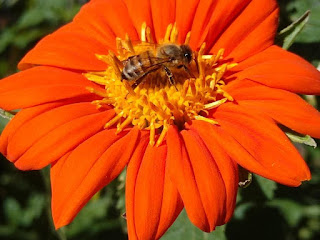
(Picture of Tithonia by Jeff Schalau)
Sharing is fun, especially when it comes from the garden. Of course I enjoy sharing produce with others, but my real love is in sharing flowers. It is an activity I can do with my wife that brings joy to our family, friends, and neighbors. I plant and raise the flowers, and my wife arranges them in mason jars to give away to whoever needs them. Maybe they just had a baby or just lost a loved one. Maybe they are sick or just had surgery. Or maybe they just need a pick-me-up or something to smile about. My wife and I were blessed to share our flower arrangements with 47 people last year.
I am always looking for new flowers to share. One flower I started using two years ago is Tithonia Rotundifolia of the Asteraceae family, commonly known as Mexican Sunflower. It has much the same open growth habit as of regular sunflowers. It grows over 6 feet tall and has vibrant orange/red, 3-to-4-inch flowers with a yellow center. They are beautiful in arrangements.

This year I hoped to still use Tithonia, but first I wanted to check out the allelopathic detriment Tithonia may have on other plants around it. The 2024 CCMG manual glossary defines allelopathy as: “The excretion by some plants’ leaves and roots of compounds that inhibit the growth of other plants.” 

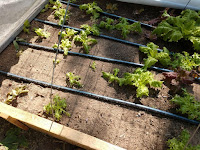
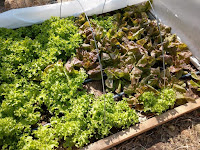
Jeff Schalau, an agent of agriculture for the University of Arizona, reported, “In my garden this year, the Mexican Sunflower (Tithonia rotundifolia) looks to have had serious allelopathic effects on my adjacent lettuce bed. The lettuce plants within four feet of the Tithonia are noticeably stunted.” 


(Picture of the affected lettuce)
(Plot growing the same lettuce seed but isolated from Tithonia)

Good thing I don’t grow lettuce. Although Tithonia can have negative effects on other plants (Schalau also mentions legumes and cereals), it appears that it is only within close proximity. In my own garden, beans and tomatoes were planted about 10 feet away from the Tithonia but produced great, as did chard, peas, and peppers.


So of what benefit is Tithonia? As the North Carolina state extension Gardener Toolbox discusses, one of its ecological positives is its role as a pollinator. It is commonly used in gardens to attract butterflies, hummingbirds, songbirds, and other pollinators. I remember in my garden last year I had to pick them early each day before the plants were covered with bees. 


Now that I know Tithonia better as a great pollinator and understand the precautions needed to decrease allelopathic effects, I will invite this beautiful flower back into my yard. Who knows? Maybe my wife and I will share 50 arrangements this year.