Showing posts with label bulbs. Show all posts

Friday, November 28, 2025

Amaryllis Magic: Winter Cheer

Winter is a magical time for indoor gardening, and the amaryllis stands out as one of the most stunning winter-blooming plants. Known for its impressive, large flowers that can range from pristine white to deep red, the amaryllis adds vibrant color to holiday decor and offers a rewarding gardening experience.

To begin your amaryllis journey, plant the bulb in the fall, ideally in late October or early November. This timing allows the plant to bloom beautifully during the winter months. 

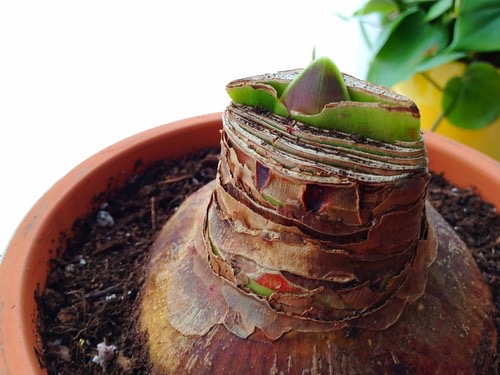
Select a healthy bulb from a reputable source and choose a pot that is about 1-2 inches wider than the bulb. Use a well-draining potting mix, and when potting, ensure that the top one-third of the bulb remains above the soil to prevent rot. Place the pot in a warm, bright location—around 70°F (21°C) is ideal. Water thoroughly after planting, making sure excess water can drain away.

As the plant grows, thick, sturdy stalks will emerge, followed by large, trumpet-shaped flowers. These blooms can last for several weeks, creating a cheerful atmosphere in your home. To maintain the plant’s appearance, remember to turn it regularly to ensure even light exposure and prevent it from leaning toward the light source.
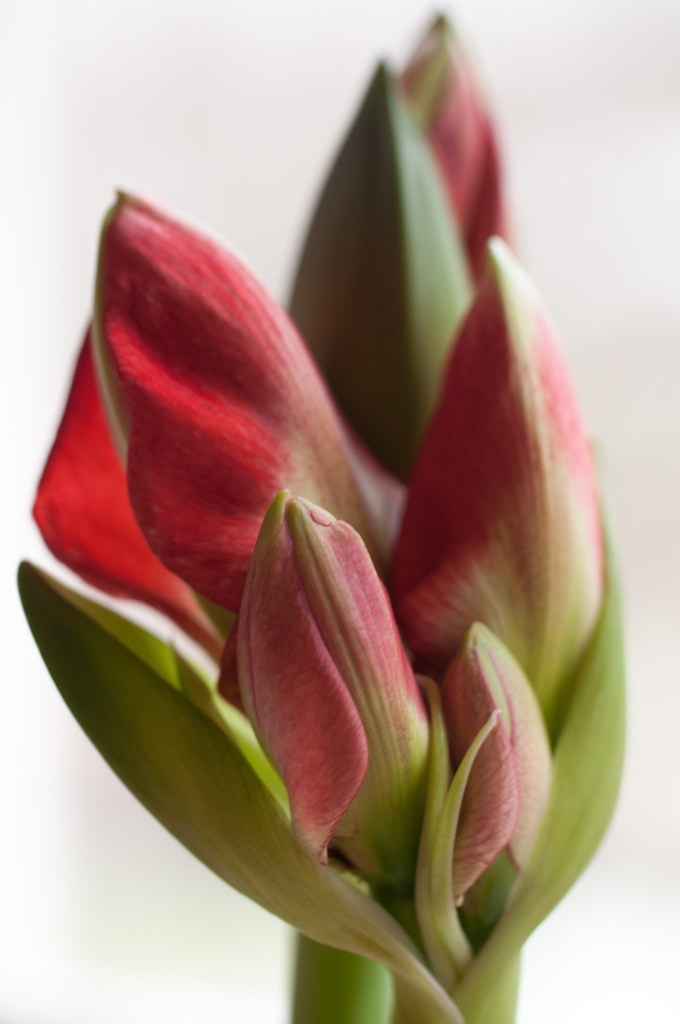
Once the flowers fade, proper care for the foliage is essential. Allow the leaves to die back naturally, as they play a crucial role in photosynthesis, storing energy in the bulb for future growth. When the leaves turn yellow and begin to wither, you can cut them back to the bulb.

For those looking for an easier option, waxed amaryllis bulbs have become increasingly popular. Coated in colorful wax, these bulbs require no soil or potting and can simply be displayed in bright, indirect light. The wax helps retain moisture, allowing the bulb to grow without the need for watering. While waxed bulbs are typically intended to be discarded after blooming, they can be revived with a bit of effort.
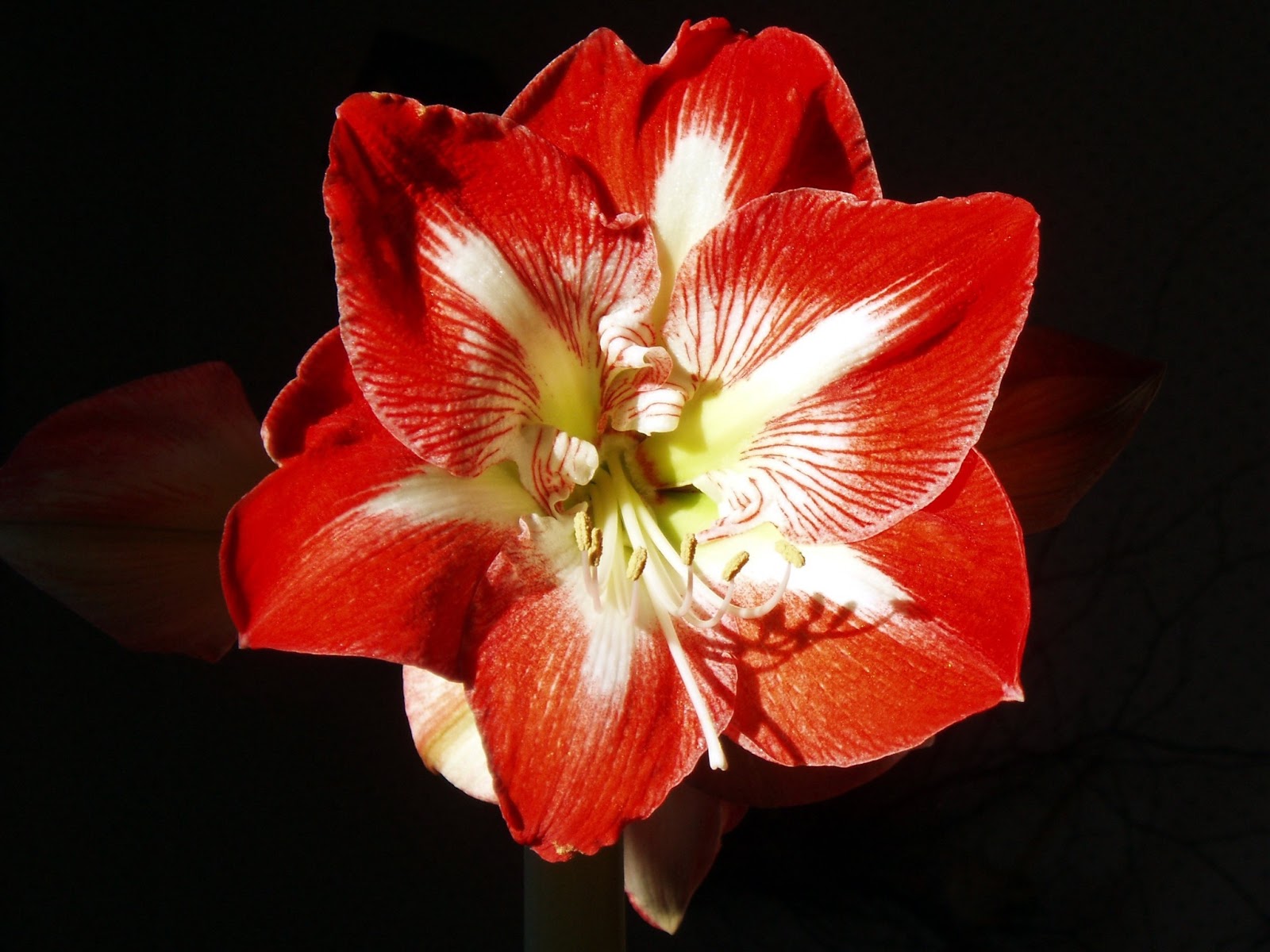
After the flowers fade, you can remove the wax and any wire from the bulb. If the bulb is still firm, you can plant it in a well-draining potting mix, treating it like a traditional amaryllis bulb. Plant it with the top one-third exposed above the soil, place it in a warm, bright location, and resume regular care. With proper attention, the bulb may produce new growth and bloom again.

If you choose to save a traditional amaryllis for next year, give it a resting period of about eight weeks in a cool, dark place after the blooms fade. Repot the bulb in fresh soil, lightly water it, and return it to a warm, bright location to stimulate new growth.

With the right care, both traditional and waxed amaryllis bulbs can bloom again, bringing joy and beauty to your home year after year. Understanding their unique needs—from planting in the fall to post-bloom care—allows you to enjoy the spectacular flowers of the amaryllis long after the holiday season has passed, making it a cherished addition to your indoor garden.

Friday, November 29, 2024

Amaryllis Magic: Winter Cheer

Winter is a magical time for indoor gardening, and the amaryllis stands out as one of the most stunning winter-blooming plants. Known for its impressive, large flowers that can range from pristine white to deep red, the amaryllis adds vibrant color to holiday decor and offers a rewarding gardening experience.

To begin your amaryllis journey, plant the bulb in the fall, ideally in late October or early November. This timing allows the plant to bloom beautifully during the winter months. 

Select a healthy bulb from a reputable source and choose a pot that is about 1-2 inches wider than the bulb. Use a well-draining potting mix, and when potting, ensure that the top one-third of the bulb remains above the soil to prevent rot. Place the pot in a warm, bright location—around 70°F (21°C) is ideal. Water thoroughly after planting, making sure excess water can drain away.

As the plant grows, thick, sturdy stalks will emerge, followed by large, trumpet-shaped flowers. These blooms can last for several weeks, creating a cheerful atmosphere in your home. To maintain the plant’s appearance, remember to turn it regularly to ensure even light exposure and prevent it from leaning toward the light source.

Once the flowers fade, proper care for the foliage is essential. Allow the leaves to die back naturally, as they play a crucial role in photosynthesis, storing energy in the bulb for future growth. When the leaves turn yellow and begin to wither, you can cut them back to the bulb.

For those looking for an easier option, waxed amaryllis bulbs have become increasingly popular. Coated in colorful wax, these bulbs require no soil or potting and can simply be displayed in bright, indirect light. The wax helps retain moisture, allowing the bulb to grow without the need for watering. While waxed bulbs are typically intended to be discarded after blooming, they can be revived with a bit of effort.

After the flowers fade, you can remove the wax and any wire from the bulb. If the bulb is still firm, you can plant it in a well-draining potting mix, treating it like a traditional amaryllis bulb. Plant it with the top one-third exposed above the soil, place it in a warm, bright location, and resume regular care. With proper attention, the bulb may produce new growth and bloom again.

If you choose to save a traditional amaryllis for next year, give it a resting period of about eight weeks in a cool, dark place after the blooms fade. Repot the bulb in fresh soil, lightly water it, and return it to a warm, bright location to stimulate new growth.

With the right care, both traditional and waxed amaryllis bulbs can bloom again, bringing joy and beauty to your home year after year. Understanding their unique needs—from planting in the fall to post-bloom care—allows you to enjoy the spectacular flowers of the amaryllis long after the holiday season has passed, making it a cherished addition to your indoor garden.

Friday, March 8, 2024

Shamrocks - So Many Lucky Choices...!

 Shamrocks have long been a symbol of 
Ireland and have even been considered a symbol of good luck. They are popular houseplants and fun gifts for friends and neighbors on St. Patrick’s Day. 
Shamrocks are easy to grow indoors if you follow these simple and easy to remember steps:

Light
Shamrocks prefer bright, indirect sunlight, be sure to place your plant in a window where it will receive plenty of light. Shamrocks will flower, even during winter, if they receive enough light. Each night the plant's leaflets fold up, then reopen in sunlight the following day.

Food
Shamrocks like food! Fertilize them regularly with either a liquid houseplant or a time-release fertilizer during their growing season. As always, we recommend following label instructions.

Iron Cross Shamrock
Soil
As a houseplant, they prefer moist soil. 
Avoid allowing your shamrock to dry out during the growing season.

Temperature
Give your shamrock a growing temperature between 50 and 70 °F during the growing season. They can be placed outside after danger of frost has passed and are a beautiful addition to your pots or in a grouping of pots.

Dormancy
Shamrocks have a dormant period. When your shamrock goes dormant, usually in late summer, don’t fret! Just place it in a cool, dry location out of direct sunlight for 2-3 months. The purple-leaf types  only need one month of dormancy.  

Since your shamrock grows from small bulbs, it is easy to divide and create new plants. Here's a short video showing how to propagate shamrocks.

Happy St. Paddy's Day to you!

Sunday, February 4, 2024

It's time to check your overwintering bulbs

If you are trying to overwinter bulbs (includes tubers, corms, and rhizomes) such as Dahlias, Tuberose, Amaryllis, Canna Lilies, Gladiolas - now is a great time to check them to see what condition they are in. Here are the main things to check:

#1 Check for Disease If bulbs are damaged in digging and not "cured" well while preparing them for storage, you can get a soft rot in them and it will spread from bulb to bulb, or tuber to tuber very fast. A fast way to check for this is to use your nose, the rot will give off a rather bad smell, once you detect the smell, then use your eyes to look for discolored material or material that is oozing and looks moist. Remove all bulbs that show the discolored symptom or are soft, you should also check with a master gardener to see is there is a fungicide that you can treat the ones not affected to protect them.
Canna lily rhizomes
Canna Lily
 #2 If you have put the bulbs in an organic bedding material, check it for moisture content - if it is damp that could increase problems with soft rot.

#3 Check the bulbs to see if they are wrinkling up which shows that they are drying out. Outside air can become very dry when it warms up causing a severe problem in over wintering your live material. 
Tubers such as dahlias are very prone to not surviving the winter unless they are in bedding material. If the bedding material is too dry,  it can allow the bulbs to dry out and die, of course if it is too damp then soft rot can be a problem. Newspaper works well for canna rhizomes as long as crinkled for good air space.
Gladiolus 
Gladiolus corms

#4 Check the temperature of the area you are storing them in. It should be less than 50 degrees F. and more than 40 degrees. It is very important that the bulbs do not freeze and if it gets too warm the bulb will start to grow and that can kill it. 
  
 Here's to beautiful blooms this coming year!

Friday, December 8, 2023

Fun Indoor Plants for the Holidays and Beyond

Cooler temperatures mark the end of the gardening season for many, but for people who love plants, winter is just an excuse to move our favorite hobby indoors. Your home can become a showcase of what can be grown indoors, and holiday seasonal plants can be a fun place to start. Let’s talk about some of the best holiday plants that can be enjoyed year-round if cared for properly.

One of my favorite indoor plants is the Norfolk Island pine, sometimes called the Star Pine. Araucaria heterophylla. This beautiful, coniferous tree grows slowly indoors and needs plenty of light. It may start as a tabletop Christmas Tree but, if correctly cared for over the years, this plant will grow into a small tree. It does best in a bright window and thrives with average water and humidity.

The most common winter Holiday plant, the Euphorbia pulcherrima, or Poinsettia, is a classic and is sold in various sizes in December. Care for your plant and it will reward you year after year. The bracts are what change color to form the traditional Christmas plant. Colors range from burgundy, purple, white, red, and pink with variations of solids, mottling, and variegation. 

This Poinsettia is native to Mexico and the legend of the plant goes something like this:
There was once a poor Mexican girl called Pepita who had no present to give the baby Jesus at the Christmas Eve Services. As Pepita walked sadly to the chapel her cousin Pedro tried to cheer her up. 'Pepita', he said, "I'm sure that even the smallest gift, given by someone who loves him, will make Jesus happy." Pepita didn't know what she could give, so she picked a small handful of weeds from the roadside and made them into a small bouquet. She felt embarrassed because she could only give this small present to Jesus. As she walked through the chapel to the altar, she remembered what Pedro had said. She began to feel better, knelt, and put the bouquet at the bottom of the nativity scene. Suddenly, the bouquet of weeds burst into bright red flowers, and everyone who saw them was sure they had seen a miracle. From that day on, the bright red flowers were known as the 'Flores de Noche Buena', or 'Flowers of the Holy Night'. The shape of the poinsettia flower and leaves are sometimes thought of as a symbol of the Star of Bethlehem which led the Wise Men to Jesus. The red-colored leaves symbolize the blood of Christ. The white leaves represent his purity.

Rosmarinus officinalis, commonly referred to as Rosemary, grows well as a Christmas-tree-shaped house plant and makes a nice tabletop or kitchen plant. Some people love the smell of Rosemary and having a fresh sprig to use for your holiday recipes is a bonus. Although not as vigorous as a Norfolk Island pine, it can be planted outside in the spring. This plant just needs a little water, and a happy window to look out if grown indoors.

A more traditional plant to grow indoors is the Schlumbergera spp, or Christmas cactus. With flowers that range from orange to pink to red and even purple, these plants do not require a lot of water, and are a good choice for plant owners who travel a lot. Here are some tips that will help initiate flowers in Christmas cactus.

Narcissus papyraceus or Paperwhites are closely related to Daffodils and are grown indoors. They are fragrant and easy to grow. Just pot them and place them in a window away from drafts and enjoy! A fun craft idea for kids is to buy a simple pot from any craft store and have them decorate and plant it for the holidays.

Another one of my favorites, which happens to be a bulb, is the Amaryllis. From the genus Hippeastrum, these bulbs are also native to South America. What I love about these bulbs is that they are so ridiculously easy to grow. Grab a shallow glass vase or pot, fill it with gravel, stick the bulb on top, give it some water, and watch it start growing. It takes about 6 weeks for it to bloom once it is planted. The colors are deep red to white with all types of variations in between. Because they can tolerate a lot of abuse, Amaryllis are a great indoor plant for college kids and people who have pets.

A relatively new one to the scene is Cupressus macrocarpa, or Lemon Cypress. This dwarf shrub, with chartreuse green foliage, can be grown in a pot and is a wonderful bright addition to your home. Potted cypresses need sunlight and are used to bright, sunny locations outdoors. Their soil should be kept moist but not wet and should not be allowed to dry out. A good test is to insert your finger into the pot down to the first knuckle and then remove it. If soil particles adhere to your fingertip, the plant does not need water at that time. Lemon Cypress can go outdoors and live as a containerized plant or be planted in the ground in USDA zones 7 to 10. 

So, while gardening outdoors may have been placed on pause for the winter, above are several plants that I hope will inspire you to keep growing through the Holiday Season and long afterward.

Thursday, March 9, 2023

Growing Shamrocks for St. Patrick's Day

Shamrocks have long been a symbol of Ireland and have even been considered a symbol of good luck. They are popular houseplants and fun gifts for friends and neighbors on St. Patrick’s Day. Shamrocks are easy to grow indoors if you follow these simple and easy to remember steps:

Light
Shamrocks prefer bright, indirect sunlight, be sure to place your plant in a window where it will receive plenty of light. Shamrocks will flower, even during winter, if they receive enough light. Each night the plant's leaflets fold up, then reopen in sunlight the following day.

Food
Shamrocks like food! Fertilize them regularly with either a liquid houseplant or a time-release fertilizer during their growing season. As always, we recommend following label instructions.

Soil
As a houseplant, they prefer moist soil. Avoid allowing your shamrock to dry out during the growing season.

Temperature
Give your shamrock a growing temperature between 50 and 70 °F during the growing season. They can be placed outside after danger of frost has passed and are a beautiful addition to your pots or in a grouping of pots.

Dormancy
Shamrocks have a dormant period. When your shamrock goes dormant, usually in late summer, don’t fret! Just place it in a cool, dry location out of direct sunlight for 2-3 months. The purple-leaf types only need one month of dormancy.

Since your shamrock grows from small bulbs, it is easy to divide and create new plants. Here's a short video showing how to propagate shamrocks.


Happy St. Paddy's Day to you!

Saturday, March 12, 2022

Get your Shamrocks for St. Paddy's Day!

Shamrocks represent good luck and are a 
popular house plant, especially around Saint Patrick’s Day when they are in stores everywhere! Shamrocks are easy to grow if you follow these five simple and easy to remember step
·       Shamrocks prefer direct sunlight, be sure to place your plant in a window where it will receive plenty of light. Shamrocks will flower, even during winter, if they receive enough light. Each night the plant's leaflets fold up , then reopen in sunlight the following day.
·       Shamrocks like food! Fertilize them regularly with either a liquid houseplant or time release fertilizer during their 
     growing season- always following label instructions.
·     As a houseplant, they prefer moist soil. Avoid allowing your shamrock to dry out during the growing season.
·       Give your shamrock a growing temperature between 50 and 70 °during the growing season. They can be placed outside after danger of frost has passed and are a beautiful addition to your pots or in a grouping of pots.
·       Shamrocks have a dormant period. When your shamrock
 goes dormant, usually in late summer, don’t fret! Just place 
it in a cool, dry location out of direct sunlight for 2-3 months. The purple-leaf types only need one month of dormancy!

Since your shamrock grows from small bulbs, it's easy to divide and create new plants. Here's a short video with how-to steps for propagating.  

Happy St. Paddy's Day to you!

Saturday, December 4, 2021

So-o-o many choices for growing Indoors for the Holidays

For some, cooler temperatures mark the end of the gardening season, but for those of us who love plants, we know that we just change the locale of where we work. In the spring and summer, we work outdoors; in the fall and winter, we move indoors. My home has become an indoor showcase of what can be grown indoors in the winter. Holiday decorations can be augmented with living plants of various types.

One of my favorites includes the Norfolk Island pine, sometimes called the Star Pine. Araucaria heterophylla is a beautiful, coniferous tree that grows slowly indoors and needs plenty of light. You may receive this as a table top Christmas tree and, if correctly cared for, over the years, this plant will grow into a small tree. It does best in a bright window, and thrives with average water and humidity.
The most common winter holiday plant, the Euphorbia pulcherrima, or Poinsettia, will, contrary to popular belief, not make you sick if you eat it, although I am unsure why you would want to. Care for your plant and it will reward you year after year. The bracts are what change color to form the traditional Christmas plant. Colors range from burgundy, purple, white, red, and pink with variations of solids, mottling, and variegation. Native to Mexico, the legend of the plant goes something like this:
There was once a poor Mexican girl called Pepita who had no present to give the baby Jesus at the Christmas Eve Services. As Pepita walked sadly to the chapel her cousin Pedro tried to cheer her up. 'Pepita', he said, "I'm sure that even the smallest gift, given by someone who loves him, will make Jesus happy."  Pepita didn't know what she could give, so she picked a small handful of weeds from the roadside and made them into a small bouquet. She felt embarrassed because she could only give this small present to Jesus. As she walked through the chapel to the altar, she remembered what Pedro had said. She began to feel better, knelt down and put the bouquet at the bottom of the nativity scene. Suddenly, the bouquet of weeds burst into bright red flowers, and everyone who saw them were sure they had seen a miracle. From that day on, the bright red flowers were known as the 'Flores de Noche Buena', or 'Flowers of the Holy Night'.  The shape of the poinsettia flower and leaves are sometimes thought as a symbol of the Star of Bethlehem which led the Wise Men to Jesus. The red colored leaves symbolize the blood of Christ. The white leaves represent his purity.

Rosmarinus officinalis, commonly referred to as Rosemary, grows well as a Christmas-tree-shaped house plant and makes a nice table top or kitchen plant. Some people love the smell of Rosemary and having a fresh sprig to use for your holiday recipes is an added bonus. Although not as vigorous as a Norfolk Island pine, it can be planted outside in the spring. This plant just needs a little water, and a happy window to look out if grown indoors.

Another more traditional plant to grow indoors is the Schlumbergera spp, or Christmas cactus. With flowers that range from orange to pink to red and even purple, these plants do not require a lot of water, and can handle me forgetting to tend to them if I am out of town for the holidays. Here are some tips that will help initiate flowers in Christmas cactus.
Narcissus papyraceus or Paperwhites are closely related to Daffodils, and are grown indoors. They are fragrant, and easy to grow. Just pot them up and place them in a window away from drafts and enjoy! A pot from any craft store can easily be decorated for the holidays and used to brighten up any room, which also makes it a great craft idea and can be a fun project to do with children!
Another one of my favorites, which happens to be a bulb, is the Amaryllis. From the genus Hippeastrum, these bulbs are also native to South America. What I love about these bulbs is that they are so ridiculously easy to grow. Grab a shallow glass vase or pot, fill it with gravel, stick the bulb on top, give it some water, and watch it start growing. It takes about 6 weeks for it to bloom once it is planted. The colors are deep red, to white with all types of variations in-between. They tolerate abuse from animals, too. I had an Amaryllis named Jar-jar in my apartment in college with 5 other roommates and it did quite well.
https://www.mygardeninsider.com/the-gardeners-library/3671/cupressus/macrocarpa/goldcrest
A relatively new one to the scene is Cupressus macrocarpa, or Lemon Cypress. This dwarf shrub, with chartreuse green foliage, can be grown in a pot and is a wonderful bright addition to your home. 
Potted cypresses need sunlight and are used to bright, sunny locations outdoors. Their soil should be kept moist but not wet and should not be allowed to thoroughly dry. A good test is to insert your finger into the pot down to the first knuckle and then remove it. If soil particles adhere to your fingertip, the plant does not need water at that time. Lemon cypress can go outdoors and live as a containerized plant or be planted in the ground in USDA zones 7 to 10.
So, while the gardening outdoors may have been placed on pause for the winter, above are several plants that I hope will inspire you to keep growing through the holiday season and long afterwards.

Sunday, February 28, 2021

Shamrock luck!

Shamrocks  are for  good luck and are a popular house plant, especially during St. Patrick’s Day. 

Shamrocks are easy to grow if you follow these five simple and easy to remember steps:
·       Shamrocks prefer direct sunlight, be sure to place your plant in a window where it will receive plenty of light. Shamrocks will flower, even during winter, if they receive enough light. Each night the plant's leaflets fold up , then reopen in sunlight the following day.
·       Shamrocks like food! Fertilize them regularly with either a liquid houseplant or time release fertilizer during their growing season- always following label instructions.
·     As a houseplant, they prefer moist soil. Avoid allowing your shamrock to dry out during the growing season.
·       Give your shamrock a growing temperature between 50 and 70 °during the growing season. They can be placed outside after danger of frost has passed and are a beautiful addition to your pots or in a grouping of pots.
·       Shamrocks have a dormant period. When your shamrock
 goes dormant, usually in late summer, don’t fret! Just place 
it in a cool, dry location out of direct sunlight for 2-3 months. The purple-leaf types only need one month of dormancy!

Since your shamrock grows from small bulbs, it's easy to divide and create new plants. 

Here's a short video with how-to steps for propagating
Happy St. Paddy's Day to you!

Sunday, February 7, 2021

How are your overwintering bulbs: Dahlias, Cannas, Gladiolas, and more...?

Dahlia
If you are trying to overwinter bulbs (includes tubers, corms, and rhizomes) such as Dahlias, Tuberose, Amaryllis, Canna Lilies, Gladiolas - now is a great time to check them to see what condition they are in. Here are the main things to check:

#1 Check for Disease If bulbs are damaged in digging and not "cured" well while preparing them for storage, you can get a soft rot in them and it will spread from bulb to bulb, or tuber to tuber very fast. A fast way to check for this is to use your nose, the rot will give off a rather bad smell, once you detect the smell, then use your eyes to look for discolored material or material that is oozing and looks moist.
Remove all bulbs that show the discolored symptom or are soft, you should also check with a master gardener to see is there is a fungicide that you can treat the ones not affected to protect them.

Canna lily rhizomes
Canna Lily
 #2 If you have put the bulbs in an organic bedding material, check it for moisture content - if it is damp that could increase problems with soft rot.

#3 Check the bulbs to see if they are wrinkling up which shows that they are drying out. Outside air can become very dry when it warms up causing a severe problem in over wintering your live material. 

Tubers such as dahlias are very prone to not surviving the winter unless they are in bedding material. If the bedding material is too dry,  it can allow the bulbs to dry out and die, of course if it is too damp then soft rot can be a problem.
Gladiolus corms

#4 Check the temperature of the area you are storing them in. It should be less than 50 degrees F. and more than 40 degrees. It is very important that the bulbs do not freeze and if it gets too warm the bulb will start to grow and that can kill it.

For more information on growing flowers, contact your local University of Idaho Extension office!