Showing posts with label Mint. Show all posts

Friday, June 26, 2026

Verticillium Wilt, a Soil Pathogen

Verticillium wilt is a soil-borne pathogen that affects 300+ plant species. The name is derived from two types of fungus: Verticillium albo-atrum and Verticillium dahliae. Trees, crops and woody ornamentals can all succumb to this devastating fungal disease. Plants affected with verticillium wilt may decline or die.
Annual plants often die quickly, while large trees may experience a slow decline over several years. In Idaho we commonly see verticillium wilt affect maple and ash trees, elderberry, lilac, viburnum, roses, tomatoes, potatoes, mint and peppers, just to name a few. It is also an important disease in Idaho potato production and landscape trees.

This fungus starts in the soil and infects plant roots. It then spreads through the plant’s vascular system, affecting the xylem and its ability to take up water and transport nutrients. The fungus survives in the soil as tiny resting structures (microsclerotia), which can persist for many years, even without a host plant.

Symptoms The infection is marked by sudden wilting of branches, often on one side of the plant. Other common symptoms include faded green or yellowing foliage, browning leaf edges, and stunted growth. You will eventually see dieback in branches.

During periods of heat or drought stress, symptoms often become more noticeable. Plants may wilt even when soil moisture is adequate.

If you cut open a branch of an infected plant, you may notice dark staining following the wood grain—an indicator of vascular involvement.

Quick identification tips:

  • Wilting on only one side of the plant or branch
  • Yellowing or browning leaves
  • Branch dieback
  • Dark streaking in the sapwood

Note: Verticillium wilt can be confused with drought stress, herbicide damage, or other diseases such as Fusarium wilt. A laboratory diagnosis is sometimes needed for confirmation.

How Does it Spread? Verticillium wilt is primarily spread through contaminated soil and plant material. The fungus moves when infested soil is transported on tools, shoes, plant roots, or transplants. It can also spread through root contact between plants and by moving soil with water runoff or equipment. The disease is rarely spread aboveground. Insects such as aphids may stress plants or create wounds, but they are not considered a primary means of spreading this disease.

How to Manage Verticillium Wilt In most cases, it is best to remove infected plants, as there is no cure once a plant is infected. If there is limited dieback in tree branches, a certified arborist may be able to prune out affected wood. If you remove affected branches, be sure to clean your pruners between cuts to avoid spreading contaminated soil or plant material.

You can sanitize tools with a 10% bleach solution (1 part household bleach to 9 parts water). Keep in mind bleach solutions lose effectiveness over time and can be corrosive to tools, so rinse and dry tools after use.

Verticillium can remain in the soil for many years, so replanting requires careful plant selection. Choose plant species that are resistant or less susceptible to verticillium wilt.

Crop rotation for 3–5 years may help reduce disease pressure, especially in vegetable gardens, but it may not eliminate the fungus due to its long survival in soil.

Additional management tips:

  • Avoid planting highly susceptible species in infested areas
  • Rotate with non-host plants such as grasses when possible
  • Maintain healthy soil and proper irrigation—stressed plants are more susceptible
  • Avoid damaging roots during planting or cultivation
  • Remove and dispose of infected plant material (do not compost unless at high temperatures)

For vegetables like tomatoes, look for resistant varieties labeled “V” or “VFN.”


Friday, September 6, 2024

Enjoy the Pleasure of Homegrown Tea

Imagine savoring a cup made from your own garden's bounty, crafted from dried leaves and blossoms of beautiful seasonal plants. With a bit of planning and knowledge, you can create a tea garden that provides a personalized tea blend year-round. Here’s a guide to some delightful tea plants and tips for cultivating them:

Lavender
(Lavandula angustifolia)
Part Used: Buds
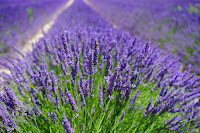
Lavender is not only a charming addition to your garden but also a source of relaxing tea. This plant thrives in full sun and alkaline soil, and it's relatively low maintenance. English lavender is hardy to Zone 5, blooms twice a year, and is drought tolerant. Annual pruning is essential to keep the plant healthy. Lavender is generally pest-resistant, though it can be prone to soil diseases like Phytophthora, so ensure proper drainage and avoid waterlogging.
Harvesting: Pick the flowers and buds when they are one-third to fully open. Hang them in a cool, dry, and shaded area to dry.
Brewing Tip: To brew a calming lavender tea, steep fresh or dried buds in hot water until it reaches your desired strength. Enhance the flavor with a touch of honey for added sweetness.

Mint
(Mentha sp.)
Part Used: Leaves
Mint offers a variety of flavors depending on the variety. Spearmint is a delicious tea, while peppermint provides a sweeter taste. Other options include apple mint, chocolate mint, and orange mint. Mint is a vigorous grower that can spread rapidly, so it’s best to grow it in containers or confined beds to prevent it from overtaking your garden.
Harvesting: Pick the leaves during the summer and dry them for year-round use.
Brewing Tip: Brew dried mint leaves for a refreshing iced tea in summer or a comforting warm tea in the colder months.

Calendula (Calendula officinalis)
Part Used: Petals
Calendula's vibrant yellow and orange blooms brighten any garden while offering a flavorful tea.
Harvesting: Dry the petals after picking them to preserve their flavor.
Brewing Tip: Infuse dried calendula petals with hot water and steep to your preferred taste.

Lemon Balm
(Melissa officinalis)
Part Used: Leaves
Lemon balm adds a delicate lemon flavor to tea and is an easy-to-grow perennial. It prefers full sun to partial shade and produces subtle white, pale yellow, or pink flowers. To control its spread, regular pruning is necessary to prevent it from seeding everywhere.
Harvesting: Collect and dry the leaves for use throughout the year.
Brewing Tip: Combine lemon balm leaves with other dried herbs like oat straw, rose hips, orange peel, and lavender for a delightful blend that brightens even the dreariest fall day.

Chamomile
(Chamaemelum nobile)
Part Used: Buds
Chamomile’s tiny, daisy-like flowers are perfect for a calming tea. Hardy to Zone 3, this plant prefers light, dry soil and is easy to grow. The two most common types for tea are German chamomile (Matricaria recutita) and Roman chamomile (Chamaemelum nobile).
Harvesting: Pick the buds from June to August and dry them for later use.
Brewing Tip: Combine fresh chamomile buds with boiling water, apple slices, and a touch of honey for an, aromatic tea on chilly fall evenings.

By cultivating these herbs, you can enjoy the pleasure of homegrown tea throughout the year. Happy gardening and brewing!


Note: This information is intended for educational purposes only and has not been evaluated by the Food and Drug Administration.


Friday, July 7, 2023

Grow a Tea Garden for Year-Round Tea

During the heat of summer, we dream of crisp fall evenings with a steaming mug of home-grown tea, made from the dried leaves and buds of some of the season’s most beautiful floral displays. With a little know-how and pre-planning, growing a tea garden can enable you to make your own blend of tea year-round. Here are some wonderful tea options and tips for growing them properly:

Lavender (Lavendula angustifolia): (Buds are used for tea.) Lavender is fairly simple to care for, can provide a beautiful addition to your landscape, and attract beneficial pollinators. English lavender is cold hard to Zone 5, can bloom twice in a single season, and is considered drought tolerant. Preferring full sun and alkaline soils, lavender needs to be pruned annually after the plant has been established. The plants have very few pests or disease problems. However, they can be susceptible to soil diseases such as Phytophthora, so it is important to water carefully and not create standing water around the plant. Harvest the flowers and buds for drying when they are one-third to fully open and hang them in a cool, airy, shaded room. To make a relaxing lavender tea, combine hot water with fresh or dried buds, then steep until you reach your desired flavor. For a bit of sweetness, add a few drops of honey.

Mint (Mentha sp.): (Leaves are used for tea.) There are several mint varieties to choose from, each providing a unique flavor to brewed tea. Spearmint makes a soothing tea, while peppermint makes a sweeter tea. A visit to a local nursery will likely present you with choices like apple mint, chocolate mint, and orange mint. A very hardy, prolific plant, mint can quickly take over surrounding garden and landscape areas. To keep this eager spreader under control, try growing it in containers or confining it to a bed with metal or plastic edging. Harvest the leaves and dry them in summer, then steep dried leaves for tea year-round. Iced mint tea can be very refreshing during hot months, and warm mint tea is soothing in fall and winter.

Calendula
: (Petals are used for tea.) A member of the daisy family, these beautiful yellow and orange flowers add long-lasting color to any flower bed or container. Their frost tolerance, somewhat cold, hardy nature, and propensity to draw aphids away from other garden plants make them great companion plants for many of those well-loved vegetables growing nearby. Simply pour hot water over the dried flowers and let steep to your desired flavor intensity.

Lemon balm ((Melissa officinalis): (Leaves are used for tea.) Adding a lovely, gentle lemon flavor, lemon balm is an easy-to-grow perennial, that tolerates full sun to partial shade and produces delicate white, pale yellow, or pink flowers. Though, if you are interested in controlling this prolific plant, pruning to ensure that it does not set and drop seed is key. Combined with other dried ingredients, including oat straw, rose hip, orange peel, and lavender, a cup of lemon balm tea can lift the mood on a cloudy, rainy fall day.

Chamomile (Chamaemelum nobile): (Buds are used for tea.) From June to August, the tiny, delicate daisies of chamomile are a wonderful perennial addition to any garden scape. Hardy to Zone 3, and loving light, dry soil, chamomile is fairly easy to grow. Two of the most common chamomiles used for tea are German chamomile (Matricaria recutita) and Roman chamomile (Chamaemelum nobile). Fresh chamomile buds can be combined with boiling water, apple slices, and a bit of honey for a calming, warm hug on those crisp fall evenings.

For educational purposes only. This information has not been evaluated by the Food and Drug Administration.

Monday, August 7, 2017

Tea Gardening

Will we ever see cool weather again?

As the heat of summer peaks, I dream of those crisp fall evenings, sitting on the back deck as the sun begins to tuck behind the western sky, and I look out over the garden beds all tucked in and ready for the coming winter.  In my hand is a steaming mug of home-grown tea, made from the dried leaves and buds of some of the season’s most beautiful floral displays.  With a little know-how and pre-planning, growing your own tea garden can enable you to mix up just the right balance of flavors to suit your taste and is something that can be harvested and enjoyed year-round.  Some of the tastiest, and easiest, herbs to grow for tea are:
Purple flowered stalks
Lavender
Lavender (Lavendula angustifolia): (Buds) Fairly simple to care for, lavender can provide a beautiful addition to your landscape and attract beneficial pollinators to your green spaces.  English lavender is cold hard to Zone 5, can bloom twice in a single season, and is considered drought tolerant.  Preferring full sun and alkaline soils, lavender needs to be pruned annually after the plant has established. The plants have very few pests or disease problems.  However, they can be susceptible to soil diseases such as Phytophthora, so it is important to water carefully and not standing water around the plant.  Harvest the flowers and buds for drying when they are one-third to fully open and hang them in a cool, airy, shaded room.  To make a relaxing lavender tea, combine hot water with fresh or dried buds steep until you reach your desired flavor.  For a bit of sweetness, add a few drops of honey. 
Mint (Mentha sp.) (Leaves) There are a number of mint varieties to choose from, each providing a unique flavor to brewed tea.  Spearmint makes a soothing tea, while peppermint makes a sweeter tea.  A visit to a local nursery will likely present you with choices like apple mint, chocolate mint, and orange mint.  A very hardy, prolific plant, mint can quickly take over surrounding garden and landscape areas.  To keep this eager spreader under control, try growing it in containers or confining it to a bed with metal or plastic edging. Cold mint tea can be oh so refreshing during these hot months, while now is the time to also harvest and dry the leaves to be brewed up for a simple, yet delicious, hot tea as cooler temperatures make their way to the valley.
Calendula: (petals) A member of the daisy family, these beautiful yellow and orange flowers add long-lasting color to any flower bed or container.  Their frost tolerance and somewhat cold hardy nature, as well as their propensity to draw aphids away from other garden plants make them great companion plants for many of those well-loved vegetables growing nearby.  Simply pour hot water over the dried flowers and let steep to your desired flavor intensity.
Lemon balm ((Melissa officinalis): (Leaves) Adding a lovely, gentle lemon flavor, lemon balm is an easy-to-grow perennial, that tolerates full sun to partial shade and produces delicate white, pale yellow, or pink flowers.  Though, if you are interested in controlling this prolific plant, pruning to ensure that it does not set and drop seed is key.  Combined with other dried ingredients, including oat straw, rose hip, orange peel, and lavender, a cup of lemon balm tea can lift the mood on a cloudy, rainy fall day.
White flowers with yellow centers
Chamomile
Chamomile ((Chamaemelum nobile)): (Buds) From June to August, the tiny, delicate daisies of chamomile are a wonderful perennial addition to any tea gardener’s gardenscape.  Hardy to Zone 3, and loving light, dry soil, chamomile is fairly easy to grow. Two of the most common chamomiles used for tea are German chamomile (Matricaria recutita) and Roman chamomile Chamaemelum nobile.  Fresh chamomile buds can be combined with boiling water, apple slices, and a bit of honey for a calming, warm hug on those crisp fall evenings.
For educational purposes only.  This information has not been evaluated by the Food and Drug Administration.
Click on the following active links for more information and helpful resources about these and a multitude of other herbs excellent for cultivating a tasty tea garden, and cultivation, propagation, harvesting, and preservation.