Showing posts with label USDA. Show all posts

Friday, September 26, 2025

“Leave the Leaves” vs. Fall Cleanup

Leave the Leaves vs. Fall Cleanup - Is It Contradictory?
Each fall, gardeners in Southwest Idaho face the same choice: clear out leaves, stalks, and seed heads—or leave them in place for wildlife. At first glance, the advice seems to conflict. In practice, both approaches are grounded in science. The key is knowing what to remove and what to keep.

Why Cleanup Still Matters

Some plant debris harbors pests and pathogens that overwinter in our climate. Powdery mildew can persist on cucurbits and peonies; tomato blight can linger in stems and fallen fruit; rust fungi hang on in hollyhock stalks. Insects like squash bugs and grasshoppers survive in crop debris or soil. If this material remains, it becomes a ready source of infection or infestation in spring. Removing diseased or infested debris in fall reduces inoculum and pest pressure for the following season.


What about composting? 

Most plant pathogens are inactivated at sustained hot-compost temperatures around 131–140°F for several days. However, many weed seeds and tougher pathogens need higher and longer exposure—often 150–160°F with thorough turning so all materials pass through the hot core. If your backyard pile doesn’t reliably reach and hold those temps, it’s safest to bag diseased plants and noxious weeds rather than compost them.

Why We Also “Leave the Leaves”

At the same time, many beneficial insects and birds depend on fall’s “messiness.” Research and field observations show that native bees and other insects overwinter in hollow or pithy stems and within leaf litter. Seed heads from plants like coneflower, rudbeckia, and native grasses feed birds through winter. Decomposing leaves improve soil structure and organic matter—especially helpful in our typically lean, alkaline Intermountain soils.

Finding the Balance

Think “tidy where you must, messy where you can.”

    Remove: Blight-infected tomato vines, mildew-covered cucurbits, rusted stalks, and obviously infested material. Dispose rather than compost unless your pile truly runs hot and is turned.

    Leave: Healthy seed heads and stems for winter structure, food, and habitat. A thin layer of leaves beneath shrubs, trees, and perennials helps insulate soil and shelter beneficials.

    Modify: Clear leaves from lawns and hardscapes to prevent turf smothering and slick surfaces, but keep some in beds and wild corners.

    Local Timing Tips

    Wait for dormancy before major cutback—typically late October into November. Leaves retained under woody plants conserve soil moisture through our dry winters. In early spring, cut back the stems you left standing before new growth begins; by then, most overwintering insects have emerged.

    Takeaway

    “Leave the Leaves” and fall cleanup aren’t opposites—they’re complementary. Remove the problem material; keep the habitat. That balance supports pollinators, birds, soil life, and a healthier garden next season.

    Resources:


    https://blog.nwf.org/2024/09/how-fallen-leaves-support-moths-and-butterflies


    https://www.usda.gov/about-usda/news/blog/fall-leave-leaves


    https://www.nwf.org/Home/Latest-News/Press-Releases/2025/9-16-2025-Leave-the-Leaves-Survey

    Monday, October 22, 2018

    Troubles with your Summer Lawn


    The Turf/Tree Team recently had a couple of site visits where our clients are having issues with their lawns. The 1st was fungal issue called Brown Patch, where the grass looked dead and the 2nd issue was an over watering issue where it was impacting his lawn. We also believe the over watering was also impacting the surrounding trees that were under stress. We’ll cover both issue and talk about how to avoid these problems going forward.


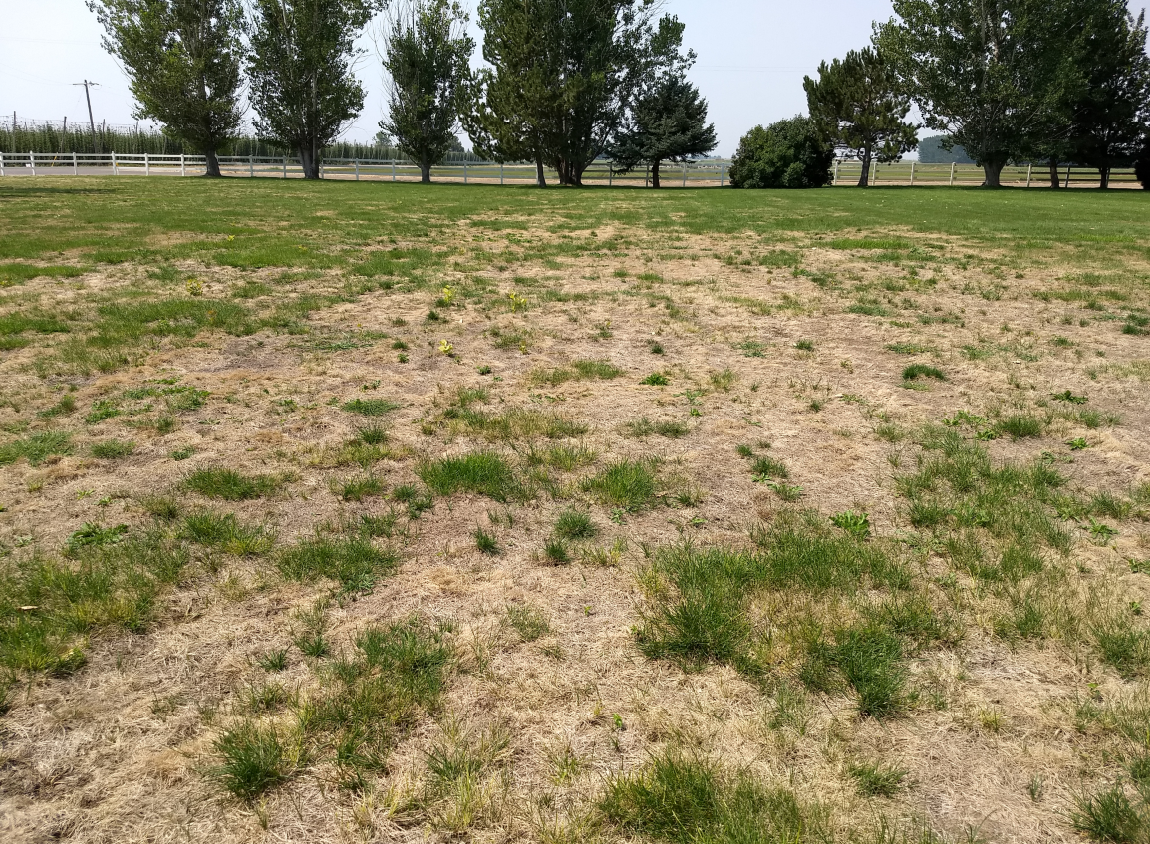
    Let’s look at Brown Patch impacting a large area of the local neighbors lawn:
        
          No insect problems, just a fungal issue.


    Our client swore she was having insect problem, but after we pulled up a large sample of the impacted lawn and took it back to office for analysis. We found both the crown and roots to be intact,  we also found no insect issue, because most insects such as billbugs would be eating away on roots and crown.
    What we did find was good soil full of worm eggs and casting and a lot of small roly-polies. The grass though was thin with large patches of light brown grass. Our client had many unfavorable conditions that were going on from overwatering, from causing humidity levels to spike, to having a lawn service come out for multiple fertilizer applications to her lawn. All this added up for a severe case of Brown Patch to develop.  
    So we followed up by researching from multiple educational websites that address Brown Patch and how to prevent Brown Patch from happening next year. Those articles included attention to cultural practices, such as avoiding excess nitrogen during the summer heat, which can contribute to reducing disease pressure and help improve fungicide performance on intensively managed turf. Improving air circulation and scheduling irrigation times to avoid long dew periods to also help suppress Brown Patch outbreaks.
    There are also numerous effective fungicides that are registered for Brown Patch control. When selecting a fungicide, be aware of other turf disease threats and apply fungicides for these threats at the same time to minimize costs and other potential disease problems.


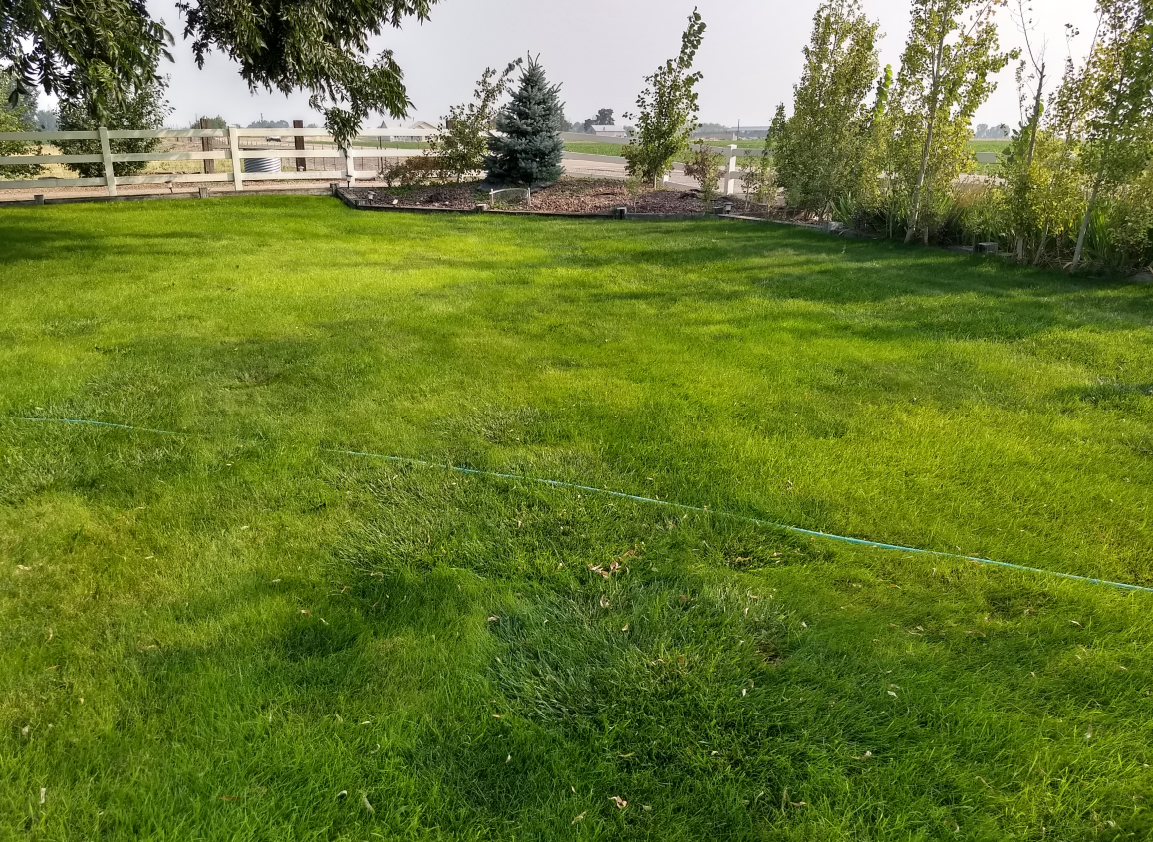
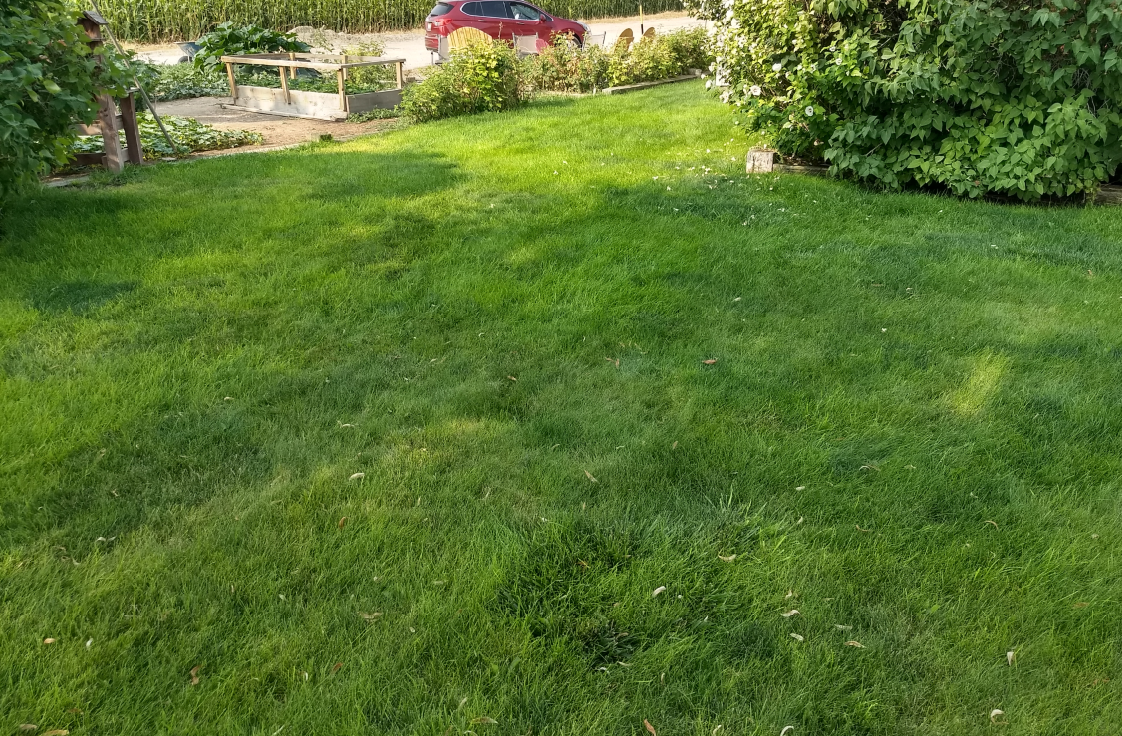
    Our next site visit took us out to West Caldwell where the client was having what appeared to be dieback on multiple trees such as Ash, Pecan and Willow. At the time we didn’t have a answer for his tree problems. But after walking around his lawn area looking at the trees, we notice how soft and spongy the lawn felt. Looking around closer, we found large areas of yellowing grass and when we bent over and tugged at the lawn, we felt the crown area separating from the soil surface. We then ask about his watering and fertilizing schedule. We found out he was watering for nearly hour in each zone every other day and his local lawn care service was out frequently applying multiple applications.


              Light Yellowing of grass blades


    We talked for awhile about how much water his lawn really needs during the summer months and that his lawn care service may be over doing it. He did turn off the watering station to allow his lawn to dry out some while we were there.
    When we got back to office we followed up by putting together a Lawn Maintenance Schedule that included how often to water and what his lawn fertilizing needs were for a whole year. He seemed pretty happy with the follow-up schedule. We also sent an older article we found from USDA where over applying the amount of Nitrogen could be causing problems with his Pecan tree. Even though I wouldn’t rule out the 3 story tall tree house surrounding the pecan tree, it may also be impacting on the life of tree.

    So far this summer the Turf/Tree Team has been fairly busy with site visits and providing research based answers to the clients. They have enjoyed the opportunity to provide this service which is part of the Master Gardener Program, Canyon County Extension of the University of Idaho.