Friday, November 28, 2025

Amaryllis Magic: Winter Cheer

Winter is a magical time for indoor gardening, and the amaryllis stands out as one of the most stunning winter-blooming plants. Known for its impressive, large flowers that can range from pristine white to deep red, the amaryllis adds vibrant color to holiday decor and offers a rewarding gardening experience.

To begin your amaryllis journey, plant the bulb in the fall, ideally in late October or early November. This timing allows the plant to bloom beautifully during the winter months. 

Select a healthy bulb from a reputable source and choose a pot that is about 1-2 inches wider than the bulb. Use a well-draining potting mix, and when potting, ensure that the top one-third of the bulb remains above the soil to prevent rot. Place the pot in a warm, bright location—around 70°F (21°C) is ideal. Water thoroughly after planting, making sure excess water can drain away.

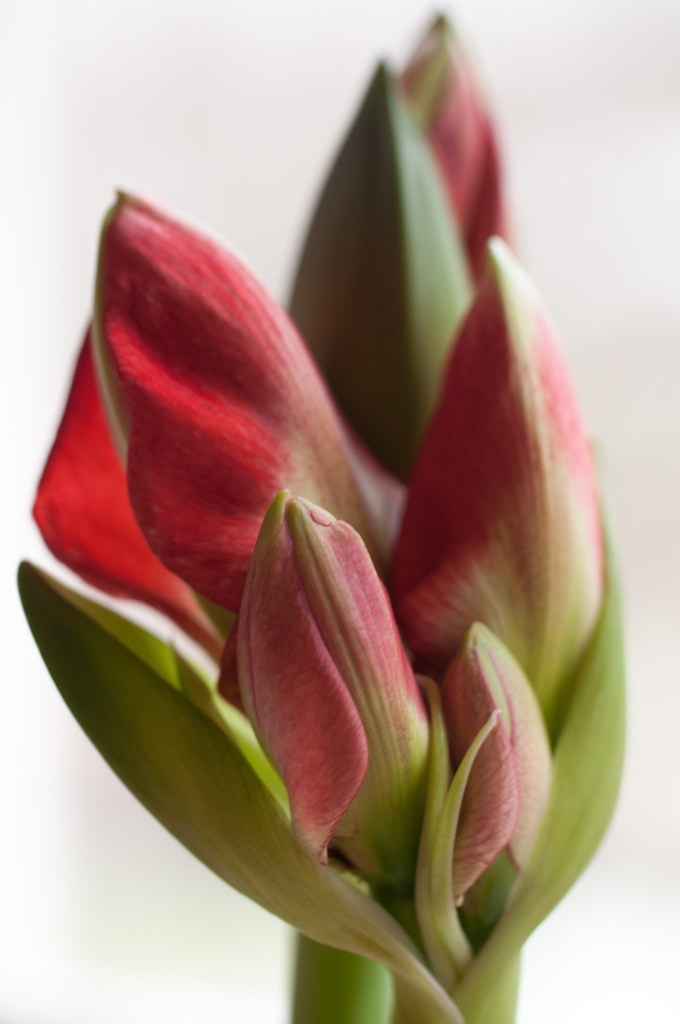
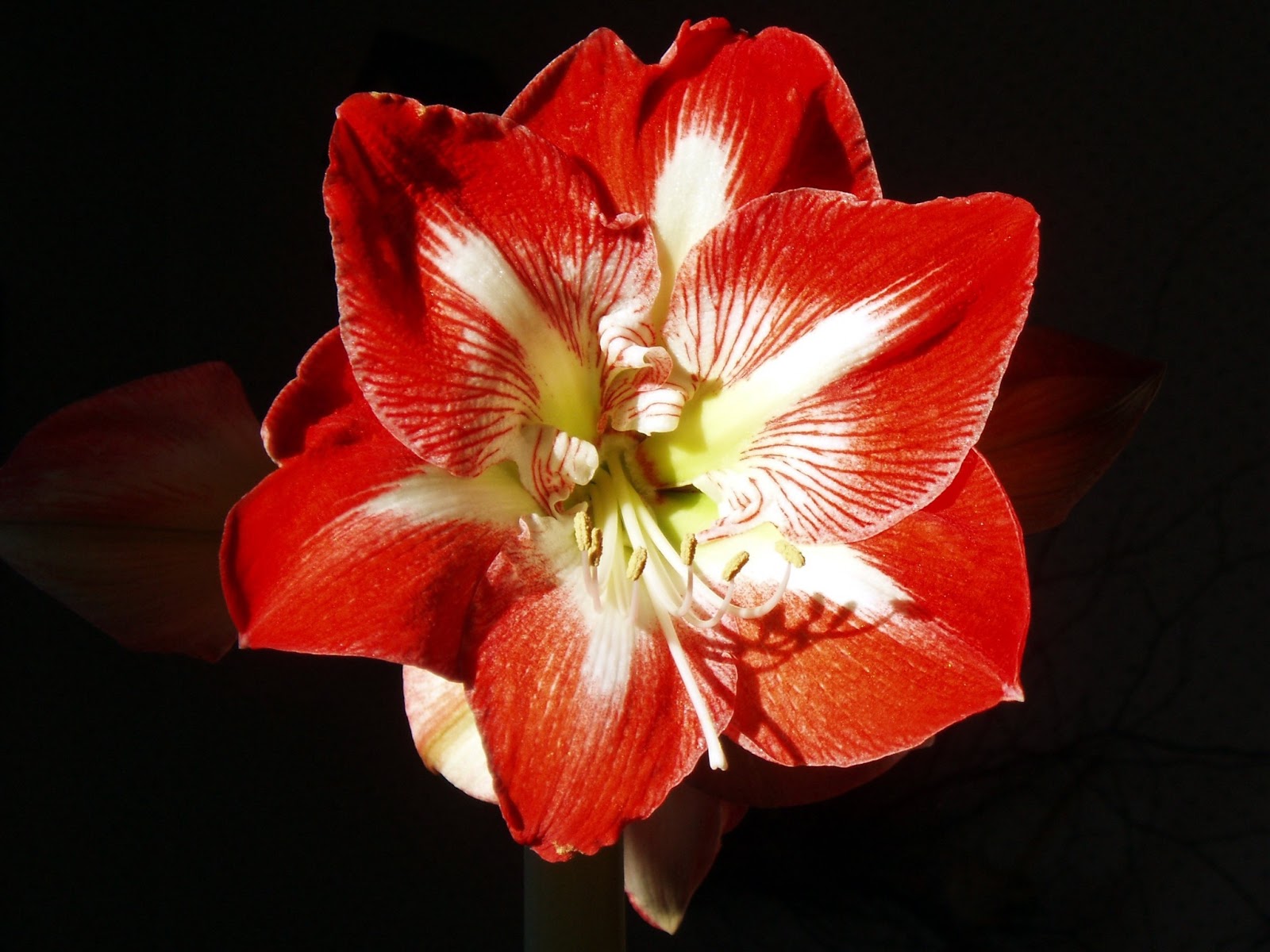
As the plant grows, thick, sturdy stalks will emerge, followed by large, trumpet-shaped flowers. These blooms can last for several weeks, creating a cheerful atmosphere in your home. To maintain the plant’s appearance, remember to turn it regularly to ensure even light exposure and prevent it from leaning toward the light source.
Once the flowers fade, proper care for the foliage is essential. Allow the leaves to die back naturally, as they play a crucial role in photosynthesis, storing energy in the bulb for future growth. When the leaves turn yellow and begin to wither, you can cut them back to the bulb.

For those looking for an easier option, waxed amaryllis bulbs have become increasingly popular. Coated in colorful wax, these bulbs require no soil or potting and can simply be displayed in bright, indirect light. The wax helps retain moisture, allowing the bulb to grow without the need for watering. While waxed bulbs are typically intended to be discarded after blooming, they can be revived with a bit of effort.
After the flowers fade, you can remove the wax and any wire from the bulb. If the bulb is still firm, you can plant it in a well-draining potting mix, treating it like a traditional amaryllis bulb. Plant it with the top one-third exposed above the soil, place it in a warm, bright location, and resume regular care. With proper attention, the bulb may produce new growth and bloom again.

If you choose to save a traditional amaryllis for next year, give it a resting period of about eight weeks in a cool, dark place after the blooms fade. Repot the bulb in fresh soil, lightly water it, and return it to a warm, bright location to stimulate new growth.

With the right care, both traditional and waxed amaryllis bulbs can bloom again, bringing joy and beauty to your home year after year. Understanding their unique needs—from planting in the fall to post-bloom care—allows you to enjoy the spectacular flowers of the amaryllis long after the holiday season has passed, making it a cherished addition to your indoor garden.

Friday, November 21, 2025

Gardening for Gratitude: Finding Thanks in the Quiet Season


As the garden quiets under the soft gray skies of November, it offers something that can be easy to overlook in the rush of planting and harvesting: time to reflect. Gardening connects us — not only to the soil beneath our feet, but also to the broader rhythm of community and care. When the growing slows, gratitude has space to grow.

Gratitude for the Living Soil

Beneath every patch of mulch and layer of fallen leaves, the soil is still very much alive. Even as the air cools, countless microbes, fungi, and invertebrates continue the slow work of breaking down organic matter and returning nutrients to the earth. Taking a moment to appreciate that unseen activity reminds us that rest and renewal are part of the same cycle.

A gardener’s gratitude can begin here: for healthy soil, for the worms and fungi that enrich it, and for the patience it teaches us every season.

Gratitude for Stewardship

Gardening teaches humility — we don’t control nature; we collaborate with it.
By planting with purpose, conserving water, or leaving seed heads for birds and beneficial insects, we practice gratitude through action. Even when the garden sleeps, these small choices continue to support life through winter.

Our gratitude deepens when we recognize that every act of care — composting, conserving, or simply noticing — sustains the living systems that sustain us.

Gratitude for Community

As the garden settles into its winter rest, many of us find ourselves with a little more time — time we once spent watering, weeding, or harvesting. November offers the chance to turn that energy outward, to nurture something beyond our own backyards.

Gratitude can take root in new places when we lend a hand in our communities. Local food banks, shelters, and meal programs need extra help during the colder months. Animal rescues, libraries, and senior centers often welcome volunteers, too. Even small acts — checking in on a neighbor, raking leaves for someone who can’t, or donating fresh produce or canned goods — remind us that the spirit of gardening is really about growing connection and care.

Just as we tend the soil to nourish life, volunteering tends the human side of our shared landscape. Every small kindness enriches the place we all call home.

Gratitude for the Seasons of Rest

It’s tempting to see November as an ending, but the garden’s dormancy is its own kind of beginning.
The leaves that fall become next year’s humus. The perennials that fade prepare their roots for renewal. And we, too, can slow down, take stock, and dream ahead — not with urgency, but with appreciation for all the quiet work that happens unseen.

Taking It Forward

As you plan for the next season, maybe start your list with thanks:

To the soil that fed your garden.

To the pollinators and wildlife who share our spaces.

To the neighbors and volunteers who strengthen our communities.

And to the cycle of growth, rest, and renewal that continues, year after year.


Gratitude, like compost, deepens the more you turn it.

Friday, November 14, 2025

Harvesting & Storing Potatoes for Winter Eating!

 Potatoes are vegetables that are easy to grow and also store well over winter if handled properly. The time between planting and harvesting of mid-season and late varieties of potatoes typically ranges from 90 to 120 days. Once harvested, Idaho potatoes require careful harvesting and storage to ensure they remain fresh and flavorful through the winter months. Here’s a guide to help you through the process.


Harvesting Potatoes
Typically, Idaho potatoes are ready for harvest about 2-3 weeks after the plants have died back. Look for yellowing leaves and stems. Use a pitchfork or shovel to gently lift the tubers from the soil. Be cautious to avoid piercing the potatoes, as this can lead to rot during storage. After harvesting, brush off any excess soil but avoid washing them. Moisture can encourage rot, so it’s best to keep them dry until you’re ready to store.

Storing Potatoes
 (click here to watch a video)
Before storage, allow your potatoes to cure in a dark, cool place (around 45-60°F) for about 1-2 weeks. This helps to heal any cuts and toughens their skin. Potatoes should be stored in a dark, well-ventilated area, ideally at temperatures between 35-40°F. A root cellar, basement, or a cool garage works well. Avoid exposure to light, which can cause greening and bitterness. Use burlap sacks, cardboard boxes, or wooden crates to store your potatoes. Avoid plastic bags, as they trap moisture and can lead to spoilage. Periodically inspect your stored potatoes. Remove any that show signs of spoilage to prevent the spread to healthy ones.

With the right care, you can enjoy the taste of potatoes long after the harvest season. By following these tips for harvesting and storing, you’ll enjoy your garden’s bounty throughout the winter months.

Monday, November 10, 2025

Cozy Up, Little Bugs! The Quest for Perfect Winter Hideways!

Now that fall is upon us in southwestern Idaho, it's the perfect time to explore whether structures like bug snugs and butterfly houses truly support overwintering insects. While these habitats can be charming additions to your garden, their effectiveness in providing shelter for beneficial insects is worth examining.
In this region, insects have diverse overwintering strategies. Many butterflies and other beneficial insects overwinter as eggs, caterpillars (larvae), or chrysalises rather than as adults. For instance, monarch butterflies migrate to warmer areas to survive the winter, while others may find refuge in leaf litter or within protective layers of plants. Given this, the role of butterfly houses in supporting overwintering populations can be limited, particularly for species that do not remain as adults during colder months.
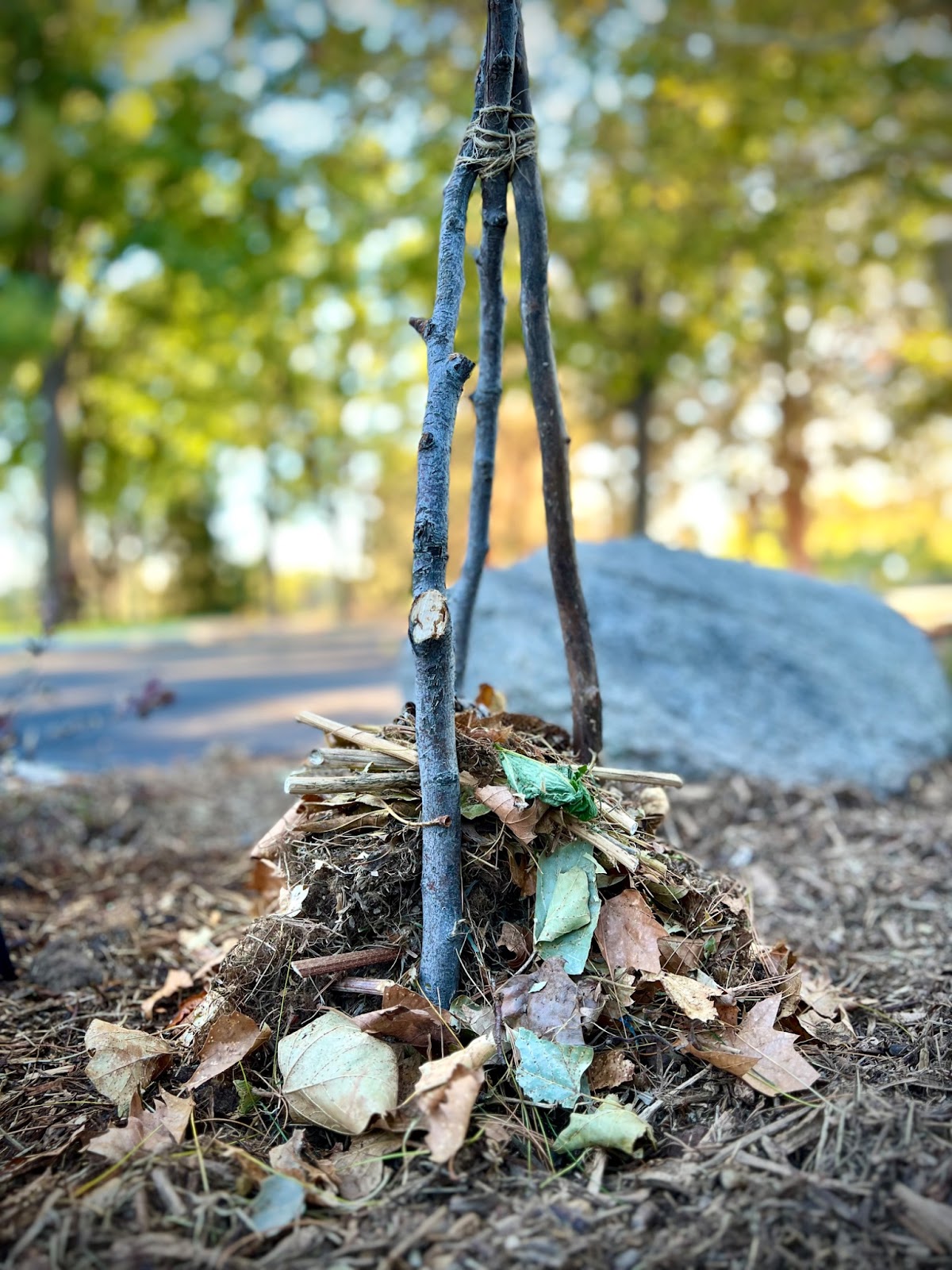
Bug snugs can offer more significant benefits. By providing cozy spaces filled with natural materials like dried leaves, straw, and twigs, bug snugs can create ideal microhabitats for overwintering insects, including solitary bees and ladybugs. These insects often seek out sheltered spots to hibernate, and well-constructed bug snugs can help meet that need.
Additionally, a bug snug is a great option for those with smaller yards. They can be designed to fit in compact spaces, making them ideal for urban gardens. Even in limited areas, bug snugs can contribute to local biodiversity by providing shelter for beneficial insects, which is especially important in densely populated regions. Creating a bug snug can also be a fun project for families, fostering interest in gardening and nature while teaching kids about the important roles insects play in our ecosystem.However, while bug snugs and butterfly houses may provide some shelter, they are not substitutes for natural habitats. Encouraging diverse environments in your garden is crucial. This includes planting native flora that supports the entire life cycle of butterflies and other beneficial insects. For example, host plants provide food for caterpillars, while nectar-rich flowers attract adult butterflies.
In southwestern Idaho, focusing on native plants, such as milkweed for monarchs or asters for late-season nectar, will create a more effective environment for insect populations. Allowing leaf litter to accumulate and avoiding excessive cleanup in the fall can also provide additional overwintering opportunities for insects, as many rely on this natural debris for protection.
In conclusion, while bug snugs may effectively support certain overwintering insects, butterfly houses might not be as beneficial for many butterfly species. By creating a diverse and supportive garden environment filled with native plants and natural shelters, you can enhance insect populations and foster biodiversity in your garden, ensuring a healthier ecosystem for years to come.