Showing posts with label Shade Perennials. Show all posts

Friday, August 15, 2025

Late Summer Perennial Division: Give Your Plants a Fresh Start

By mid- to late August in Boise, most of our early summer blooms have finished their show. The garden settles into a slower, late-season rhythm: greens deepen, seed heads form, and those long, golden evenings hint at autumn’s arrival. It’s the perfect time to give some of your hard-working perennials a fresh start by dividing them.

Division is like a spa day for plants—it reinvigorates growth, prevents overcrowding, and even gives you extra divisions to plant elsewhere or share with friends. In our high-desert climate, with hot summers and fast-cooling autumn nights, late-summer division is a smart move. The warm soil helps roots reestablish, and cooler evenings reduce transplant stress. As the University of Minnesota Extension points out, dividing perennials stimulates new growth, encourages more vigorous blooming, and improves airflow to help reduce disease pressure. 

The best candidates for this timing are spring- and early summer-bloomers. Day-lilies, bearded iris (divided right after their flowers fade), cheerful Shasta daisies, and peonies all respond well to late August or early September division. Creeping phlox, shade-loving hostas, and sturdy yarrow also benefit from this seasonal refresh. Fall bloomers like asters and mums are best left until spring so their floral display isn’t interrupted.

Some of our native perennials can be treated the same way. Coneflowers and goldenrod both respond beautifully to late-summer division, sending up vigorous new shoots the following spring. Blanket flower and prairie smoke also divide well now. Others—like penstemon, globe mallow, and showy milkweed—tend to resist root disturbance and are better propagated from seed or cuttings rather than being dug and split.

Your plants will often tell you when they need attention. A thinning or bare center in the clump, smaller or fewer blooms, or an enthusiastic spread that’s crowding out its neighbors are all signs that a division is in order. When you’re ready, start by watering thoroughly the day before so the roots are well-hydrated. Work carefully with a spade or fork to lift the entire root ball, keeping as much root intact as possible. Then gently tease the clump apart by hand or use a sharp knife to create new sections, each with healthy roots and several strong growing points. Prepare the planting area with compost to give your divisions a nutrient boost, and replant promptly at the same depth they were growing before. If you’re not ready to place them in the garden, you can also pot up divisions in containers, keeping them watered and sheltered until you’re ready to plant, donate, or share them. Water deeply, and keep the soil consistently moist until you see new growth.

For the smoothest recovery, work in the cool of morning or evening, and if the sun is intense, offer a bit of temporary shade for a few days. A light mulch will help regulate soil temperature and hold in moisture.

By tending to this now, you’ll set the stage for stronger, healthier plants next spring—and perhaps even have a few extras to share with friends or donate to a community plant sale. Sometimes, the best way to help a plant thrive is to give it the gift of space and a fresh beginning.

We've included links to show you more:

Friday, July 26, 2024

Shade Loving Perennials

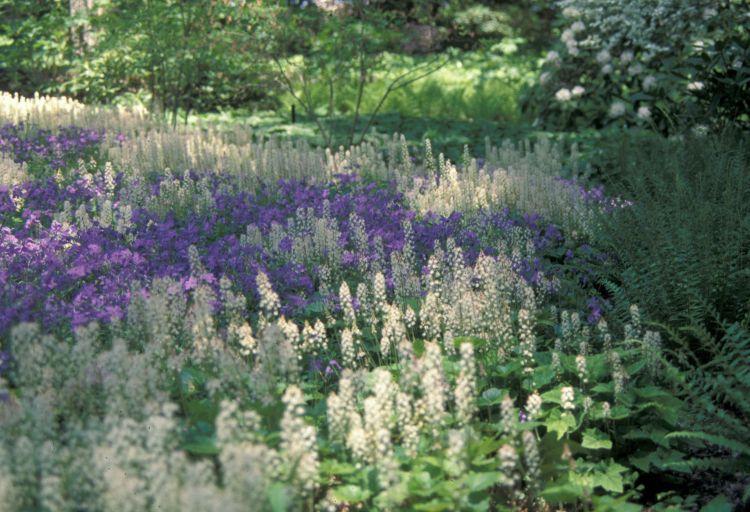
Shade loving perennials are described as a hardy plant that persists for several years in little to no sunlight areas. These plants will grow bigger and bigger every year and some even until you can divide and split them to plant more. Shade loving perennials will take the cold a lot better and won’t need as much water compared to sun loving perennials. These perennials can be planted under trees or along a house where it is cool and moist.


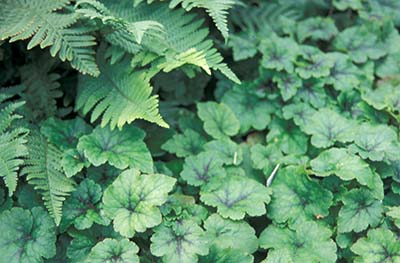
Ferns have stems, leaves, and roots but do not produce seeds. On the underside of the leaves are spores that contain the genetics needed to grow a new fern. They may be green, yellow, black, brown, orange, or red in color. Ferns are very beautiful, green, and lush plants. They have deep fibrous roots and love wet woodland type areas. Ferns will go dormant in hot, dry weather however will perk back up in the late summer to fall rain.


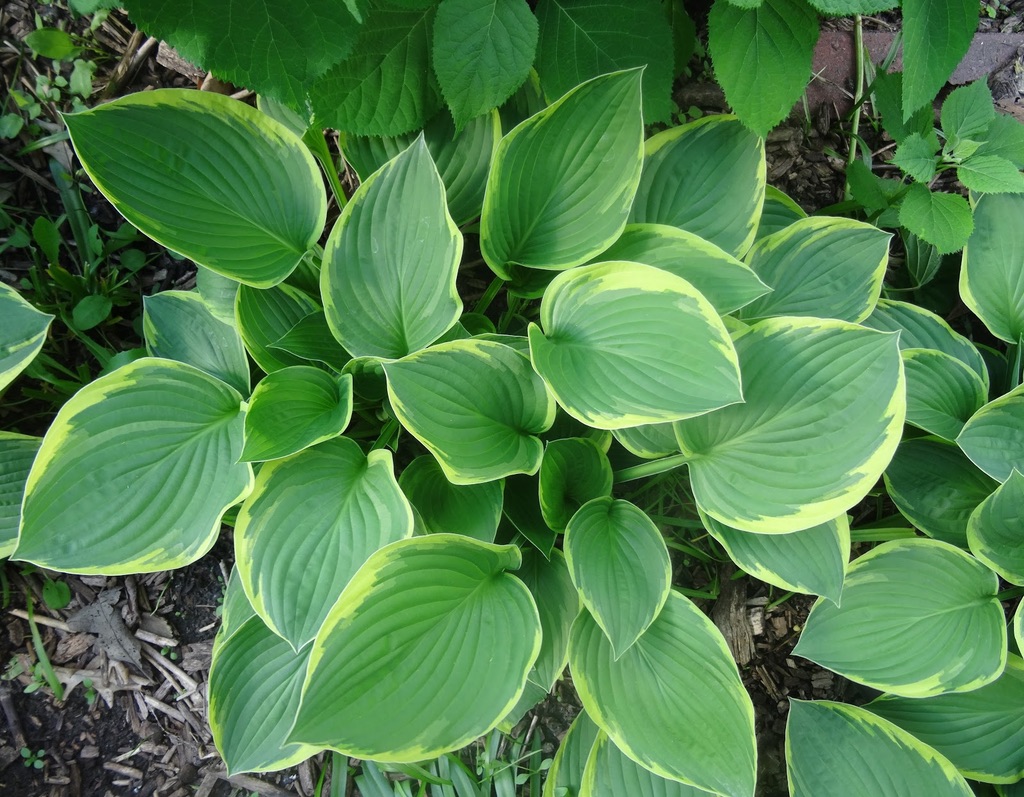
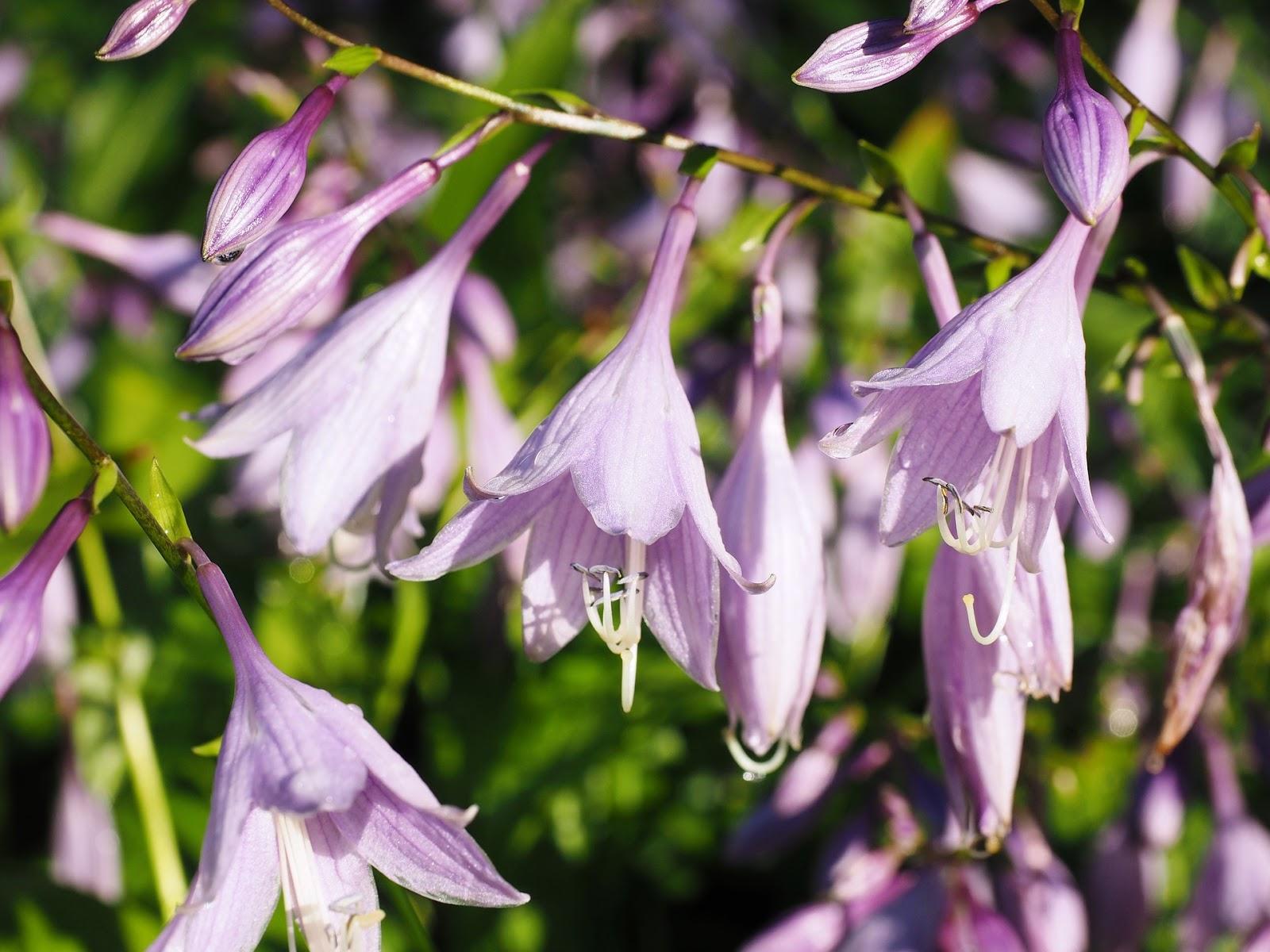
Hostas can bring lots of color and texture to your flower bed. They are low growing and clump forming which means they can be divided and planted. They have large leaf coverage, and some varieties even produce flowers that are very pleasing to the eye as well as fragrant. Leaf tips of hostas will become sun scalded and scorched in full sun. They will develop deep, rich colored leaves in cool, dark areas. Leaf lengths can range from inches to feet. Their leaves can also have many well as shapes. Textures include smooth, veined, or kinds of textures as puckered. Shapes include heart shaped, cupped, or lance like. 


Ferns and hostas will be a great addition to your flower bed. Bringing in a variety of colorful leaves are well as fragrant flowers. It will be very easy to maintain as well since you won’t have to water as much or worry about deadheading as you do most flowers. Another perk is you will save money on having to buy more plants since hostas will multiply and ferns can reproduce with their spores! Other shade perennials [see link for list] include bleeding hearts, hellebores, columbine, coral bells.