Showing posts with label cold stratification. Show all posts

Friday, January 9, 2026

Why January Is a Wonderful Time to Start Native Perennials from Seed

Starting seeds in step with the season

In Idaho, winter has a rhythm all its own. The garden falls quiet, the soil freezes, and everything above ground seems to rest. But beneath that calm, winter is quietly preparing the landscape for spring. Many of the region’s native perennials depend on that seasonal shift, waiting for winter’s cues before they begin to grow.

That’s why January is such a fitting moment to start native seeds. The timing matches the natural cycle these plants evolved with, and the cold months do much of the work that gardeners would otherwise need to recreate indoors.

Winter gives native seeds what they’re waiting for

Most native perennials require a period of cold, moist stratification—a long stretch of winter conditions that signals it’s safe to germinate when spring arrives. January consistently delivers the combination of cold, light moisture, and freeze–thaw cycles needed for this process.

While winter naturally provides these conditions, some Idaho winters bring long dry spells with very little snow. In those years, outdoor pots may dry more than expected. A quick check every couple of weeks is enough; if the soil surface looks completely dry, a light watering keeps stratification on track. The goal is moisture, not saturation—just enough to maintain a slightly damp environment.

Instead of managing refrigeration or carefully timing artificial cold periods, native seeds can be sown in pots, placed outdoors, and allowed to experience the winter they expect. It’s a simple, climate-aligned approach that mirrors natural patterns.


Outdoor pots make the process simple and reliable

Small nursery pots or cell trays filled with seed-starting mix create an ideal environment for winter stratification. Seeds pressed gently into the surface receive light, moisture, and winter temperature swings without becoming waterlogged. After a single watering to settle the mix, the pots can be placed outdoors where they will catch the weather but remain protected from wind.

This method stays tidy, reduces maintenance, and performs consistently well in the Intermountain West.

Some gardeners also use repurposed containers like milk jugs or clear clamshells.
These can work for certain species as long as moisture and temperature are monitored, especially on sunny winter days.


Freeze–thaw cycles help the seeds awaken

Although winter feels harsh to humans, native seeds rely on the push and pull of freezing and thawing to soften tough seed coats and trigger internal germination signals. Snowmelt or periodic winter moisture provides gentle, steady hydration. As late winter approaches, temperatures warm just enough to cue the seeds that spring is on its way.

Nature handles a process that is difficult to duplicate indoors.


January sowing leads to stronger, more resilient plants

By the time the soil warms in spring, seedlings that began their journey in January are often:

  • deeper-rooted
  • sturdier and more compact
  • better adapted to Idaho’s dry summers
  • more tolerant of the transplanting process

Because many natives do not bloom the first year, this early start supports healthier plants heading into their second season.


Direct sowing works too — when the soil allows

Some natives thrive when sown directly into the ground. However, frozen January soil isn’t workable in most parts of Idaho. When a natural thaw arrives—usually in late February or early March—direct sowing becomes an excellent option for species such as:

  • common yarrow (Achillea millefolium)
  • blanketflower (Gaillardia aristata)
  • penstemons (Penstemon spp.)
  • Idaho fescue (Festuca idahoensis)
  • blue grama (Bouteloua gracilis)

Until then, outdoor pots remain the most dependable winter method.


Cold frames and unheated greenhouses offer gentle protection

Cold frames and unheated greenhouses support winter stratification while offering mild protection from wind and wildlife. They moderate sudden warm spells and help maintain even moisture. As long as no heat is added, seeds receive the natural chill required for proper germination.


Native seeds well-suited to a January start

Wildflowers & Forbs

  • Rocky Mountain penstemon (Penstemon strictus)

  • Palmer’s penstemon (Penstemon palmeri)
  • Eaton’s penstemon (Penstemon eatonii)
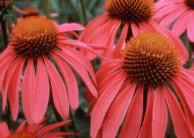
  • Narrow-leaf coneflower (Echinacea angustifolia)
  • Pale purple coneflower (Echinacea pallida)
  • Common yarrow (Achillea millefolium)
  • Blanketflower (Gaillardia aristata)
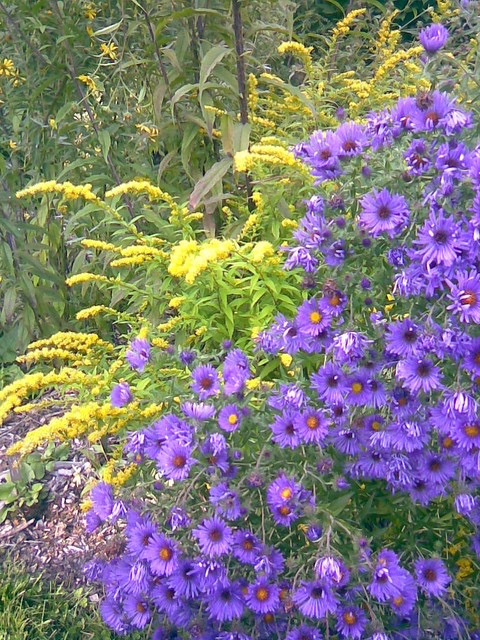
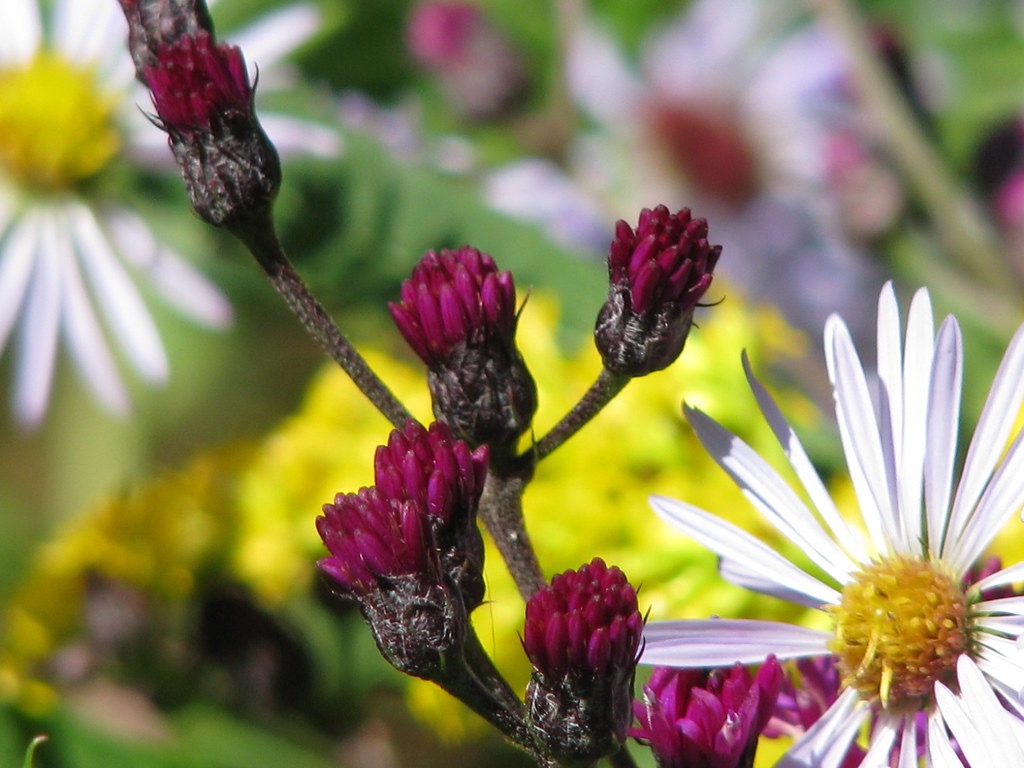
  • Showy aster (Eurybia spectabilis)
  • Smooth aster (Symphyotrichum laeve)
  • Goldenrod (Solidago spp.)
  • Columbine (Aquilegia spp.)
  • Prairie smoke (Geum triflorum)
  • Lupine (Lupinus spp.)


Native Grasses

  • Blue grama (Bouteloua gracilis)
  • Idaho fescue (Festuca idahoensis)
  • Sandberg bluegrass (Poa secunda)
  • Indian ricegrass (Achnatherum hymenoides)

Native Shrubs

  • Snowberry (Symphoricarpos albus)
  • Serviceberry (Amelanchier alnifolia)
  • Woods’ rose (Rosa woodsii)
  • Rabbitbrush (Ericameria nauseosa / Chrysothamnus nauseosus)


A peaceful January task with a rewarding spring payoff

There is something grounding about sowing native seeds while the landscape rests under winter’s quiet blanket. No urgency, no rush—just a small, hopeful task offered to the season these plants know best.

When seedlings emerge in early spring, right on cue, it becomes clear how well a January start aligns with the natural rhythm of Idaho’s native landscape. Winter sets the stage, and gardeners simply support the process.


Further reading 

https://extension.psu.edu/starting-seeds-in-winter

https://www.hortmag.com/smart-gardening/seed-starting-tips-plus-how-to-care-for-seedlings-

https://www.hortmag.com/smart-gardening/starting-perennial-seeds

https://www.xerces.org/publications/plant-lists

Friday, November 1, 2024

Chill Out! Cold Stratification for Native Plants

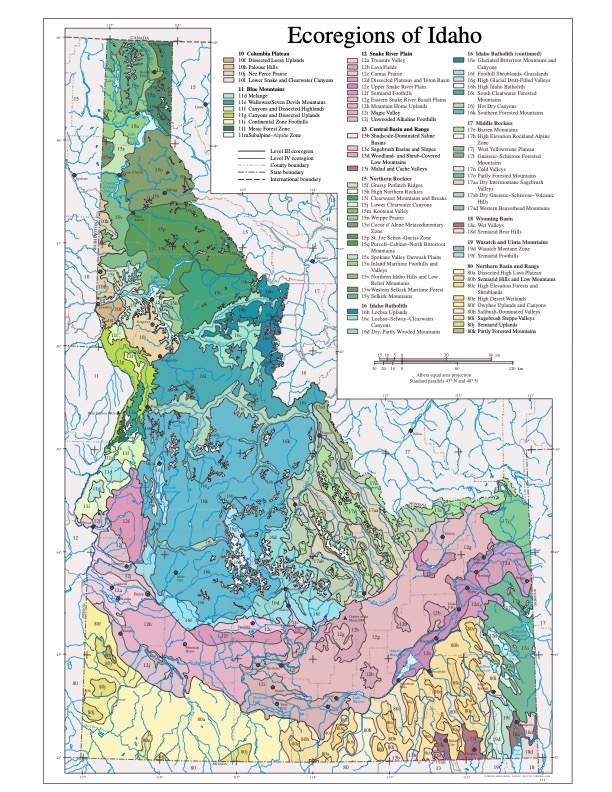
Cold stratification is an important step for growing many native plants in USDA Hardiness Zone 7. This process mimics winter conditions, helping seeds break dormancy and ensuring they germinate at the right time in spring. In the Boise area, which is situated in Ecoregion Level III 12 (Snake River Plain) and borders Ecoregion Level II 10.1 (Cold Deserts), you have a unique opportunity to cultivate a variety of native plants. Whether you’re interested in wild sunflowers, asters, goldenrods, lupines, purple coneflowers, milkweed, or penstemon, following these steps will help you successfully propagate these beautiful species in your garden.

Understanding the Ecoregion

Ecoregion 12 features a mix of desert and semi-arid environments, characterized by cold winters and warm, dry summers. The region's soils vary from sandy to clayey, which influences the native plant communities that thrive here. Plants in this area have adapted to withstand drought and temperature extremes, making them well-suited for home gardens that aim to support local wildlife and conserve water.

Starting Seeds Indoors or in a Greenhouse

Starting your native seeds indoors or in a greenhouse allows you to control conditions better. Follow these steps:

  1. Gather Your Seeds: Collect seeds from native plants in the fall, ensuring they are fully mature and dry.

  2. Prepare Your Pots: Use seed-starting pots filled with a seed-starting mix. Make sure the pots have drainage holes.

  3. Moisten the Medium: Lightly moisten the seed-starting mix so it's damp but not soggy.

  4. Cold Stratification:

    • Option A: Directly in Pots: Sow the seeds in the pots, covering them lightly with soil only if they don’t require light to germinate. If they do need light, surface sow seeds and place the pots in the refrigerator for 4-12 weeks. Keep the pots in a plastic bag to retain moisture.

    • Option B: Pre-soaking: Alternatively, mix seeds with a moist medium like sand or peat moss in a zip-top bag, refrigerate for 8-12 weeks, and then surface sow them in pots after stratification.

  1. Move to Light: After the stratification period, move your pots to a well-lit area or greenhouse. Ensure they receive plenty of light but avoid direct, harsh sunlight at first.

  2. Water Regularly: Keep the soil consistently moist (but not waterlogged) as the seeds begin to germinate.

  3. Transplanting: Once the seedlings have a few true leaves and the danger of frost has passed, transplant them into your garden or larger containers.

Starting Seeds Outdoors in your garden or raised beds

  1. Gather Seeds: Collect seeds in the fall from mature plants, ensuring they are fully dry. This timing allows you to utilize natural seasonal changes for germination.

  2. Prepare the Planting Area: Choose a well-draining spot in your garden or raised beds. Loosen the soil and remove any weeds or debris.

  3. Surface Sow: Scatter the seeds on the surface of the soil. Many native seeds benefit from light exposure to germinate, so avoid covering them deeply. If the seeds require some soil coverage, lightly sprinkle a thin layer of soil over them.

  4. Watering: Gently water the area to help settle the seeds into the soil without washing them away. Ensure the soil stays consistently moist, especially during dry spells.

  5. Winter Conditions: As winter arrives, the seeds will experience natural cold stratification, which helps break dormancy and prepares them for germination.

Benefits of Cold Stratification By cold stratifying your seeds, you help ensure healthy germination and align plants with their natural growing cycles. This process also supports local ecosystems by enhancing biodiversity, stabilizing soil, and conserving water.

With a little preparation, you can successfully cultivate beautiful native plants that thrive in your region, including wild sunflowers, asters, goldenrods, and lupines. 

Happy gardening!