Showing posts with label Idaho native flowers. Show all posts

Sunday, March 29, 2026

Native Flowers in the Home Garden

Purple flowers growing out of rocks

Description automatically generatedSpring is a perfect time to plan for new intriguing colors and features in the yard. With all the common plants available in local stores and greenhouses, one should check out the lesser-known native flowers for their unique charm. There are hundreds to choose from, and these native beauties hold up well under Idaho’s four seasons. Three lesser-known flowers, which are sure to steal the show in the yard, include the Rock Columbine (Aquilegia scopulorum), the Wild Blue Phlox (Linum lewisii), and the Bubblegum Mint (Agastache cana). 

The Rock Columbine is a little showstopper reaching its full height of 7 to 10 inches when bloomed out in blue flowers from May through August. It can grow in many soils including the common alkaline and clay soils of the Treasure Valley. Rock Columbine enjoys full sun or moderate shade, and though it can’t survive completely on its own without supplemental watering, it only needs watering when the leaves look stressed. This flower is not invasive and can easily be maintained.

A close-up of a bush of flowers

Description automatically generatedLewis Flax, also known as Wild Blue Phlox (Linum lewisii) is a fascinating native flower. Its blue flowers bloom in late spring to mid-summer, which have the curious habit of dropping to the ground after a day only to be replaced with others the next morning. The Lewis Flax isn’t picky with the soil it likes and requires moderate to little water. In fact, can be on the invasive side if it has a great water source. The Lewis Flax is 12 - 30” tall making it a great addition to the middle or back of your garden.

Close-up of purple flowers

Description automatically generatedAnother interesting flower is the Bubblegum Mint (Agastache cana) plant originally from New Mexico and western Texas. These form pink and violet flower spikes in late summer until the fall when it frosts.  This is a ‘leggy’ plant growing 36-40’ tall and works perfectly in the back of a garden or in a hard to grow section of well drained sand or gravel. Other great features to the Bubblegum mint include needing only 3 - 5 waterings a year and having no insect or disease problems. 

There are hundreds of native flowers growing in Idaho with just as interesting and beautiful flowers to pick from. Many of these thrive in xeriscapes and rock gardens, which means they can look stunning even with the water spigot turned down. Check out “Native Plants for the Intermountain West” for more native flowers with brief descriptions of what to expect from each plant and how to care for them.

Friday, November 1, 2024

Chill Out! Cold Stratification for Native Plants

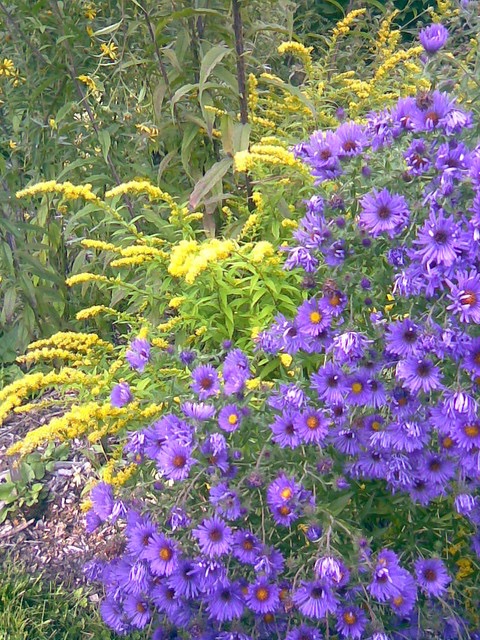
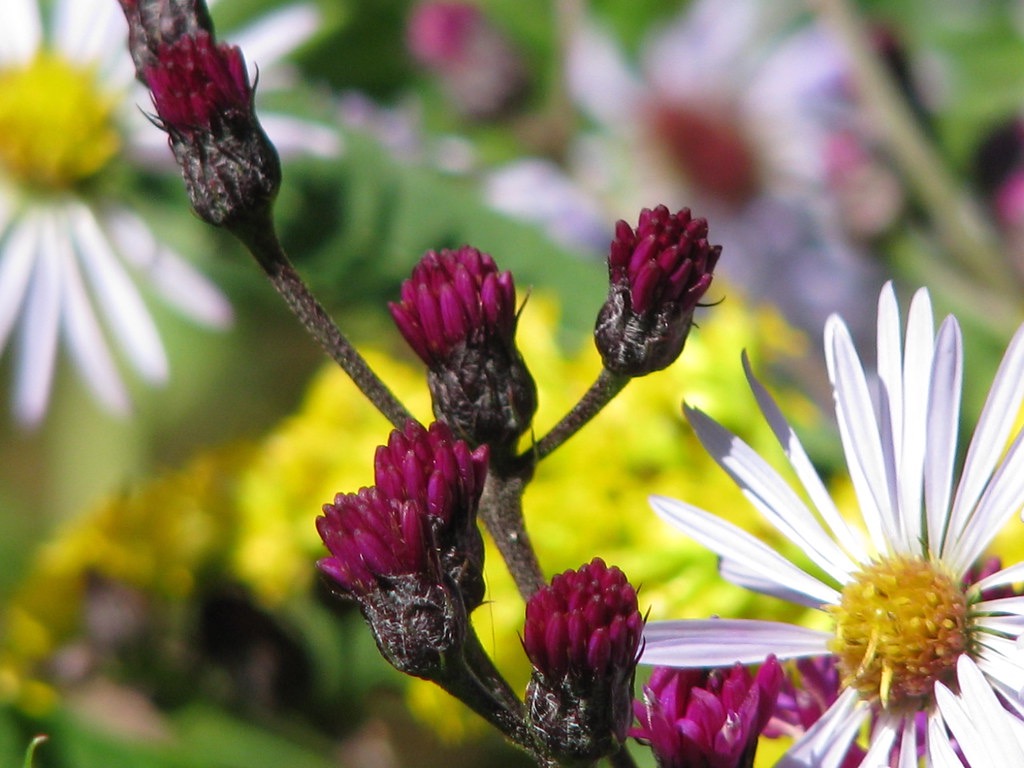
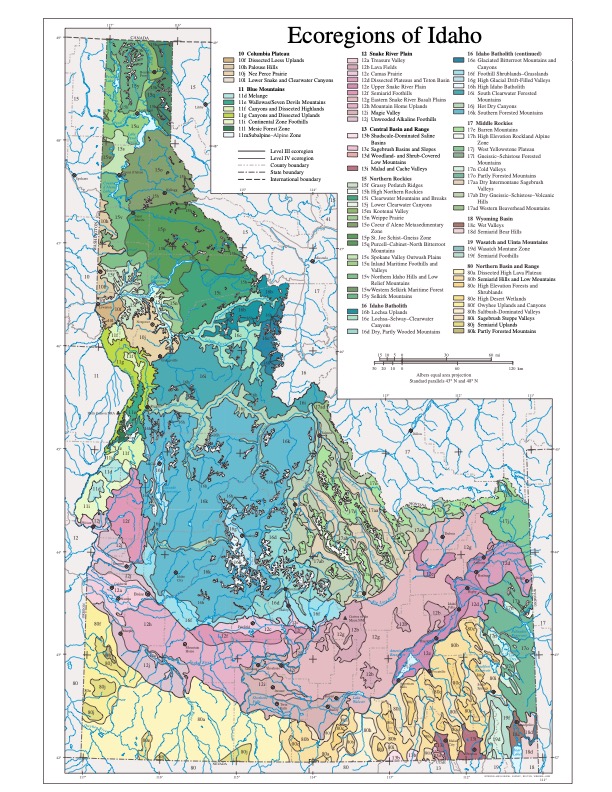
Cold stratification is an important step for growing many native plants in USDA Hardiness Zone 7. This process mimics winter conditions, helping seeds break dormancy and ensuring they germinate at the right time in spring. In the Boise area, which is situated in Ecoregion Level III 12 (Snake River Plain) and borders Ecoregion Level II 10.1 (Cold Deserts), you have a unique opportunity to cultivate a variety of native plants. Whether you’re interested in wild sunflowers, asters, goldenrods, lupines, purple coneflowers, milkweed, or penstemon, following these steps will help you successfully propagate these beautiful species in your garden.

Understanding the Ecoregion

Ecoregion 12 features a mix of desert and semi-arid environments, characterized by cold winters and warm, dry summers. The region's soils vary from sandy to clayey, which influences the native plant communities that thrive here. Plants in this area have adapted to withstand drought and temperature extremes, making them well-suited for home gardens that aim to support local wildlife and conserve water.

Starting Seeds Indoors or in a Greenhouse

Starting your native seeds indoors or in a greenhouse allows you to control conditions better. Follow these steps:

  1. Gather Your Seeds: Collect seeds from native plants in the fall, ensuring they are fully mature and dry.

  2. Prepare Your Pots: Use seed-starting pots filled with a seed-starting mix. Make sure the pots have drainage holes.

  3. Moisten the Medium: Lightly moisten the seed-starting mix so it's damp but not soggy.

  4. Cold Stratification:

    • Option A: Directly in Pots: Sow the seeds in the pots, covering them lightly with soil only if they don’t require light to germinate. If they do need light, surface sow seeds and place the pots in the refrigerator for 4-12 weeks. Keep the pots in a plastic bag to retain moisture.

    • Option B: Pre-soaking: Alternatively, mix seeds with a moist medium like sand or peat moss in a zip-top bag, refrigerate for 8-12 weeks, and then surface sow them in pots after stratification.

  1. Move to Light: After the stratification period, move your pots to a well-lit area or greenhouse. Ensure they receive plenty of light but avoid direct, harsh sunlight at first.

  2. Water Regularly: Keep the soil consistently moist (but not waterlogged) as the seeds begin to germinate.

  3. Transplanting: Once the seedlings have a few true leaves and the danger of frost has passed, transplant them into your garden or larger containers.

Starting Seeds Outdoors in your garden or raised beds

  1. Gather Seeds: Collect seeds in the fall from mature plants, ensuring they are fully dry. This timing allows you to utilize natural seasonal changes for germination.

  2. Prepare the Planting Area: Choose a well-draining spot in your garden or raised beds. Loosen the soil and remove any weeds or debris.

  3. Surface Sow: Scatter the seeds on the surface of the soil. Many native seeds benefit from light exposure to germinate, so avoid covering them deeply. If the seeds require some soil coverage, lightly sprinkle a thin layer of soil over them.

  4. Watering: Gently water the area to help settle the seeds into the soil without washing them away. Ensure the soil stays consistently moist, especially during dry spells.

  5. Winter Conditions: As winter arrives, the seeds will experience natural cold stratification, which helps break dormancy and prepares them for germination.

Benefits of Cold Stratification By cold stratifying your seeds, you help ensure healthy germination and align plants with their natural growing cycles. This process also supports local ecosystems by enhancing biodiversity, stabilizing soil, and conserving water.

With a little preparation, you can successfully cultivate beautiful native plants that thrive in your region, including wild sunflowers, asters, goldenrods, and lupines. 

Happy gardening!

Friday, May 10, 2024

Idaho Native Flowers

When you hear the phrase “native flowers”, what do you picture? Maybe a landscape full of beautiful, colorful, and beneficial flowers? Or does your mind conjure up an image of valueless, unattractive, and dull flowers? In this article, I will present three native flowers to consider planting in your landscape or garden: Common Yarrow, Wild Blue Flax, and Common Camas, emphasizing reasons to plant Idaho native flowers.

Yarrow (Achillea millefolium) is a perennial that grows early spring and blooms through mid-summer. It has long leaves that appear fern-like and flowers that range from white, yellow, pink, or red. Yarrow was a food source in the 17th century and North American tribes used it to treat many ailments. Its rapid growth from seed and rhizomes encourages spreading. It also tolerates many conditions and soil types and is relatively pest-free. Because it attracts beneficial pollinators and is a food source for big horn sheep, deer, sage grouse, and their chicks, Yarrow seed has been added to other nature seeds to rehabilitate disturbed sites along roadways and parks and is very well suited for xeriscaping. Yarrow is also good for composting.

Wild Blue Flax (Linum lewisii) is an annual which blooms from May to June. It produces concentrations of small, cheery blooms balanced on thin green stems. Flowers last a day and are replaced with fresh blooms of light blue, blue, yellow, and red. Blue Flax produces a lot of seeds and reseeds itself. It is adaptive to most soil conditions and is drought tolerant with minimal problems with disease. It is a food source for deer, antelope, and birds and may provide protective cover for small animals and birds. Blue Flax is also valued by land management for helping with erosion control.

Common Camas (Camassia quamash) is a perennial herb grown from an edible bulb in the Lily family. It blooms from April through June and produces many seeds. A single plant may live from fifteen to twenty years. Flowers range from light to deep blue. Camas is a food source for elk, deer, moose, and gophers. Common Camas is still considered to be one of the most important (root) foods and medicinal plants of the North American Indigenous population. The bulbs are usually harvested after flowering in the summer. It is recommended that people use caution when identifying and harvesting Common Camas so as not to confuse plants with Death Camas which can be toxic if eaten.

Native flowers are not invasive, but rather protect the biodiversity that supports our local ecosystem maintaining land development and conserving resources. Native plants are almost effortless to grow and nurture. Native plants are masterfully adapted to our unique environment, saving time and money. Along with providing beauty and benefits, with some experimentation and education, you could format your landscape for year-round attraction. For these reasons, consider planting Native flowers and help support and safeguard Idaho’s legacy.