Showing posts with label mulch. Show all posts

Friday, July 3, 2026

15 Reasons To Grow Borage + Ways To Use It

         Written by Elizabeth Waddington

Borage is often mentioned in organic gardening circles. It is considered by many to be a wonderful plant, which can find pride of place in many gardens. But what exactly is so great about this plant? What is borage? What are the reasons to grow it in your garden?

And how exactly should you use it in your garden (and once it is harvested)?

  Read on to find out. 

What is Borage?

Borage is the common name for Borago officinalis. It is also known as starflower.

This is an annual flowering plant. It flowers from around June right through to October in most temperate climates and grows to around two feet in height at a medium rate.

In warmer climes it may even bloom almost continuously for most of the year.

Borage is native to the Mediterranean region and has naturalized elsewhere. It grows very well in gardens across Europe and is also common in kitchen gardens across North America.

The plant is hairy all over its stems and leaves. The flowers are star-like, with five, narrow, triangular-pointed petals. These beautiful flowers are generally blue, though pink flowers are occasionally also observed, and there are also white-flowered cultivars.

The flowers are generally a deeper blue when the plants are grown in poorer soil conditions.

Borage is relatively unfussy when it comes to growing conditions.

It can cope with almost all soil types, including soils low in nutritional content. The plant can also cope with a range of soil pH levels, even very alkaline soils.

It can survive with very free-draining soils and is relatively drought tolerant. And can be grown in full sun, or light or dappled shade.

Borage is best grown from seed. Sow seeds under cover and plant them out once weather has begun to warm, or direct sow seeds where they are to grow after the last frost date in your area.

Sow once, this annual will then readily self-seed if left to its own devices.

 Why Grow Borage in Your Garden?

There are a great many reasons why you should consider growing borage in your garden. It is useful both while it is in growth, and as a crop for harvesting.

Here are just 15 reasons to grow borage in your garden:

1. Borage is an Edible Crop

One of the main reasons to grow borage in your garden is as an edible crop.

You can eat the leaves, raw or cooked, and the flowers, raw, as a garnish or in drinks. The dried stems can also be used for flavoring, and the seeds yield an oil that is particularly high in gamma-linolenic acid. 

We’ll talk a little more about how you can use borage as an edible crop a little later in this article.

Not only does it taste great, it is also a common ingredient in herbal medicine, and can be great for your health. 

A couple of caveats to mention, however: people with liver problems would be best to avoid eating these plants.

And no one should make borage a major part of their diet, as it does contain small quantities of pyrrolizidine alkaloids in tiny quantities.  That said, you will generally find that borage is a useful addition to your home-grown diet. 

2. Borage Looks Beautiful 

Wherever you choose to grow it, borage is beautiful as well as useful. Blooming over a long portion of the year, borage can bring a cheery splash of blue to your garden. Its delicate flowers stand out against a sea of green and can add to the visual amenity of your space.

They can add floral beauty to:

  • Your vegetable beds or kitchen garden.
  • Dedicated herb gardens.
  • A fruit tree guild.
  • Planting areas around fruit bushes or fruiting canes (or largely perennial polycultures).
  • An ornamental bed or border in your garden.

3. It Self-Seeds Readily So Pops Up Year After Year

One of the interesting things about borage is that, even though it is an annual, it will generally, once planted, remain in your garden for years. Borage, when left to set seed, will generally self-seed very readily.

So once you have planted some in your garden, you should find that it seeds itself and pops up all around your growing areas year after year. 

While self-seeding plants are not always ideal for very neat and tidy gardeners, borage is such a useful plant that gardeners are often happy to let it naturalize around their gardens.

It is worthwhile remembering that self-seeding annuals and a good mixture of perennial plants are ideal for a low-maintenance garden. So, borage can be a great choice for those with limited time, who want to create a garden where there is less to do each year. 

4. Borage is a Dynamic Accumulator

Borage has the ability to dynamically gather nutrients from the soil. This can help reduce nutrient leaching and make sure that nutrients are gathered and stored.

Borage is said to be particularly beneficial in accumulating potassium.

While scientific evidence on dynamic accumulation is often scant, it could be worthwhile considering borage in this capacity. 


 5. So, It Can Also Be Great as Mulch

Since borage captures and stores nutrients (such as potassium) effectively from the soil, it can be beneficial when chopped and dropped around other garden plants as mulch.

Borage can be beneficial as a mulch around a range of common crops and may be particularly beneficial for flowering and fruiting plants. Mulching with organic plant material adds to the nutrients available in the soil for the uptake of other plants. It also improves the soil quality, reduces weeds, and aids in water retention. 

6. Or On The Compost Heap

As chopped plants, you can also add borage to your compost heap or other composting system. 

As a nitrogen rich green material, which is also high in potassium and other essential plant nutrients, borage can help all the materials in the heap to break down. 

Adding borage to your compost heap can also help make sure you have a nutrient-rich and well-balanced compost at the end of the process. 

7. Or When Used To Make a Liquid Fertilizer for Your Plants

Another way to use chopped borage is to make your own liquid fertilizer or liquid plant feed for your growing areas. Liquid fertilizers can be made using a range of different weeds and garden plants. They can give your crops a quick boost and help maintain fertility in your growing areas.

You can use borage alone or combine it with other weeds from your garden for a nutrient rich weed tea that provides other plants with a wider range of different nutrients. 

8. Borage Helps Break Up and Aerate the Soil

This plant’s roots have a simple structure, but the way in which they penetrate the soil can help to break it up and aerate it.  Borage, therefore, can be a good choice in regions prone to compaction. A cover crop of borage could help to improve the soil quality before other crops are grown. 

And by self-seeding prolifically, borage can help to cover areas of bare soil and fill in patches in your growing areas. The more you can cover soil, the more you will protect the fragile and essential ecosystem it contains. 

9. Borage is Great for Bees

But perhaps the most important function borage fulfils in a garden is as a boon to bees and pollinators.

We are currently in a worrying period of mass extinction. Many bee species and other pollinating insects are endangered. Without these insects, we would not be able to grow much of our food without immense effort. 

It is vital that we protect biodiversity whenever we can.

As gardeners and growers, one of the things we can do is make sure we have flowers in bloom for pollinators throughout the year. Since borage can be in bloom over such a long season, it is a particularly beneficial bee-friendly plant. Bees are also attracted to borage flowers in preference to those of many other plants.

Bees tend to be attracted to purple/ blue flowers, and the simple structure of borage flowers means that the nectar is easy for bees and other pollinators to access. 

10. So, It Also Aids in Effective Pollination

What is great for the bees is great for the gardener or grower too. By planting bee-attractant plants like borage, we can make sure that pollinators are around to pollinate our crops.

Many of the common plants we grow depend on insects for pollination. So planting borage close to those plants can make a big difference to the yields that we get. 

The pollinator attracting properties of borage are one of the main reasons why it makes such a great companion plant for a range of crops. To aid pollination, borage can be a great addition all around your property. 

11. It’s Also a Trap Crop for Aphids

But there are also other reasons why borage is such a good companion plant. One other great thing about borage is that it attracts aphids.

You may not immediately think of this as a good thing. But since it draws aphids to it, this plant can serve as a useful trap crop. Aphids will be drawn preferentially to your borage, which can keep them away from your other crops. 

12. And All Those Aphids Attract Other Beneficial Insects

Another thing to consider is that since they attract aphids and other pest species, they also attract a range of other, more beneficial insects.

Insects like ladybugs and lacewings that prey on aphids will be drawn to their food source.

And having these beneficial bugs in your garden can help maintain a balance in the garden ecosystem overall. 

13. It May Also Deter Certain Pests

While the evidence is largely anecdotal, some gardeners swear that borage can also repel or deter certain pests, such as tomato hornworm, and cabbage moths, for example.

Whether or not borage really does repel these pests, it could be worth a try planting it as a companion plant for vulnerable crops. 

Even if it does not actually repel these pests, borage will still have the other benefits mentioned on this list. 

14. Borage is Great for Birds Too

Once borage goes to seed, the seed also provides food for a range of creatures, including a number of seed-eating bird species, such as finches.

Attracting birds to your garden will help keep the ecosystem in balance, and help maintain a healthy biodiversity in your garden. 

15. Including Backyard Chickens

And wild birds are not the only creatures which could benefit. Your feathered backyard flock will also enjoy eating borage.

It can be a useful addition to your hens’ foraged diet, or can be chopped and tossed into their run to give your chickens a healthy treat. 

15. Companion Planting With Borage So, now you have a much better idea of the reasons to grow borage in your garden, let’s take a little time to explore in a little more depth how you might use it.

The first and most common way to use borage in your garden design is as a companion plant.

Borage is a common companion plant for a wide range of different fruits and vegetables. In fact, borage can be a good ‘nurse’ plant throughout your garden and works well with almost any plant.

In particular, for some of the reasons mentioned above, borage is said to be a particularly good companion plant for:

  • Cabbages (and other brassicas)
  • Beans
  • Cucumber
  • Fruit trees (and fruit bushes and canes)
  • Squash
  • Strawberries
  • Tomatoes

For example, borage might be included as part of a polyculture with tomatoes and squash, as in the link below.

A Companion Planting Trio @ thespruce.com

Using Borage in Crop Rotation/ As a Cover Crop

Another way to incorporate borage into your garden plan is to use it as a green manure or cover crop, which gathers nutrients, protects the soil and attracts beneficial wildlife before being chopped and dropped to feed the soil ready for the next crop in rotation. 

Using Borage as an Edible Crop

Borage is such a useful plant in the garden, while growing and when harvested, that you may not immediately turn your attention to its uses elsewhere on your homestead.

But whatever else you choose to do with it, it is worthwhile keeping a few plants aside to use in your kitchen.

As mentioned above, borage can also be a useful edible crop. So how can be use it?

Here are a few examples demonstrating the different ways that the leaves and flowers can be used:

Borage Recipes

Mixed Herb Salad With Borage @ food.com.

Cucumber Salad With Borage Flowers @ allrecipes.com.

Cucumber and Borage Canapés @ growntocook.com.

Sandwiches @ food.com.

Borage Cucumber Salad Dressing @ tasteofhome.com.

Raita @ sophies-table.com.

Pasta With Borage @ eatsmarter.com.

Quiche @ ladittatrice.wordpress.com.

Borage Leaf, Pea and Mint Soup @ theseasonaltable.co.uk.

What is more, borage is also used in a number of different drinks. It is a common garnish for the UK drink ‘Pimms’ and for lemonade.

For cool cocktails in summer, you can freeze borage flowers in ice cubes then add them to your beverages.

Borage is also used to make a soothing tea.

Traditionally, borage tea is used as a herbal remedy for depression and melancholia.

In herbal medicine, an infusion is taken internally to treat fevers, chest problems and kidney problems.

It is also used in the regulation of female cycles and to promote good heart health. (Though if you plan on using herbal remedies on a regular basis, it is always best to work with a qualified herbal medicine practitioner.)

Other Uses for Borage

Borage is also used externally in herbal medicine to treat inflammatory swellings. You can make a poultice to sooth the skin.

Borage Poultice @ herbclass.com.

If the seeds are harvested, these can be used to create borage oil, which is extremely rich in gamma-linolenic acid (an essential fatty acid) also known as vitamin F. Borage oil has been shown to have a beneficial effect for those suffering from rheumatoid arthritis.

Borage oil can also be used in making soap, and in making a range of other skin care products. You can also simply add a few leaves or flowers to a number of other soap recipes, such as the one below:

Cucumber and Borage Soap @ thenerdyfarmwife.com.

Finally, borage flowers can be used to make a dye – either for edible recipes, or for dyeing fabric. The flowers work especially well for blue dyes when frozen.

As you can see, there are plenty of reasons to give borage some space in your garden. So why not get some seeds and plant some in your garden! 

Friday, December 26, 2025

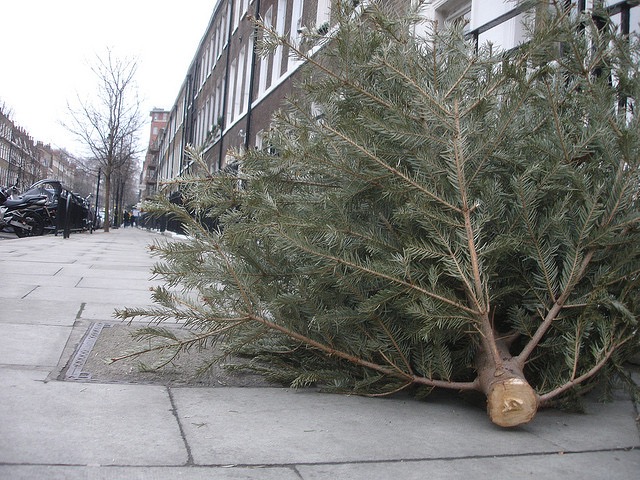
Repurposing Christmas Trees: A Creative & Fun Guide

After the holiday season, many of us are left wondering what to do
with our Christmas trees. Why not
repurpose them for a variety of practical and creative uses? From enriching your garden to providing habitat for wildlife, your tree can have many new lives after the holidays are over. Repurposing your tree helps reduce waste, benefits the environment, and can even add some unique touches to your garden.

For the Garden

  • Mulch: Shred the tree’s branches and trunk into mulch to spread around trees, shrubs, and garden beds. Pine needles are an excellent mulch because they decompose slowly, helping retain moisture in the soil and reducing weeds.

  • Erosion Control: If you have bare slopes or areas prone to runoff, use the branches to prevent erosion. The tree’s structure helps hold the soil in place, especially during heavy rains.

  • Wildlife Habitat: Consider leaving the tree whole in your yard. It can provide valuable shelter for birds, squirrels, and other small animals during the winter months. For added benefit, place birdhouses or feeders nearby.

Craft Projects

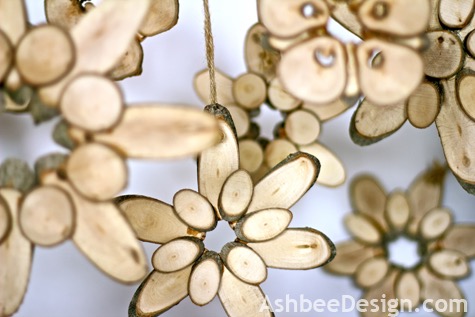
  • Woodworking: The trunk can be repurposed into practical or decorative items. Use it to create small furniture pieces like stools, benches, or even simple garden markers. For smaller pieces, you can carve the wood into candle holders, picture frames, or other craft projects.

  • Bird Feeders: Coat pinecones with peanut butter and roll them in birdseed, then hang them on the tree’s branches. This makes an easy and natural bird feeder that attracts local wildlife. Plus, it’s a great way to reuse pinecones, which might otherwise go to waste.

Composting


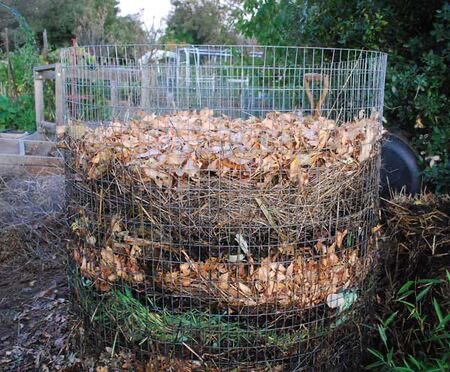
  • Compost Bin: After cutting the tree into smaller pieces, add it to your compost pile. The wood, branches, and needles are rich in carbon, which helps balance the nitrogen in food scraps and accelerates decomposition. This is a natural way to enrich your soil for the next gardening season.

Community Use

  • Recycling Programs: Many communities offer Christmas tree recycling, turning trees into wood chips or mulch for public parks and landscaping projects. Look for local recycling programs, which are a simple way to give your tree a second life.

  • Fish Habitats: In some areas, trees are submerged in lakes or ponds to provide shelter for fish and other aquatic species. Wildlife and conservation groups often organize these efforts, turning old trees into valuable habitats for marine life.

Use as Firewood

  • Firewood: Once dried, the trunk can be cut into smaller logs and used as firewood for outdoor fire pits or wood stoves. Pinewood burns quickly and is great for kindling, but be cautious not to burn it indoors due to the potential for creosote buildup.

  • Bonfire Material: The branches and needles can be used to start a backyard bonfire, providing warmth and ambiance during cold evenings or post holiday gatherings.

For Animals

  • Goat Feed: Some farms accept old Christmas trees for goat feed, as the pine needles are a nutritious treat. Just make sure the tree has not been treated with chemicals or pesticides.
  • Animal Bedding: Shredded branches and pine needles make great bedding for chickens or small pets. The natural material helps insulate outdoor enclosures during the winter months. By recycling your tree, you extend its usefulness and make a positive impact on the environment.

Saturday, December 21, 2024

Mulch or Mess? Does Christmas packaging belong in your garden?

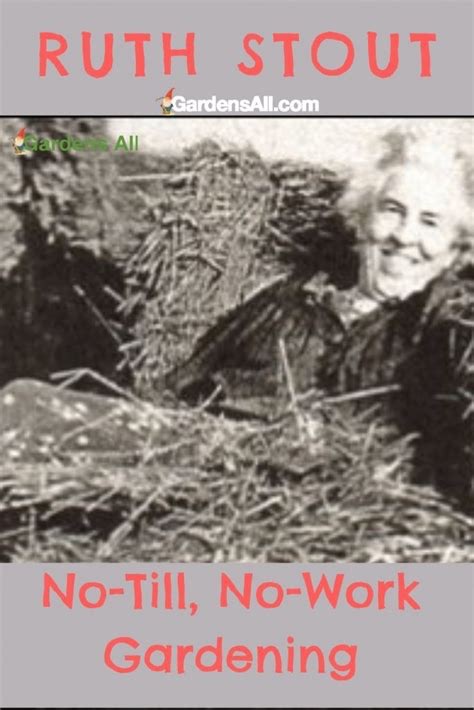
Using cardboard in home landscapes and gardens has become a popular topic on social media. However, this practice dates back to 1944, when Ruth Stout introduced an organic, no-dig gardening method. Her approach gained popularity for creating healthier, more productive gardens with lower costs and a smaller environmental footprint. Over time, this evolved into what is now widely known as the “lasagna method,” often recommended for use in raised beds.


Today, cardboard has regained popularity as an affordable and effective weed barrier and a composting ingredient. While advancements in research have deepened our understanding, the question remains: is cardboard as safe and effective as claimed?

The controversy regarding the use of cardboard in landscape or garden beds centers on two primary concerns: penetration of water and oxygen, and potential soil contamination. Cardboard and similar paper products, when used as sheet mulch, are known to interfere with water penetration and oxygen exchange in the soil beneath, especially if the paper product is waxed. Paper sheeting blocks photosynthesis, which requires sunlight, making it an effective weed and grass suppressant. However, this same blocking characteristic also slows oxygen and water transmission. Keeping the cardboard moist can help with the needed moisture, but in a garden, the uptake of nutrients also requires oxygen in the topsoil layer.


Contamination of the area where cardboard is applied is a second major concern, particularly for organic landscapes. Contamination usually involves non-biodegradable and/or chemical substances. Additionally, some cardboard products are high in cellulose, which may attract termites. The risk is higher if you live in an area where these insects are present.


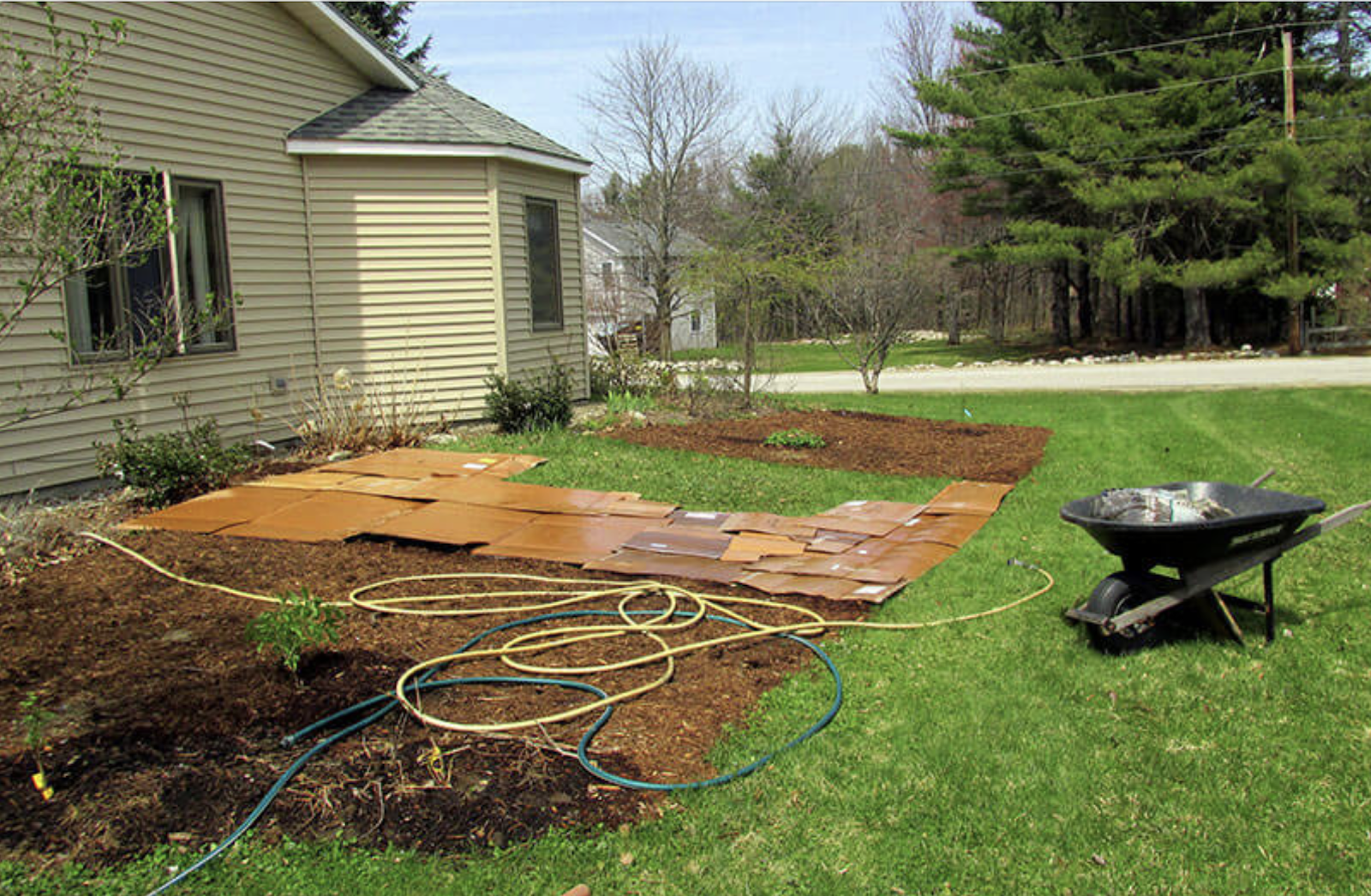
Screenshot 2024-10-21 at 4.31.32 PM.pngThe popularity of cardboard in landscaping has also led to researched solutions and alternatives. Depending on your soil type and seasonal precipitation, reduced water penetration can be addressed by adding a drip line underneath large areas of cardboard and applying mulch on top to keep the cardboard wet. As this process can take 6–10 months, laying the cardboard in the fall yields an area free of weeds by spring. Your envisioned project can begin once the mulch and cardboard are removed. This minimizes cardboard contaminants in your soil, as it takes 1–2 years for cardboard to fully break down.


If you are a serious organic gardener, avoid the risk of cardboard contamination by solarizing large areas using clear plastic sheeting to kill weeds during the summer heat. Success can be achieved in just 2–3 months of summer heat. Alternatively, to avoid typical cardboard contaminants, use shipping boxes that lack ink, labels, and dyes. Remove any tape, avoid glues and waxed surfaces, and ensure the cardboard has not been treated with fungicides or prohibited substances, such as, e.g.,“Forever chemicals”.


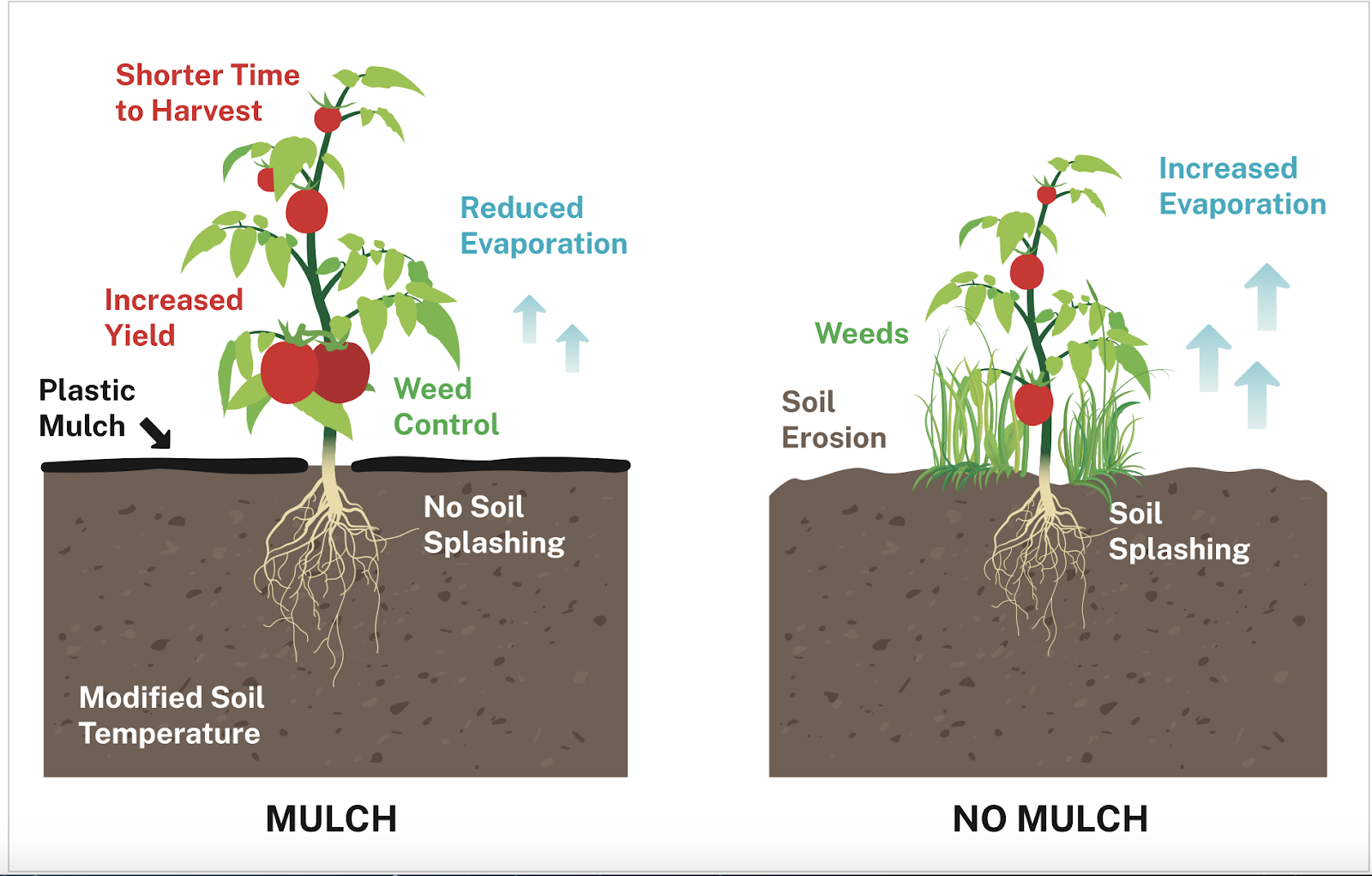
Screenshot 2024-11-01 at 1.38.08 PM.pngShould you need to mulch smaller, targeted areas, consider other types of mulch as recommended by the University of Idaho Extension office. If you have a large garden or field crops, biodegradable plastic sheeting is commercially available. While not yet as cost-effective as cardboard, manufacturing improvements continue to lower the price.


While the decision is ultimately yours, a little research might lead to an easy, effective, and affordable way to suppress weeds and create a healthy, thriving base for your raised garden beds and landscape areas.

Friday, December 20, 2024

Repurposing Christmas Trees: A Creative Guide

After the holiday season, many of us are left wondering what to do with our Christmas trees. Why not repurpose them for a variety of practical and creative uses? From enriching your garden to providing habitat for wildlife, your tree can have many new lives after the holidays are over. Repurposing your tree helps reduce waste, benefits the environment, and can even add some unique touches to your garden.

For the Garden

  • Mulch: Shred the tree’s branches and trunk into mulch to spread around trees, shrubs, and garden beds. Pine needles are an excellent mulch because they decompose slowly, helping retain moisture in the soil and reducing weeds.

  • Erosion Control: If you have bare slopes or areas prone to runoff, use the branches to prevent erosion. The tree’s structure helps hold the soil in place, especially during heavy rains.

  • Wildlife Habitat: Consider leaving the tree whole in your yard. It can provide valuable shelter for birds, squirrels, and other small animals during the winter months. For added benefit, place birdhouses or feeders nearby.

Craft Projects

  • Woodworking: The trunk can be repurposed into practical or decorative items. Use it to create small furniture pieces like stools, benches, or even simple garden markers. For smaller pieces, you can carve the wood into candle holders, picture frames, or other craft projects.

  • Bird Feeders: Coat pinecones with peanut butter and roll them in birdseed, then hang them on the tree’s branches. This makes an easy and natural bird feeder that attracts local wildlife. Plus, it’s a great way to reuse pinecones, which might otherwise go to waste.

Composting


  • Compost Bin: After cutting the tree into smaller pieces, add it to your compost pile. The wood, branches, and needles are rich in carbon, which helps balance the nitrogen in food scraps and accelerates decomposition. This is a natural way to enrich your soil for the next gardening season.

Community Use

  • Recycling Programs: Many communities offer Christmas tree recycling, turning trees into wood chips or mulch for public parks and landscaping projects. Look for local recycling programs, which are a simple way to give your tree a second life.

  • Fish Habitats: In some areas, trees are submerged in lakes or ponds to provide shelter for fish and other aquatic species. Wildlife and conservation groups often organize these efforts, turning old trees into valuable habitats for marine life.

Use as Firewood

  • Firewood: Once dried, the trunk can be cut into smaller logs and used as firewood for outdoor fire pits or wood stoves. Pinewood burns quickly and is great for kindling, but be cautious not to burn it indoors due to the potential for creosote buildup.

  • Bonfire Material: The branches and needles can be used to start a backyard bonfire, providing warmth and ambiance during cold evenings or post holiday gatherings.

For Animals

  • Goat Feed: Some farms accept old Christmas trees for goat feed, as the pine needles are a nutritious treat. Just make sure the tree has not been treated with chemicals or pesticides.
  • Animal Bedding: Shredded branches and pine needles make great bedding for chickens or small pets. The natural material helps insulate outdoor enclosures during the winter months. By recycling your tree, you extend its usefulness and make a positive impact on the environment.

Thursday, April 13, 2023

Why Raised Garden Beds?

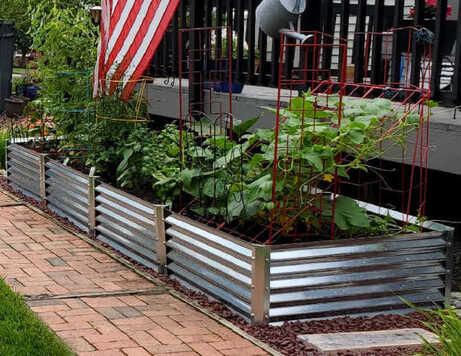
Raised garden beds are a great choice for anyone who has a small space or wants to control the soil quality. Another good reason for raised garden beds, it is great for all ages, health conditions, and mobility types. We all love healthy grown foods, so with raised gardening beds it is easier to manage and control the quality of the soil to get better yields.


Evaluate what your needs are, how much room you have, and how much time you want to commit to your gardening space. 
   Consider the different designs available and see what appeals to you. You will want to know your budget and choose the layout or plan that will work best.  

fresa garden beds

    Check out this site for many great ideas on types of gardening beds and different designs. 
    Look at your location and decide what plants you want, the amount of sunlight you are going to have, and how long your growing season is for your region. Make sure to add in drip irrigation, which will conserve water; set the drip at the base of your plants. Leave space for walking paths around your beds.
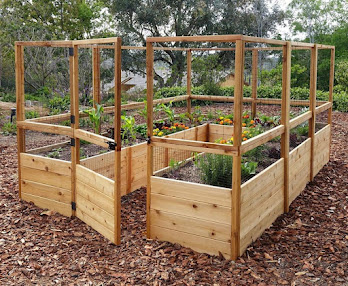
    Think ahead, if you need to cover your garden beds to keep out flying bugs and birds, add design components that will make it easy to net the spaces. This type of design is very useful for fall cold snaps when you need to shelter plants from the cold evenings. You can also use hoops for coverings. The size of your bed should be an arms length to reach far enough to get to your produce; 4 feet is a good width for your beds. If you have rodents that burrow, you may need to put down a wire mesh to block any digging into the bottom of garden boxes.
Deer Proof Cedar Complete Raised Garden Bed Kit - 8' x 12' | Eartheasy.com

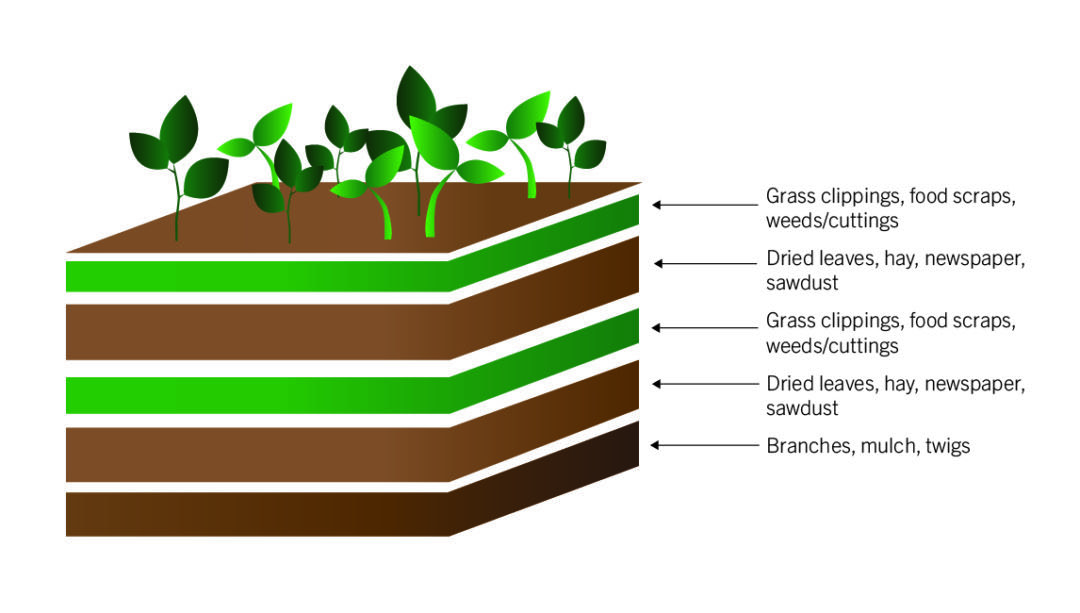
    Soil preparation is key in a raised bed, so adding in compost and organic material is necessary. The beds can be filled cheaply with rocks, gravel for drainage, grass clippings, fall leaves, twigs, branches, logs, even cardboard boxes, or paper sacks.
    Don’t forget to get your mulch on top to retain the moisture. Keep in mind you do not want to put any items in the bed that have insect contamination or chemicals.  
    Get creative in your planning and designing, use what you have, so many different components can be used for raised beds. REPURPOSE, RECYCLE, REUSE!!