Showing posts with label recycle. Show all posts

Friday, December 26, 2025

Repurposing Christmas Trees: A Creative & Fun Guide

After the holiday season, many of us are left wondering what to do
with our Christmas trees. Why not
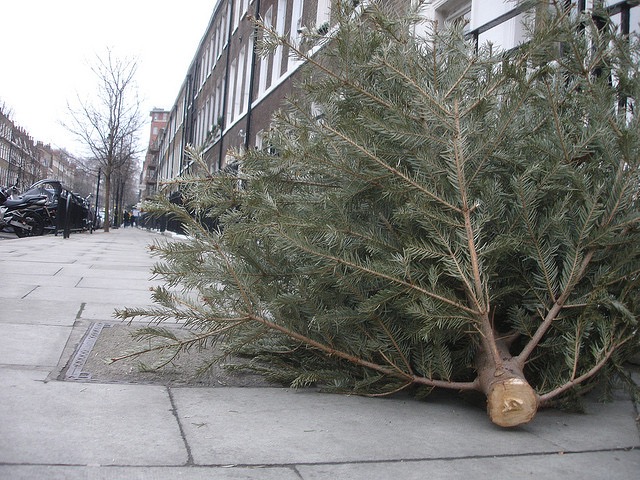
repurpose them for a variety of practical and creative uses? From enriching your garden to providing habitat for wildlife, your tree can have many new lives after the holidays are over. Repurposing your tree helps reduce waste, benefits the environment, and can even add some unique touches to your garden.

For the Garden

  • Mulch: Shred the tree’s branches and trunk into mulch to spread around trees, shrubs, and garden beds. Pine needles are an excellent mulch because they decompose slowly, helping retain moisture in the soil and reducing weeds.

  • Erosion Control: If you have bare slopes or areas prone to runoff, use the branches to prevent erosion. The tree’s structure helps hold the soil in place, especially during heavy rains.

  • Wildlife Habitat: Consider leaving the tree whole in your yard. It can provide valuable shelter for birds, squirrels, and other small animals during the winter months. For added benefit, place birdhouses or feeders nearby.
Craft Projects

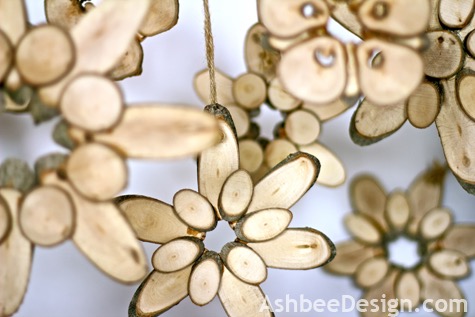
  • Woodworking: The trunk can be repurposed into practical or decorative items. Use it to create small furniture pieces like stools, benches, or even simple garden markers. For smaller pieces, you can carve the wood into candle holders, picture frames, or other craft projects.

  • Bird Feeders: Coat pinecones with peanut butter and roll them in birdseed, then hang them on the tree’s branches. This makes an easy and natural bird feeder that attracts local wildlife. Plus, it’s a great way to reuse pinecones, which might otherwise go to waste.
Composting


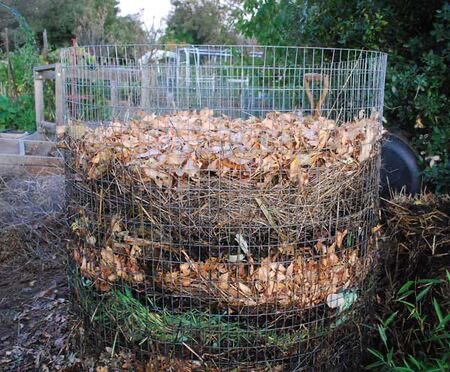
  • Compost Bin: After cutting the tree into smaller pieces, add it to your compost pile. The wood, branches, and needles are rich in carbon, which helps balance the nitrogen in food scraps and accelerates decomposition. This is a natural way to enrich your soil for the next gardening season.
Community Use

  • Recycling Programs: Many communities offer Christmas tree recycling, turning trees into wood chips or mulch for public parks and landscaping projects. Look for local recycling programs, which are a simple way to give your tree a second life.

  • Fish Habitats: In some areas, trees are submerged in lakes or ponds to provide shelter for fish and other aquatic species. Wildlife and conservation groups often organize these efforts, turning old trees into valuable habitats for marine life.

Use as Firewood

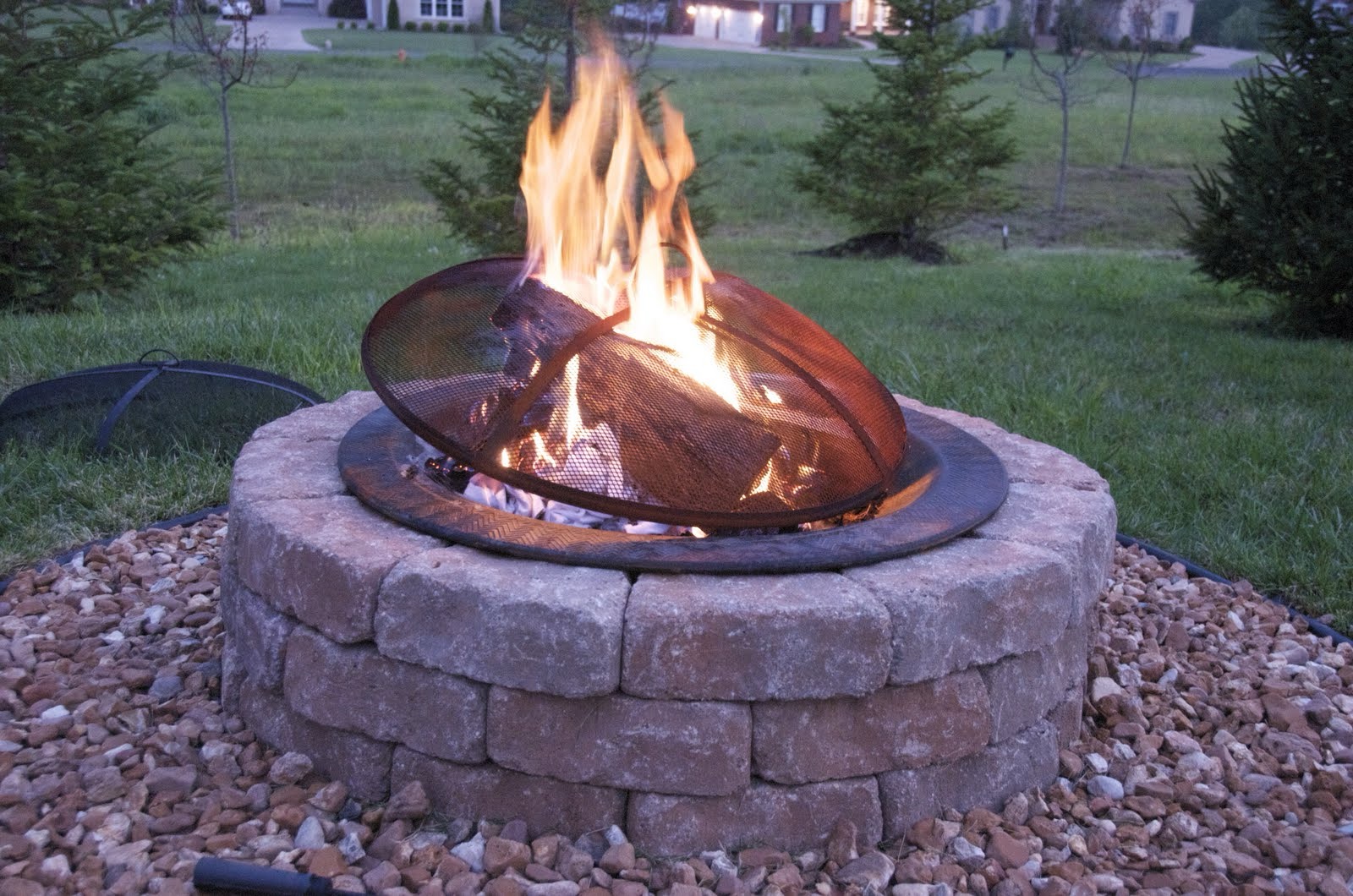
  • Firewood: Once dried, the trunk can be cut into smaller logs and used as firewood for outdoor fire pits or wood stoves. Pinewood burns quickly and is great for kindling, but be cautious not to burn it indoors due to the potential for creosote buildup.

  • Bonfire Material: The branches and needles can be used to start a backyard bonfire, providing warmth and ambiance during cold evenings or post holiday gatherings.
For Animals

  • Goat Feed: Some farms accept old Christmas trees for goat feed, as the pine needles are a nutritious treat. Just make sure the tree has not been treated with chemicals or pesticides.
  • Animal Bedding: Shredded branches and pine needles make great bedding for chickens or small pets. The natural material helps insulate outdoor enclosures during the winter months. By recycling your tree, you extend its usefulness and make a positive impact on the environment.

Sunday, October 26, 2025

Pumpkin Rescue: Creative Ways to Reuse or Recycle!


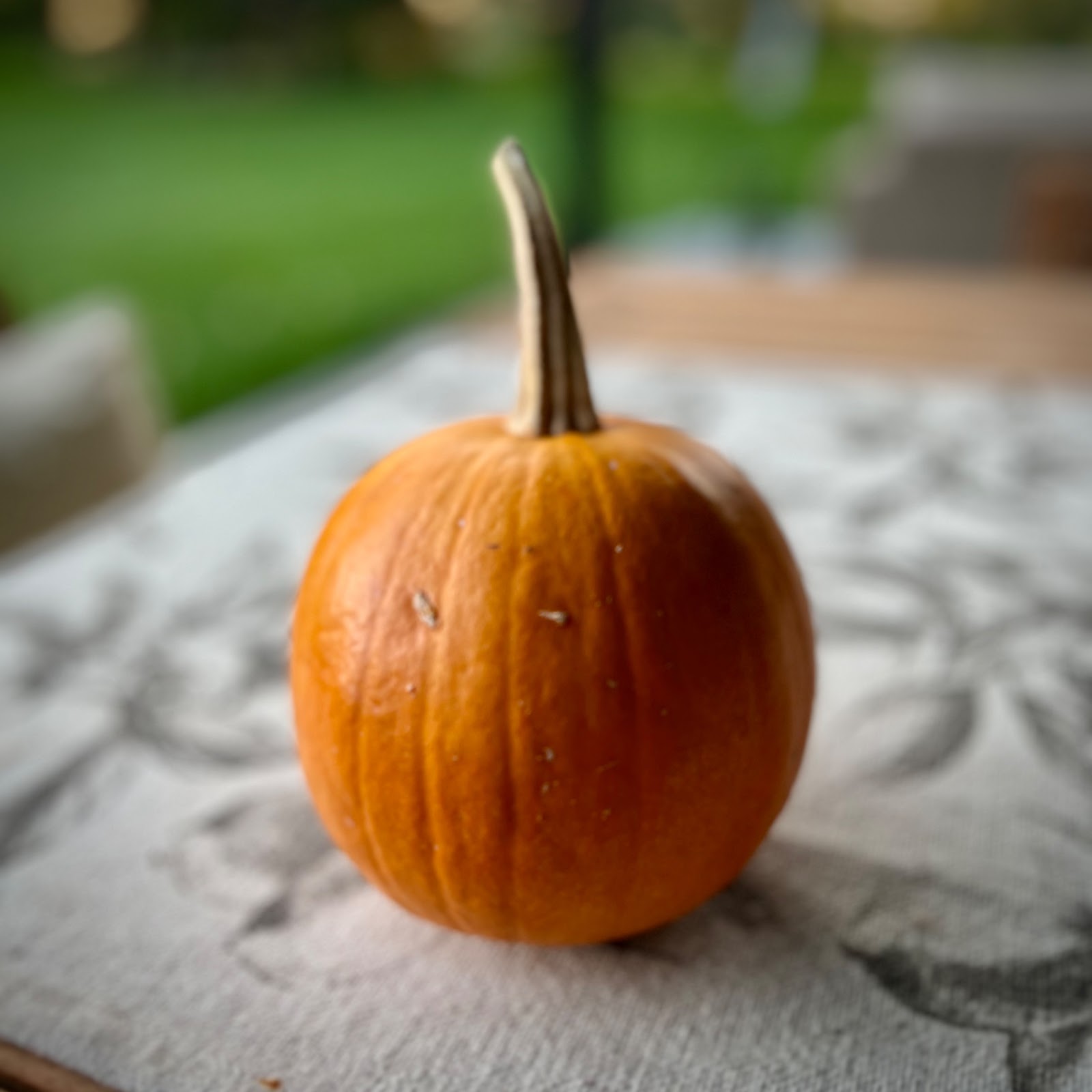
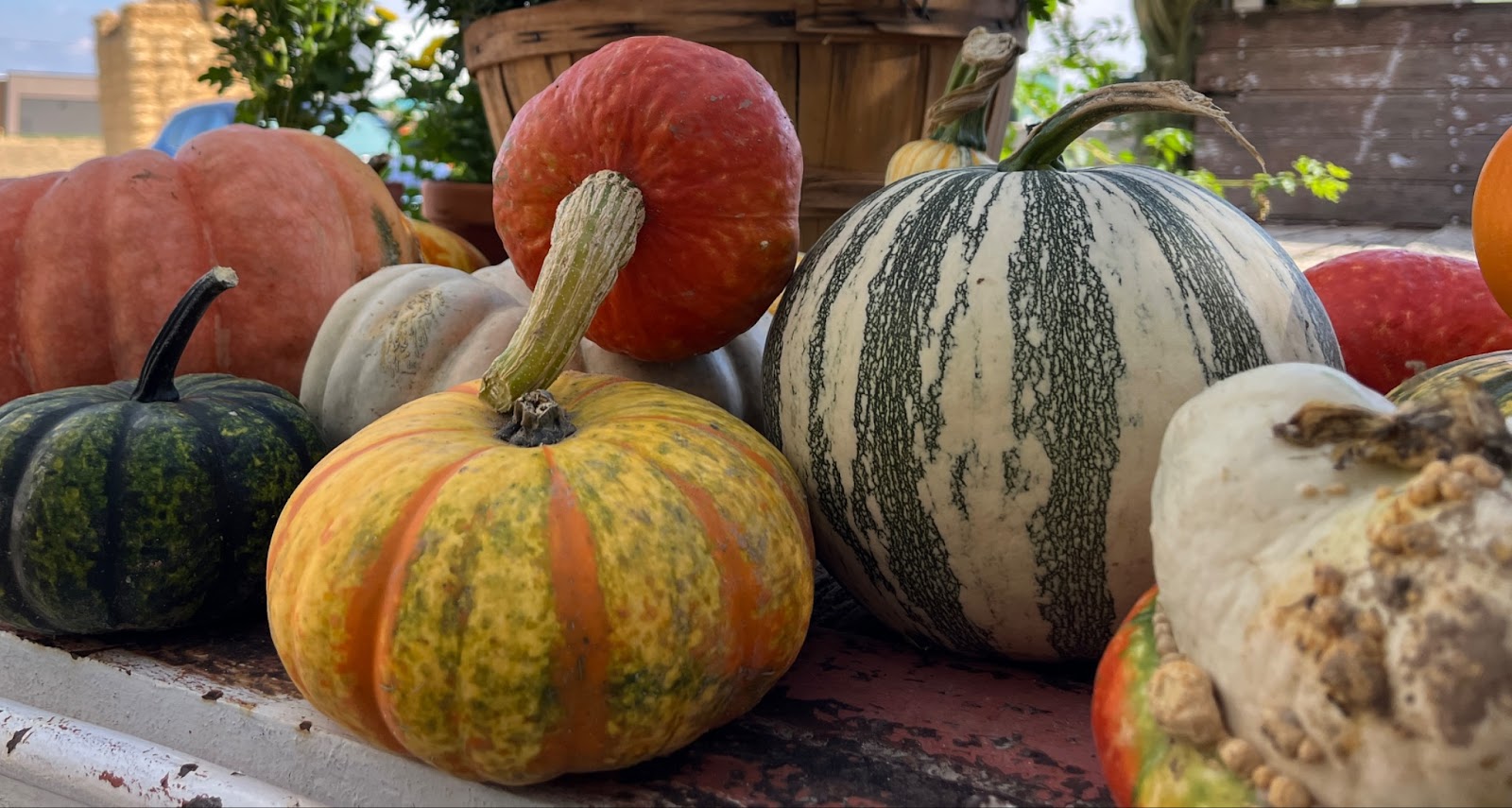
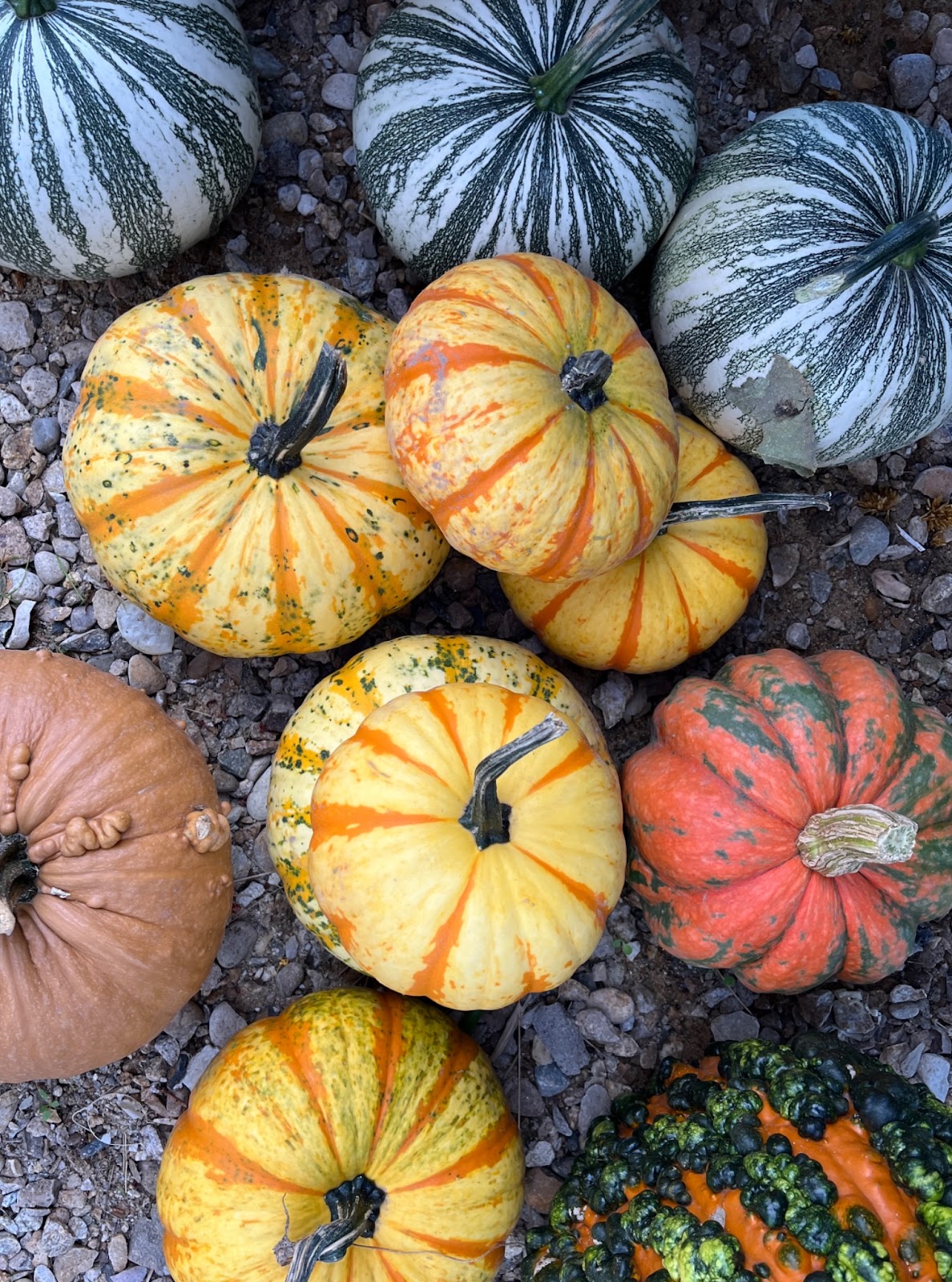
As Halloween and fall come to a close, many of us are left with an abundance of leftover pumpkins and seasonal decorations. Rather than
throwing them away, consider innovative ways to preserve what you can eat and give the rest a new purpose. Here are some clever ideas that not only help reduce waste but also dispel common pumpkin myths along the way.

Preserve What You Can Eat

One of the most rewarding ways to utilize your pumpkins is by preserving them for future meals. Fresh pumpkin can be roasted, pureed, or made into soups, pies, and other delicious dishes. If you have leftover pumpkin flesh, consider freezing it in portions. Just scoop out the insides, blend, and store in airtight containers or freezer bags.

However, be cautious: only use pumpkins that are fresh and free from mold or decay. Moldy or unsafe pumpkins can pose health risks, so ensure that any pumpkin you plan to eat is in good condition before using it.


Composting Fun

If you have leftover pumpkins that are no longer fit for consumption, composting is an excellent option. Pumpkins are biodegradable and rich in nutrients that can enhance your garden soil. Simply chop them into smaller pieces to expedite the composting process. Myth alert: Many people worry that adding pumpkins to compost will attract pests. In reality, balancing your compost with greens and browns can help prevent pest issues while creating nutrient-rich soil.

Feed Our Animal Friends

Consider donating your pumpkins to local farms or animal sanctuaries. Pigs, goats, and chickens relish pumpkin as a tasty and nutritious treat. Myth buster: There’s a common misconception that feeding animals pumpkin will make them sick. However, as long as the pumpkins are fresh and mold-free, they can be a healthy snack for livestock.


Get Crafty

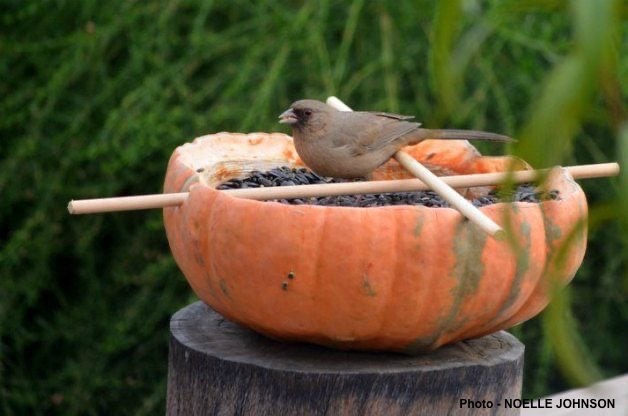
Before you toss out your seasonal decor, think about how you can upcycle those pumpkins! Transform them into charming planters, candle holders, or fun bird feeders. Hollow out the pumpkins, carve a design, and fill them with soil and seeds. Myth-buster: Some believe that you can’t plant pumpkin seeds after Halloween. Not true! You can clean and dry the seeds from your pumpkins and plant them next year.

Recycling

Boise residents are encouraged to place their pumpkins in their compost carts this season. The city’s Compost Facility appreciates pumpkins during this time, as the extra moisture and nutrients help break down leaves. Check with your local waste management or agricultural offices for recycling efforts available in your area.

Natural Decorations

To maintain the cozy fall ambiance, consider using natural decorations like dried flowers or pinecones that can also be composted later. These elements enhance your home’s warmth without adding to landfill waste. 

By embracing these creative solutions for leftover pumpkins and fall decor, you not only reduce waste but also enhance your culinary and gardening experiences. So, before you toss that pumpkin, remember: every gourd deserves a second chance!

Friday, December 20, 2024

Repurposing Christmas Trees: A Creative Guide

After the holiday season, many of us are left wondering what to do with our Christmas trees. Why not repurpose them for a variety of practical and creative uses? From enriching your garden to providing habitat for wildlife, your tree can have many new lives after the holidays are over. Repurposing your tree helps reduce waste, benefits the environment, and can even add some unique touches to your garden.

For the Garden

  • Mulch: Shred the tree’s branches and trunk into mulch to spread around trees, shrubs, and garden beds. Pine needles are an excellent mulch because they decompose slowly, helping retain moisture in the soil and reducing weeds.

  • Erosion Control: If you have bare slopes or areas prone to runoff, use the branches to prevent erosion. The tree’s structure helps hold the soil in place, especially during heavy rains.

  • Wildlife Habitat: Consider leaving the tree whole in your yard. It can provide valuable shelter for birds, squirrels, and other small animals during the winter months. For added benefit, place birdhouses or feeders nearby.

Craft Projects

  • Woodworking: The trunk can be repurposed into practical or decorative items. Use it to create small furniture pieces like stools, benches, or even simple garden markers. For smaller pieces, you can carve the wood into candle holders, picture frames, or other craft projects.

  • Bird Feeders: Coat pinecones with peanut butter and roll them in birdseed, then hang them on the tree’s branches. This makes an easy and natural bird feeder that attracts local wildlife. Plus, it’s a great way to reuse pinecones, which might otherwise go to waste.

Composting


  • Compost Bin: After cutting the tree into smaller pieces, add it to your compost pile. The wood, branches, and needles are rich in carbon, which helps balance the nitrogen in food scraps and accelerates decomposition. This is a natural way to enrich your soil for the next gardening season.

Community Use

  • Recycling Programs: Many communities offer Christmas tree recycling, turning trees into wood chips or mulch for public parks and landscaping projects. Look for local recycling programs, which are a simple way to give your tree a second life.

  • Fish Habitats: In some areas, trees are submerged in lakes or ponds to provide shelter for fish and other aquatic species. Wildlife and conservation groups often organize these efforts, turning old trees into valuable habitats for marine life.

Use as Firewood

  • Firewood: Once dried, the trunk can be cut into smaller logs and used as firewood for outdoor fire pits or wood stoves. Pinewood burns quickly and is great for kindling, but be cautious not to burn it indoors due to the potential for creosote buildup.

  • Bonfire Material: The branches and needles can be used to start a backyard bonfire, providing warmth and ambiance during cold evenings or post holiday gatherings.

For Animals

  • Goat Feed: Some farms accept old Christmas trees for goat feed, as the pine needles are a nutritious treat. Just make sure the tree has not been treated with chemicals or pesticides.
  • Animal Bedding: Shredded branches and pine needles make great bedding for chickens or small pets. The natural material helps insulate outdoor enclosures during the winter months. By recycling your tree, you extend its usefulness and make a positive impact on the environment.