| (Convolvulus arvensis, origins from Eurasia) |
Biological- The bindweed mite, Aceria malherbae, is a microscopic mite that feeds on field bindweed. This process is being tried but takes years to see results.
| (Convolvulus arvensis, origins from Eurasia) |
Biological- The bindweed mite, Aceria malherbae, is a microscopic mite that feeds on field bindweed. This process is being tried but takes years to see results.
Chamomile (Chamaemelum nobile): (Buds are used for
tea.) From June to August, the tiny, delicate daisies of chamomile are a
wonderful perennial addition to any garden scape. Hardy to Zone 3, and loving
light, dry soil, chamomile is fairly easy to grow. Two of the most common
chamomiles used for tea are German chamomile (Matricaria recutita)
and Roman chamomile (Chamaemelum nobile). Fresh chamomile buds can be
combined with boiling water, apple slices, and a bit of honey for a calming,
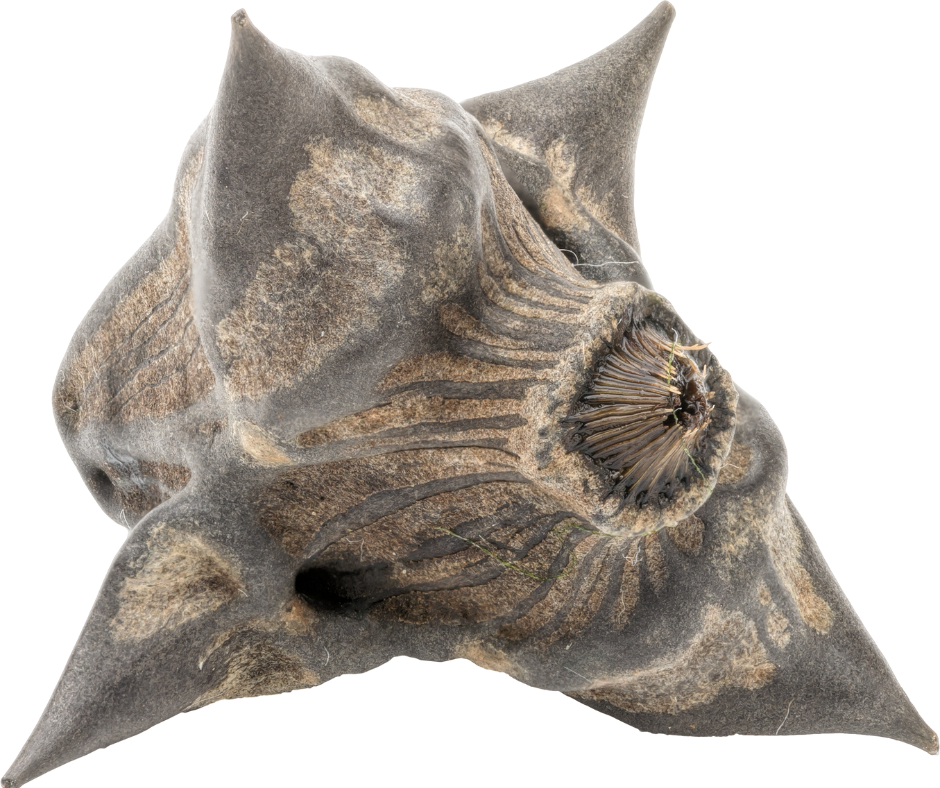
warm hug on those crisp fall evenings.Puncturevine or goathead (Tribulus terrestris) is a very challenging weed that is also known as Caltrop, Tack Weed, Bull Head, Cat Head, and Mexican Sand Burr. As foreboding as these names sound, the reality is even more sinister because they are difficult to live with and challenging to kill. This is because goathead plants like to stay very low to the ground where they can escape the wrath of lawnmowers, weed-whackers, and bush-cutters, so they often get the opportunity to mature and form their terrible seed heads. What’s worse is that each plant can produce several hundred to several thousand stealthy, strong, and sharp caltrop-like burs that have the potential to seriously injure people, animals, and even thin-walled pneumatic tires (like bicycle tires). The good news (if there is any) is that they also produce small, yellow, bee-foraged flowers that serve as a subtle warning.
HOW DID IT GET THERE?
WHERE DOES IT THRIVE?
Goatheads love to take root along railways, roadsides, walkways, residential
properties, cultivated fields, and other disturbed places. It thrives in hot,
dry, sandy soils; but will also grow in most other soils too. The plants don’t
generally survive freezing temperatures, but the seeds survive almost any
condition.
HOW CAN YOU GET RID OF IT?
Long-term control of
puncturevine can be achieved by reducing the number of seeds in the soil. By
removing plants before they produce seeds (flowering) over several years, the
plants will eventually go away. Burrs that have dropped after removal will need
to be collected by sweeping the ground or patting the ground with a piece of
carpet to collect the burrs. Be sure to also check places where shoes are stored
and remove any burrs that may have stuck to the soles.
Puncturevine can be killed with chemicals. Always read
the instructions carefully to ensure you are being safe, applying at times that
won’t affect pollinators, and that you don’t accidentally kill neighboring
plants.
You can also introduce your goathead plants to their
natural predators: the Puncturevine Seed Weevil (Microlarinus Lareynii) and/or
the Puncture Vine Stem Weevil (Microlarinus Lypriformis). The larvae of
these two species will bore into the seeds and destroy them.
WAIT… IS THERE ANYTHING GOOD ABOUT GOAT HEADS?
Goatheads make a fantastic organic deterrent against bare-footed or
bicycle-bound bandits. Just plant Puncturevine in the form of a natural
barrier; or, if you happen to be on the run, simply toss a handful of goatheads in the suspected path of bandit travel and your problems should be
solved in short order – unless, of course, you are dealing with
boot-wearing bandits!
Best of luck keeping your head as you attempt to remove goatheads!
Inspection areas:
Check the spark plug - Always ensure that the spark plug is clean and gapped correctly.It’s warming up so we are all watering our lawns. With the warm weather and water, come those irritating and possibly disease infested mosquitoes.
What do mosquitoes have to do with yards? When you over water your lawn the earth beneath doesn’t dry out and creates a perfect mosquito habitat. There are certain species of mosquito that will lay eggs in the damp mud and the next time your water comes on; the water sits on top of the earth for a period of time that allows the mosquito eggs to hatch. On warm days it doesn’t take very long for a mosquito to go from egg, larvae, pupae to adult. Once the female adult mosquito hatches, it looks for a blood meal. Yep, you and your family!Another problem is the water filling up buckets, flower pots, wheel barrows or other items left outside. This water then sits, heats up and then becomes stagnant. Female Culex species of mosquito love to lay their eggs in this water. This species can carry West Nile Virus and transmit it to you and your family with one bite.
You can help keep your family safe by making sure you are watering your yard properly, and that your sprinklers are only watering the things they should be and that they are not leaving puddles below the heads. | Beautiful blueberries ready to pick |
Pruning, Maintenance and Fertilizer
2 teaspoons cornstarch
Black Spot