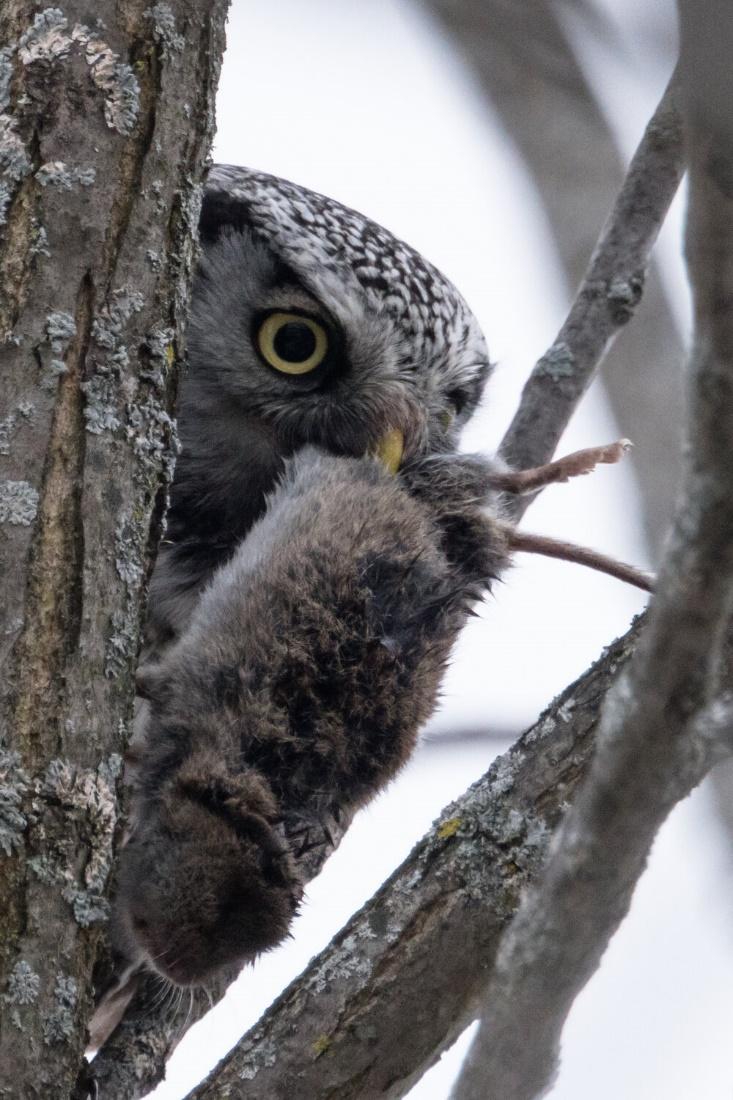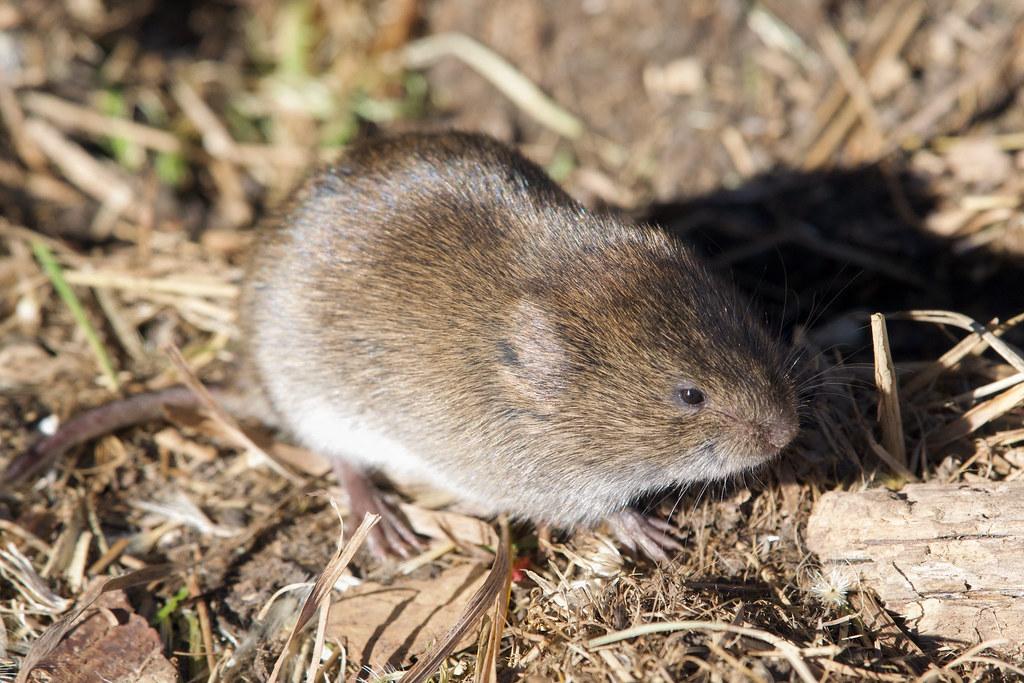
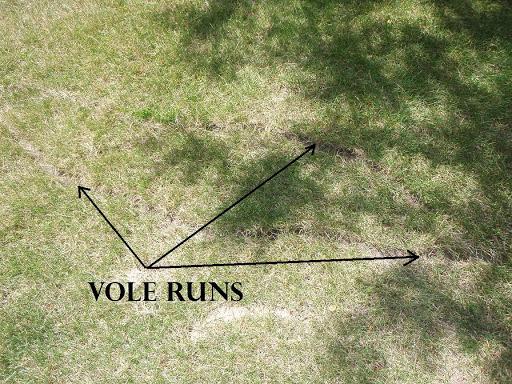
If you have turf, fruit trees, a home garden, grow crops commercially, and generally care about your landscape, you should be alert for the presence of voles. They are herbivorous and feed on grasses, bulbs, tubers, tree bark, and tree roots. They are active year-round, day and night. A sure sign of voles “occupying an area” is their runways that connect numerous shallow borrows. They don’t like to be seen and make their nest underground in dense vegetation and grasses and under snow in the winter.
Sunday, June 7, 2020
Voles, friend or nuisance?
If you have turf, fruit trees, a home garden, grow crops commercially, and generally care about your landscape, you should be alert for the presence of voles. They are herbivorous and feed on grasses, bulbs, tubers, tree bark, and tree roots. They are active year-round, day and night. A sure sign of voles “occupying an area” is their runways that connect numerous shallow borrows. They don’t like to be seen and make their nest underground in dense vegetation and grasses and under snow in the winter.
Wednesday, June 3, 2020
Succulent Gardens - Indoors and Out!
What is it about succulents? They are easy to grow indoors and outdoors, drought resistant, and there are so many varieties!
Plan your garden before you go shopping. There are many online resources, videos, and book resources to help you get started. Essential Succulents: The Beginner's Guide by Ken Self is a great read!
Design options are unlimited. Think about color, size and scale, shape, texture, and context. There are wreaths, containers, and even wall gardens. Look for plants with good color and shape, no dead leaves, and free of insects. Zone 6 succulents include, among others, Hardy Ice Plant, Pig’s Ear, Cape Blanco Stonecrop, and Houseleek. Others can be planted or arranged in pots in your design and then moved indoors in the colder months. When moving them indoors, avoid extreme changes in temperature.
Now DIY planting can begin. Be gentle because the roots are fragile, and don’t
plant them too deep. Use soil that drains well. Outdoors you may need to add succulent soil, pumice, vermiculite or sand to your existing soil. Keep watering to a minimum, once per week or less, to avoid root rot. Here's a few more tips and a reference sheet:- Over-watered plants start to droop and indentations are left in the leaves when touched.
- Succulents like the sun, but some can get sunburned so plan for those plants too.
- Maintenance includes cleaning up the dead leaves, watching for bugs, and pulling weeds.
- Fertilization can be done on a monthly basis during the growing period. Follow the label instructions.
- Propagation is done with a stem cutting and best done in the spring after the dormant period.
Sunday, May 17, 2020
Edible Flowers and Herbs
![]() |
| Drying Herbs |
|
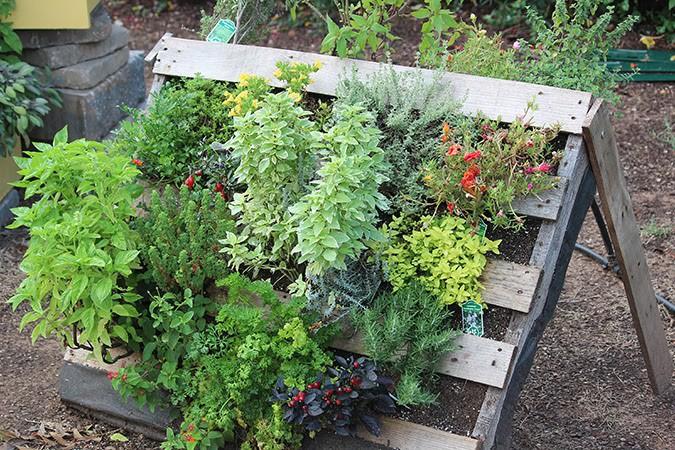
| Herb Garden |
Herbs for Idaho Gardens » Idaho Landscapes and Gardens
Common herbs: basil, dill, cilantro, chives, thyme, sage
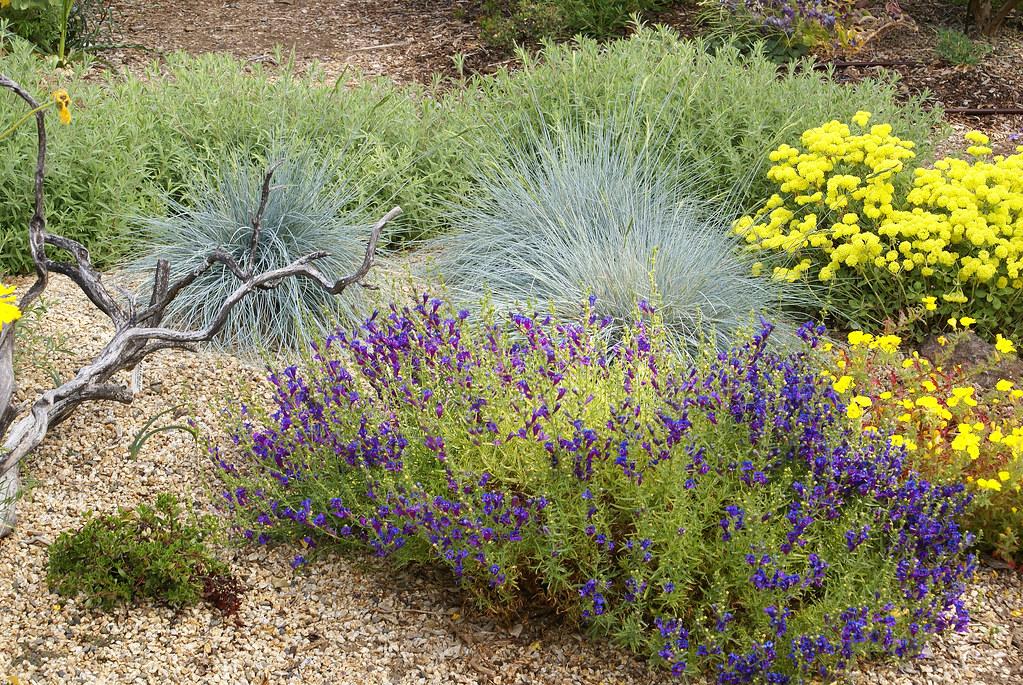
Uncommon herbs: savory, comfrey, borage
Bon Appetit!
Sunday, May 10, 2020
Peach Leaf Curl

How Peach Leaf Curl infects and is transmitted: The fungus overwinters on the buds and twigs of the host tree. Germination of the spores begins in spring and is dependent on rainfall. Frequent periods of rain in spring, as peach and nectarine buds are opening will lead to the infection as the fungus is already present. When rain does not occur little to no infection will occur. Spring temperatures of 40 to 65 F and .5 inches of rain fall or more are the perfect combination for Peach Leaf Curl fungus to be formed and carried to other trees by wind. The infection only occurs on new leaf and bud production. If left untreated new spores will remain on the buds and spread to twigs and branches. The cycle will repeat itself the following spring.
You will want
to avoid excessive fertilizer and be sure to water trees correctly throughout
each season. If there is a drought be
sure to water your trees to be sure they do not get stressed. Be sure not to over water if you have
excessive rainfall. One will want to water approximately 2 to 3 times per week
depending on the rain and temperate in order to penetrate the soil down to 10
inches. Fungicides are available to treat Peach Leaf Curl however, timing is
very important. When the tree is dormant in late fall or early spring before
buds swell is the time to apply. Be sure
to read the label completely prior to any application. The fungicide you
purchase should be labeled for use on edible fruit. Peach leaf curl can be prevented
by purchasing resistant varieties. Thursday, April 23, 2020
Native Landscaping in Idaho
Information on landscaping with native plants can be found at University of Idaho’s College of Agriculture and Life Sciences website.
Information on how your native landscape is helping provide wildlife with habitat visit Washington State University’s website.Sunday, April 19, 2020
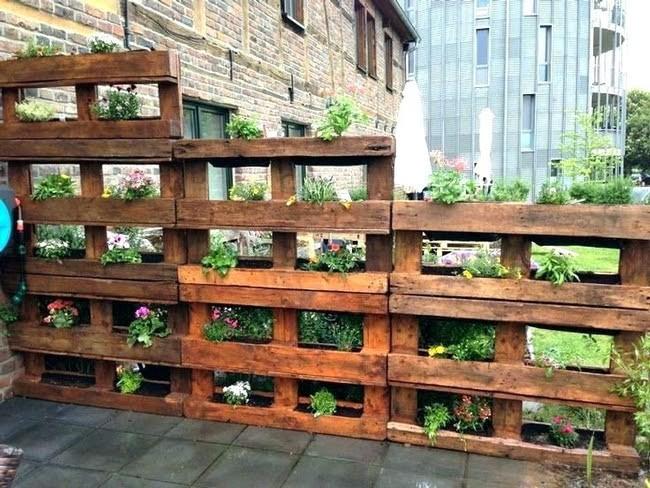
Vertical Gardening with Pallets
- use your space more efficiently
- conserve water
- decrease insects and disease
- reduce the need to weed
- eliminate back pain by decreasing bending which is easier on your back, knees, and hips
- Lay your pallet down horizontally, and use a staple gun to adhere landscape fabric to the pallet.
- Once you have 3 sides done, fill the pallet with potting soil. Press potting soil down firmly.
- Staple the last landscape fabric to the front of the pallet.
- Transfer your plants while the pallet is still lying flat. It is a good idea to leave the pallet laying horizontally for 1-2 weeks to allow the young plants to take root.
- When watering, start at the top and water each section a little less because the water will seep downward to the bottom of the pallet. Water frequently as plants will dry out quickly.
- Fertilize your plants, as recommended specific to your plants, to provide them the nutrients they need to grow.
Sunday, April 12, 2020
I WANT A FRUIT TREE. NOW WHAT?
- Climate zone,
- Soil type and pH,
- Location and surrounding landscaping,
- Drainage,
- Overhead restrictions (power lines, other trees, shading),
- Width restrictions (fences, buildings, property lines),
- Underground restrictions (sewer/power/telephone lines, septic tanks or drain fields, layers of poor soil, wells),
- Irrigation and fertilizing,
- Time needed for tree care,
- Pruning,
- Harvesting,
- Spraying.
The Pacific Northwest Handbooks publication EC 819, Growing Tree Fruits and Nuts in the Home Orchard
The Treasure Valley is Area II in this publication.
- Choose a reliable nursery with appropriate stock selected for this area,
- Choice of fruit,
- Varieties of chosen fruit that grow best in this region,
- Dwarf or semi-dwarf root stock,
- Bare root, ball and burlap (B&B), or containerized stock,
- Need of a pollinator or self-pollinator,
- Blooming and harvest times,
- Pests – insects, birds, or disease resistant.
- Training of tree branches,
- Thinning and pruning,
- Irrigation needs,
- Fertilization needs,
- Insect and disease control,
- Weed
- Rodent control.